Snow-covered Sint-Martens-Latem — History & Facts
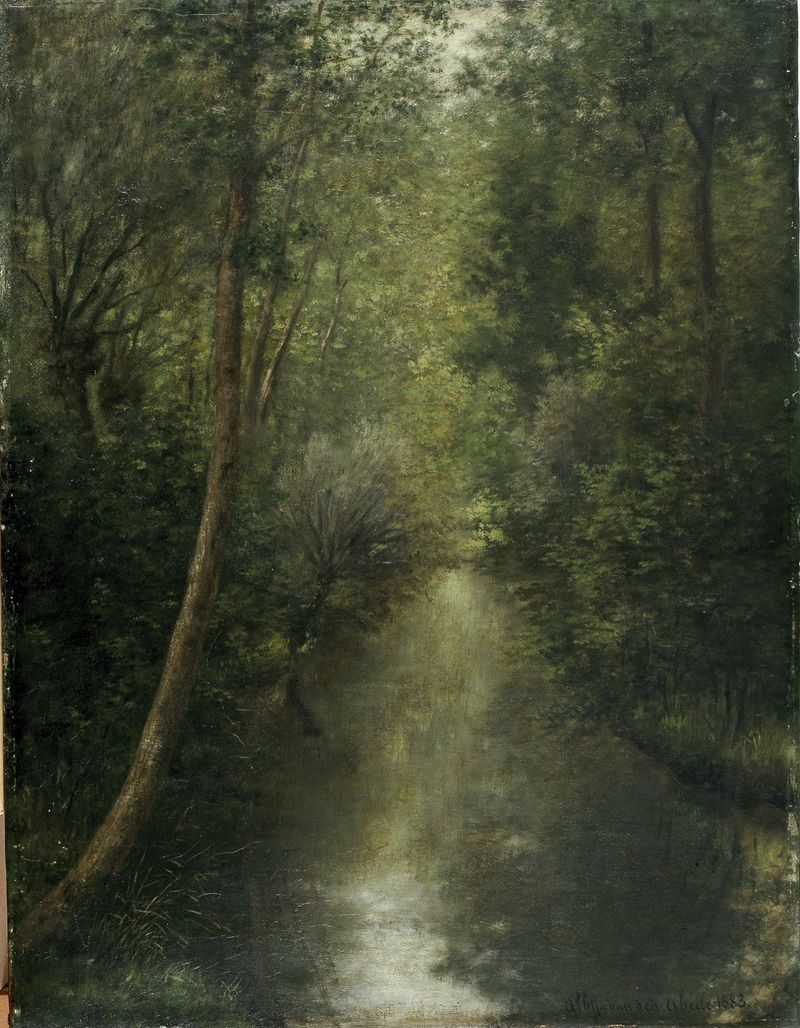
This transformation echoes in the serene yet poignant depiction of a winter landscape, where every flake of snow holds the weight of fleeting moments and the inevitability of change. Look closely at the foreground, where delicate snowdrifts contour the land, inviting the eye into a realm balanced between stillness and the whisper of movement. Notice how the icy palette of whites and pale blues creates a soft glow, contrasting the deeper, shadowy hues in the background. The gentle brushstrokes convey a sense of texture, giving life to the snowy blanket that glistens under the muted winter sun, while the trees stand stoic and bare, symbolizing both resilience and vulnerability. Beneath this tranquil facade lies a tension between beauty and mortality.
The delicate balance of life and death is palpable; the purity of the snow serves as a reminder of the fleeting nature of existence. Each tree, stripped of its leaves, evokes both loss and the promise of renewal. The quietude of the scene beckons reflection on the larger cycles of nature, evoking a sense of melancholy and hope entwined. In 1894, during a period of artistic exploration in Belgium, the painter created this evocative landscape amidst a burgeoning appreciation for Impressionism.
At this time, Van den Abeele was deeply influenced by the natural beauty surrounding Sint-Martens-Latem, a village that attracted artists seeking to capture the essence of rural life. His work encapsulates not only the aesthetic values of the time but also a contemplative approach to the themes of life, transition, and the impermanent beauty of the world.