The River Zwalm in Munkzwalm — History & Facts
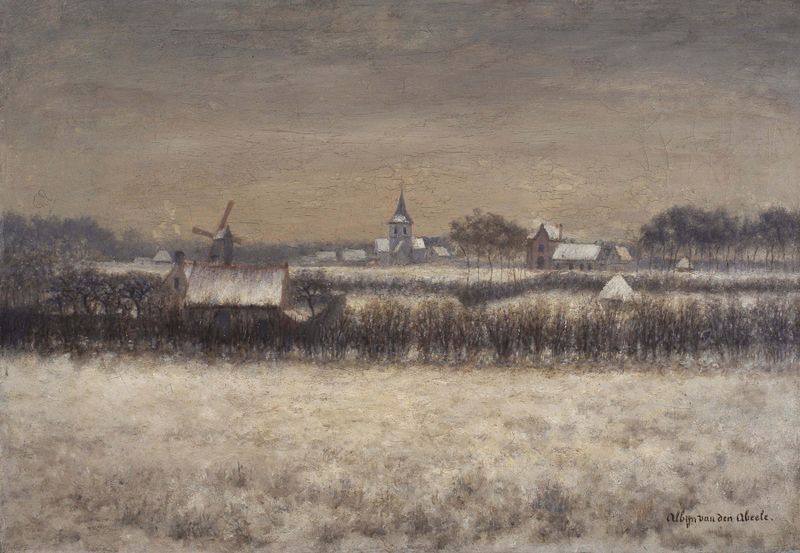
Could beauty survive in a century of chaos? This question hovers over the serene landscape painted by Albijn Van den Abeele, a testament to resilience amid tumultuous times. Focus on the gentle curve of the River Zwalm, shimmering with the soft light of a fading day. The water reflects a patchwork of greens and golds, inviting the viewer to trace its path as it meanders through the tranquil surroundings. Notice how the artist captures the delicate interplay of light and shadow; each brushstroke forms a poetic dialogue between the vibrant foliage and the quiet currents, creating a harmony that is both captivating and poignant. Yet, beneath this tranquil façade, there lies a tension that speaks to a deeper narrative.
The juxtaposition of the idyllic scene against the historical backdrop of the 1880s suggests a longing for peace amidst fears of betrayal and destruction. The serene surface of the river contrasts sharply with the uncertainty lurking beyond the frame, reminding us that even in beauty, there can be an undercurrent of unease. The looming trees, swaying in the breeze, whisper secrets of the past, hinting at stories lost to time. In 1883, Van den Abeele was immersed in the shifting currents of the Belgian art scene, grappling with the effects of modernity and industrialization.
Working in Munkzwalm, he sought to capture the essence of his homeland, creating a legacy of natural beauty against a backdrop of societal change. This painting stands as a quiet reflection of a world on the brink, where the artist's brush offers a momentary escape into serenity.