
Sognejakt — History & Facts
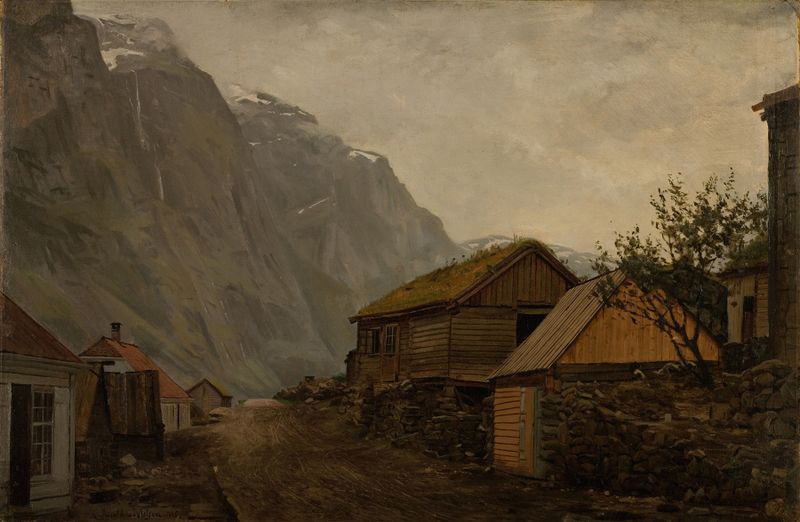
Can beauty exist without sorrow? In Sognejakt, the poignant interplay of light and shadow suggests that the two are irrevocably intertwined, each enhancing the other in the dance of existence. Focus on the vibrant hues that emerge from the foreground, where lush greenery meets the deep tones of a turbulent lake. The artist plays with the contrast between the serene landscape and the dynamic gestures of the figures, who are engaged in their hunt. Notice how the light glimmers on the water’s surface, reflecting the momentum of their movements while hinting at the underlying tensions of the scene – a life taken for sustenance, a moment of connection lost in nature’s vastness. In this artwork, the juxtaposition of vitality and melancholy becomes evident.
The hunters, steadfast yet vulnerable, embody a legacy of survival, their actions echoing the primal struggle between man and nature. The tranquil backdrop of the fjord stands in stark contrast to the energy of the figures, signaling a deeper emotional undercurrent that illustrates the duality of beauty and loss inherent in life’s pursuits. Each brushstroke seems to whisper tales of both triumph and regret, capturing the essence of human experience. Amaldus Nielsen painted Sognejakt in 1865 during a period of significant transition in Norway’s artistic landscape.
Influenced by the Romantic movement, he sought to merge realism with the sublime beauty of his homeland. The work reflects a time when Norway was asserting its cultural identity amidst burgeoning nationalism, while Nielsen himself was refining his style, embracing the natural landscapes that would come to define his legacy in art.
More Artworks by Amaldus Nielsen
Browse all →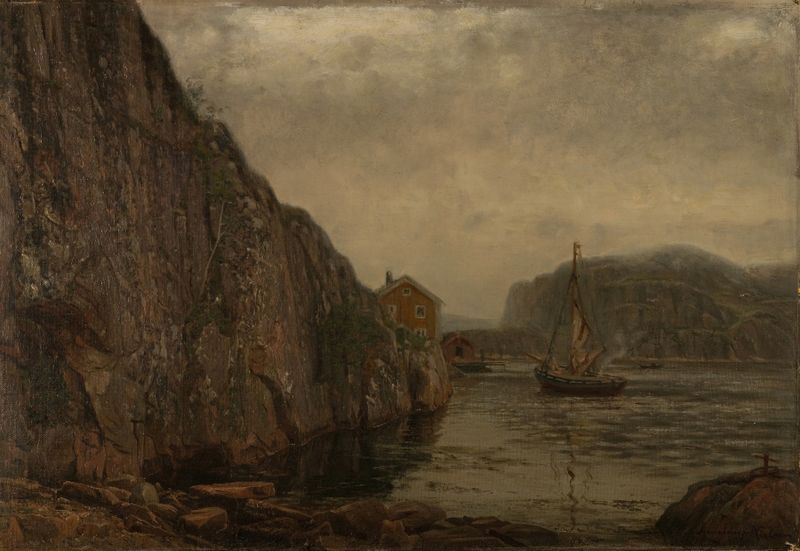
Skjærgård, Ny-Hellesund
Amaldus Nielsen
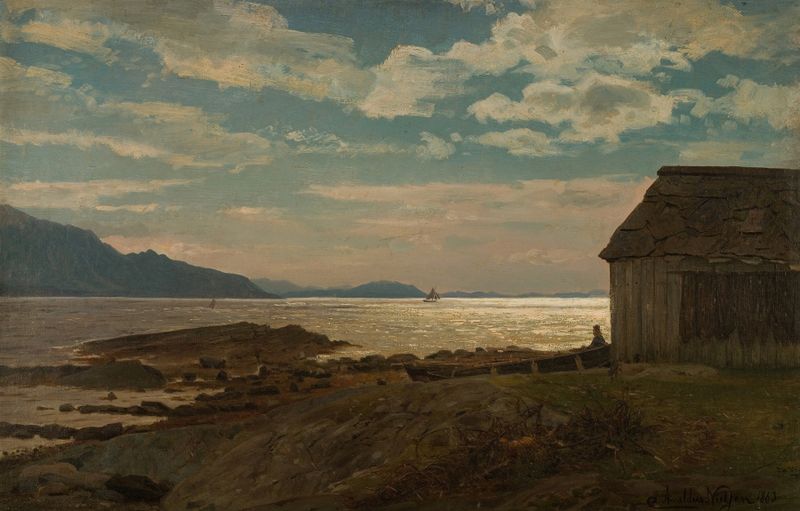
Fra Ølvestranden, Hardanger
Amaldus Nielsen
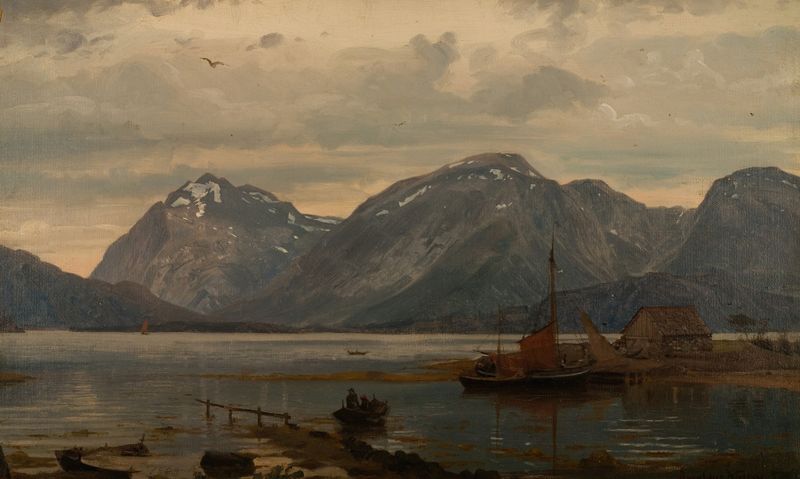
Fra Englafjellene, Hardanger
Amaldus Nielsen
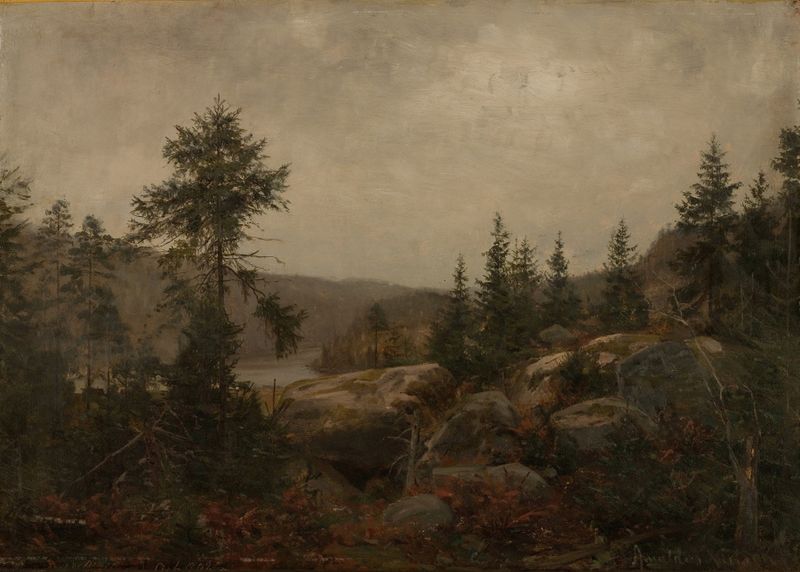
Duskregn . Gården Foss, Mandalselven
Amaldus Nielsen
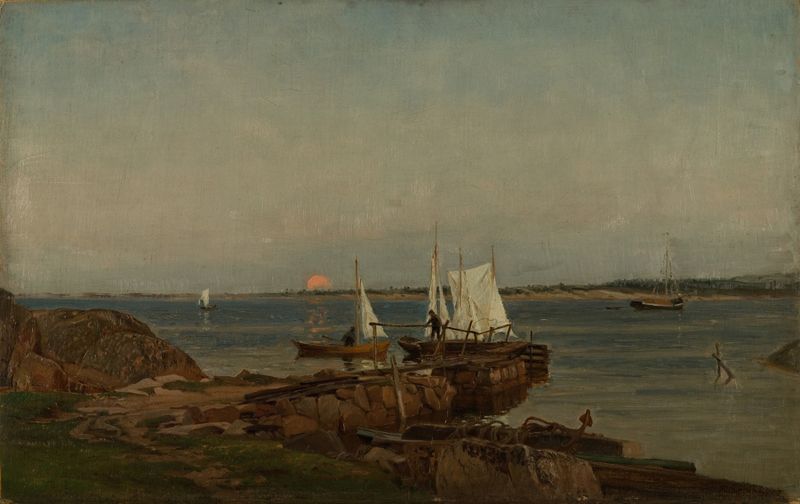
Sommernatt, Hvaler
Amaldus Nielsen
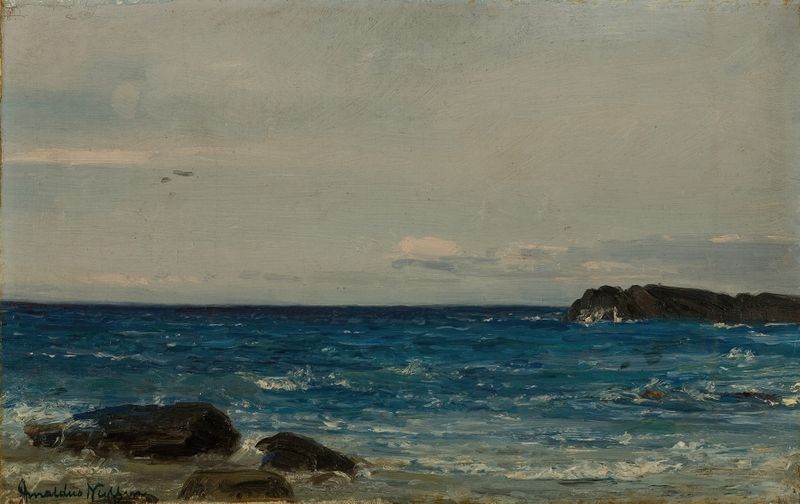
Fra Jæren
Amaldus Nielsen
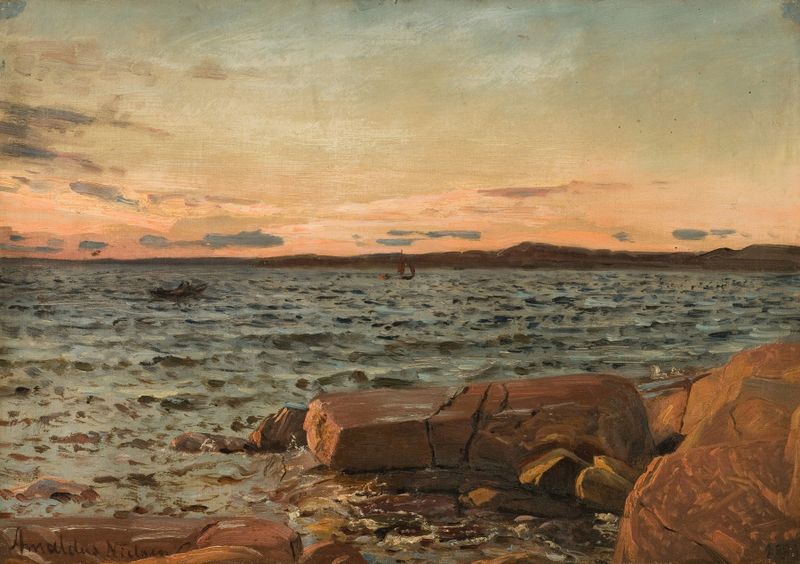
Solgangsvind, Hvaløene
Amaldus Nielsen
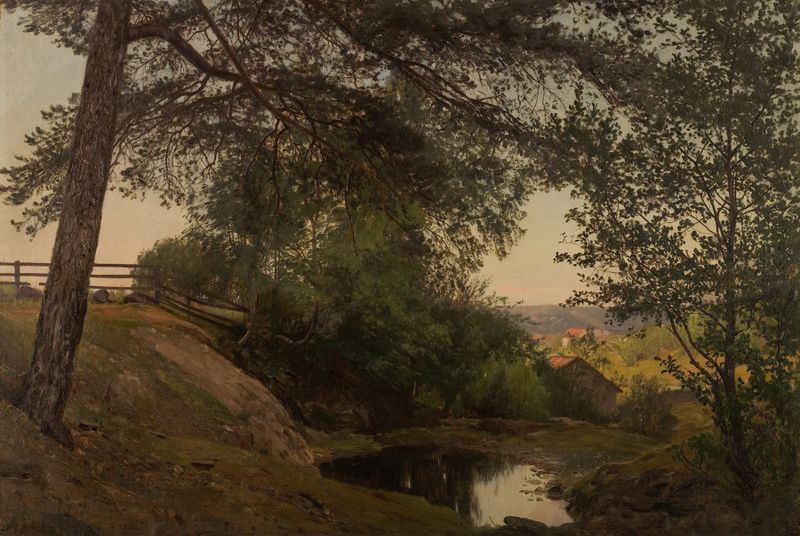
Mellom trærne. Lervik, Stord
Amaldus Nielsen

Båtbyggeri, Lillesand
Amaldus Nielsen
Regnstemning, Gudvangen
Amaldus Nielsen





