
Soleil d’hiver à Veneux-Nadon — History & Facts
Can beauty exist without sorrow? In Soleil d’hiver à Veneux-Nadon, the stillness of a winter landscape invites contemplation, whispering of both solitude and serenity. Look to the center of the canvas where the soft light bathes the snow-covered ground, creating a luminous expanse that draws the eye into the depths of the scene. Notice how the delicate brushstrokes capture the gentle slopes and subtle contours of the land, each stroke echoing the quietude of a winter day. The muted palette of whites, blues, and browns evokes a sense of calm, while the bare trees, reaching toward the sky, stand in silent vigilance—a reminder of the starkness of nature in the colder months. Amidst the peacefulness lies an undercurrent of loneliness, as the absence of human presence speaks volumes.
The starkness of the leafless trees contrasts with the warmth of the sunlight, creating a tension that suggests both the beauty of isolation and the ache of longing. The expanse of shimmering snow, while captivating, also conveys a sense of emptiness, prompting reflections on the transient nature of beauty and the ephemeral quality of life itself. Alfred Sisley created this evocative piece in 1879 while living in France, amid the Impressionist movement that sought to capture fleeting moments of light and atmosphere. At this time, he was finding his voice within a group that emphasized the beauty of everyday scenes, settling in Veneux-Nadon, where the picturesque landscapes inspired his work.
The painting exemplifies his dedication to portraying nature's tranquility, imbuing it with an emotional resonance that continues to speak to viewers today.
More Artworks by Alfred Sisley
Browse all →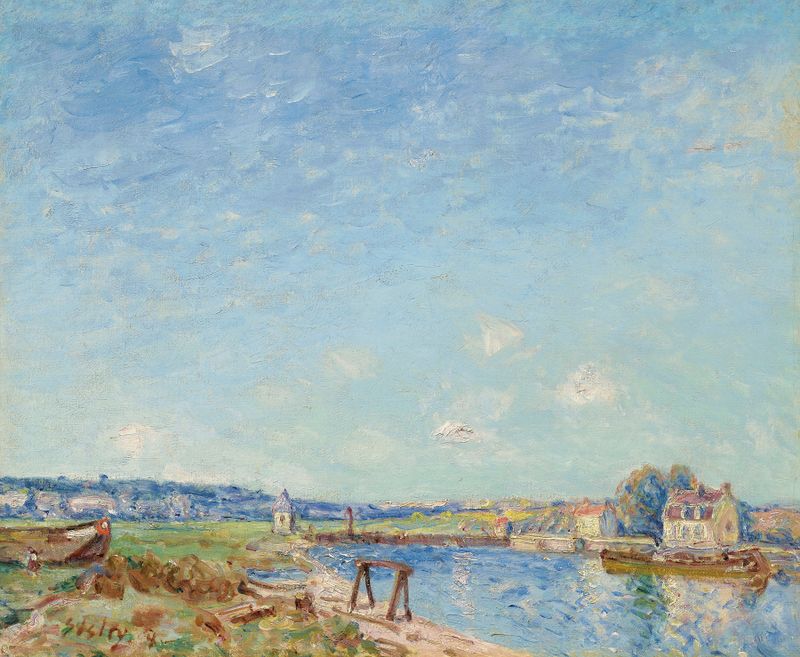
Le Loing à Saint-Mammès
Alfred Sisley
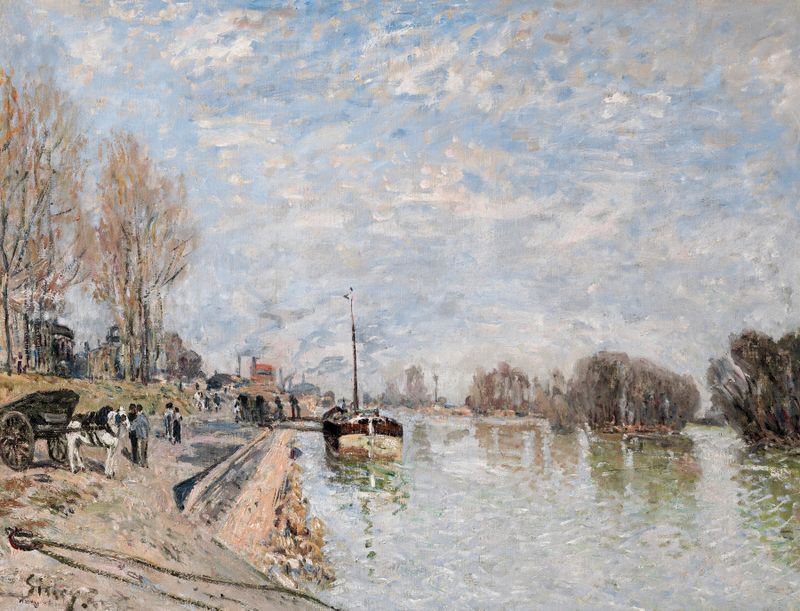
La Seine à Suresnes
Alfred Sisley
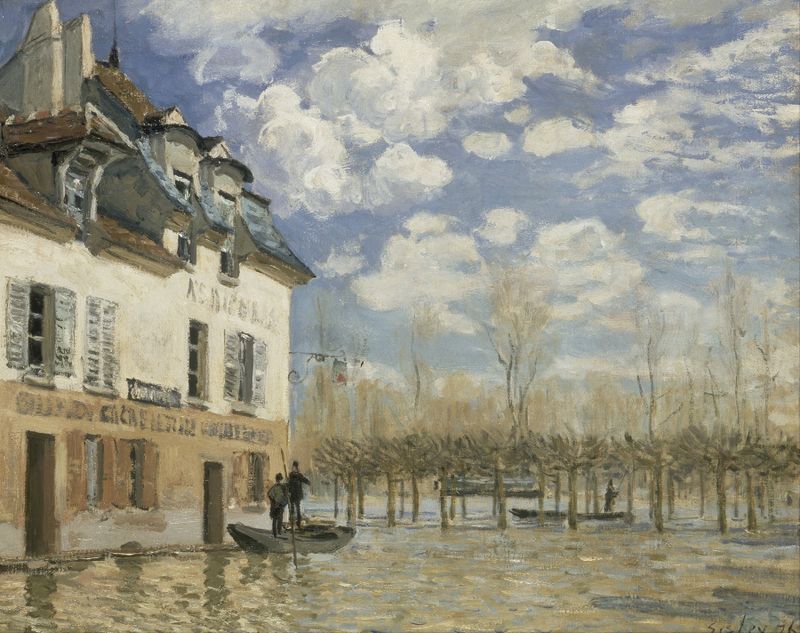
Boat in the Flood at Port Marly
Alfred Sisley
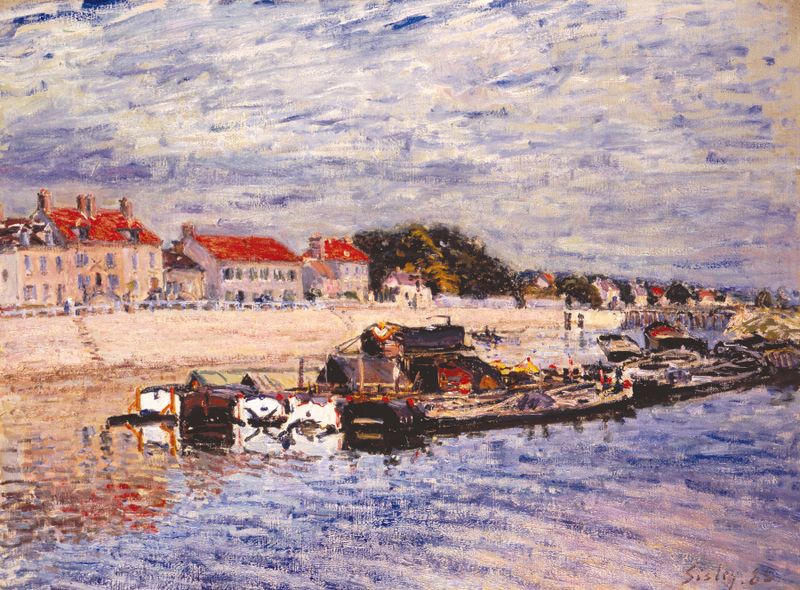
Barges on the Loing at Saint-Mammès
Alfred Sisley

L’allée des peupliers au bord du Loing
Alfred Sisley

Molesey Weir, Hampton Court
Alfred Sisley
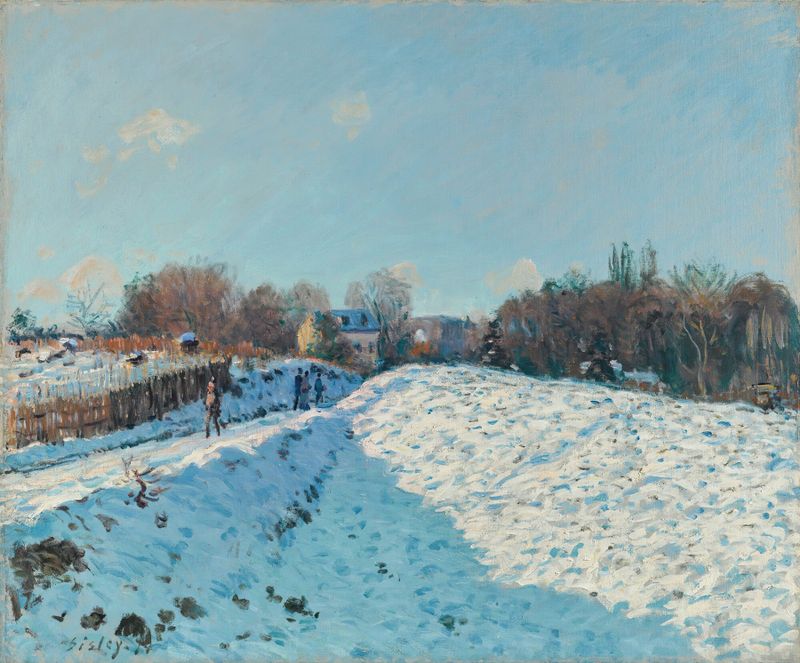
Effet De Neige À Louveciennes
Alfred Sisley
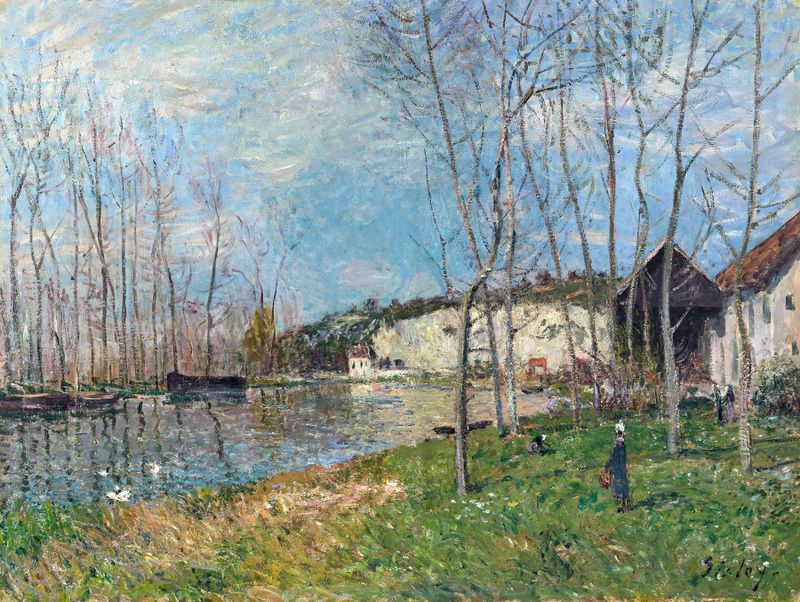
Printemps au bord du Loing
Alfred Sisley
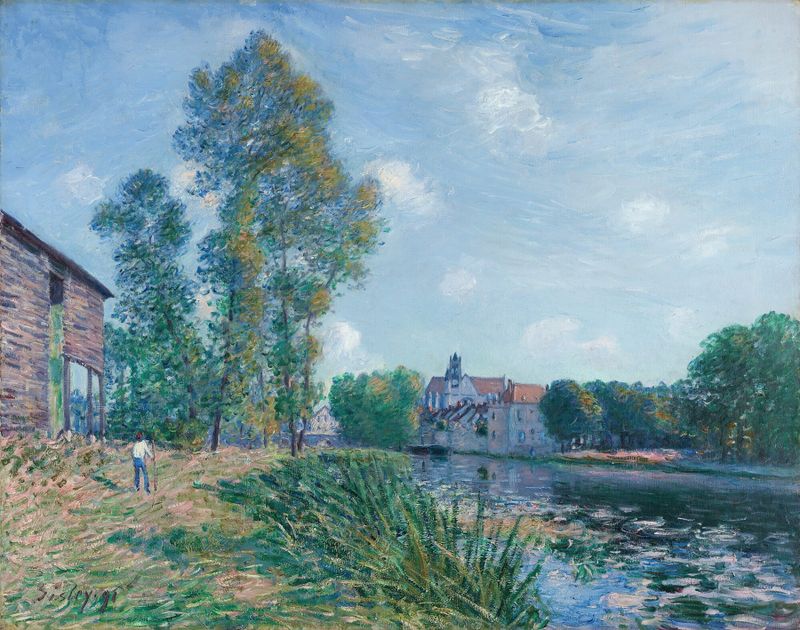
Le Loing À Moret, En Été
Alfred Sisley
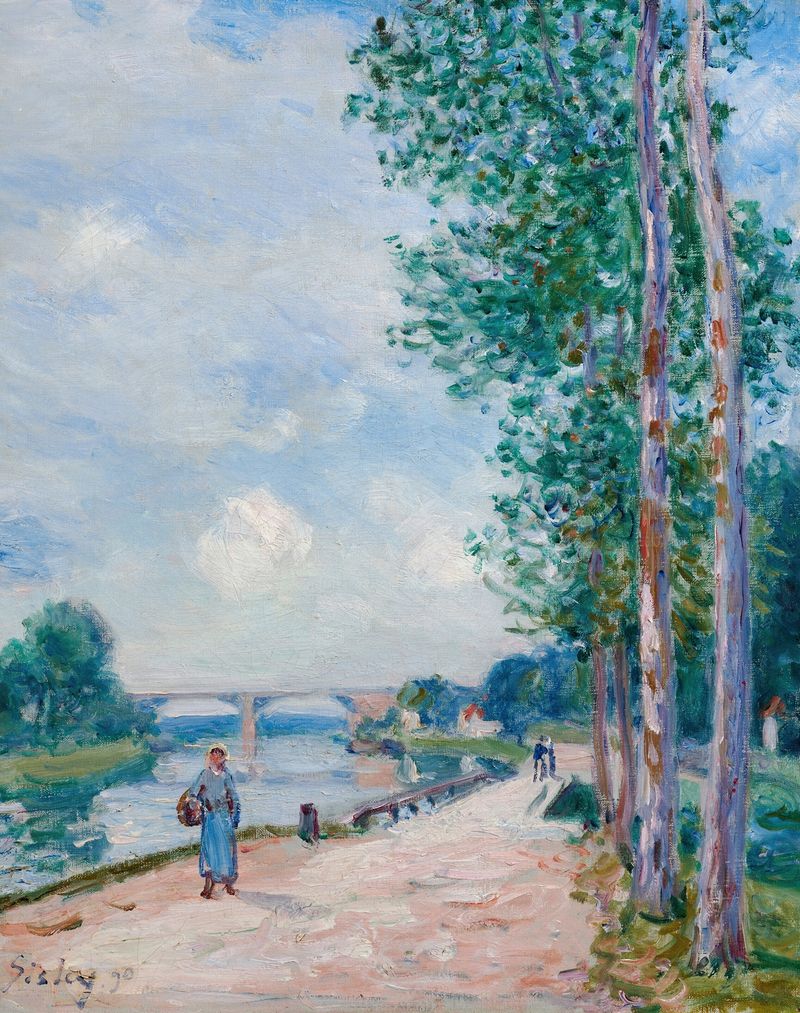
Les bords du Loing près de Moret
Alfred Sisley





