
Solitude — History & Facts
In the stillness of solitude, movement becomes a whisper, resonating through the heart of the viewer. Look to the center of the canvas, where a solitary figure stands amidst a sprawling landscape. The muted greens and browns are punctuated by the soft light that filters through the trees, creating a delicate interplay between shadow and illumination. Notice how the figure's posture, slightly hunched, suggests introspection and the weight of solitude, while the surrounding expanse amplifies the sense of isolation.
The brushwork is subtle yet deliberate, guiding the eye across the contours of the terrain, from the rocky path to the distant horizon, evoking a journey both physical and emotional. Beneath the surface, this artwork speaks to the dual nature of solitude—the comfort of being alone contrasted with an aching sense of yearning. The tree branches arch overhead like protective arms, yet they also confine the figure, symbolizing the dichotomy of solace and entrapment. Each blade of grass, each stone in the path, seems to pulse with a quiet energy, reminding us that even in stillness, life surrounds us, and movement exists in the heart’s quiet confessions. In 1818, during a period when Romanticism was flourishing, the artist created this piece while living in the United States, a time marked by immense exploration and change.
As landscapes and personal introspection became focal points in art, this work reflects Shaw's engagement with the natural world and inner emotional landscapes, emphasizing both beauty and solitude in a rapidly evolving society.
More Artworks by Joshua Shaw
Browse all →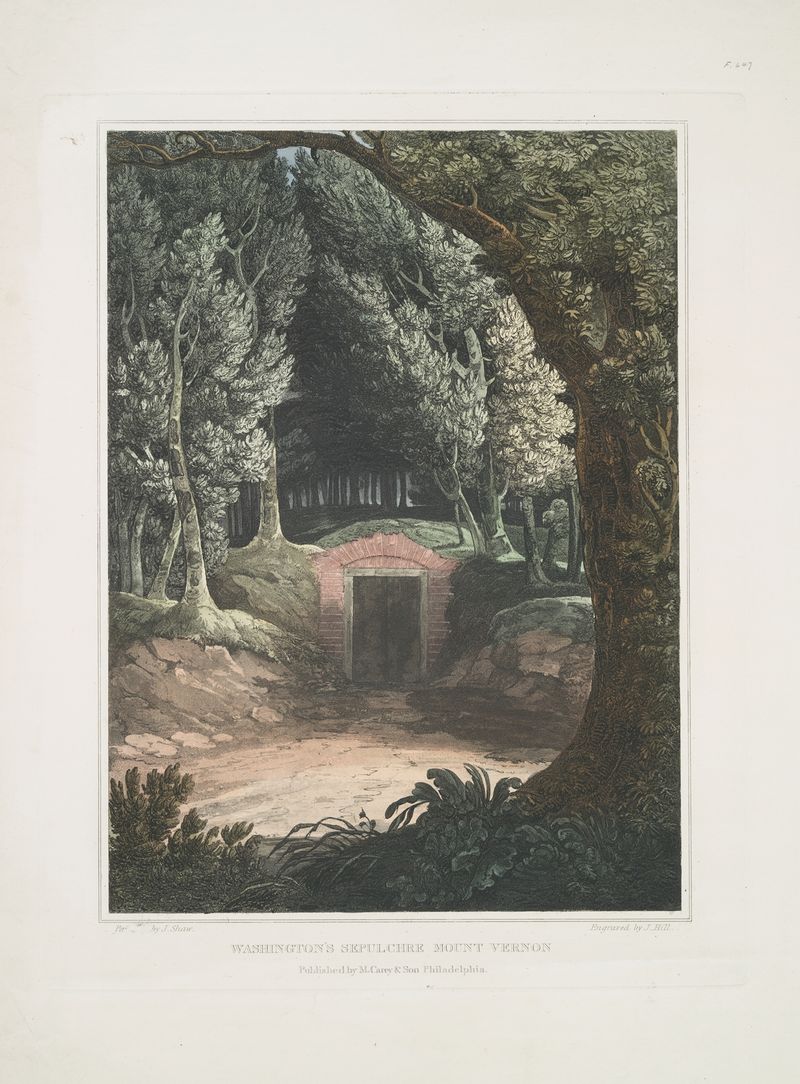
Washington’s sepulchre, Mount Vernon
Joshua Shaw
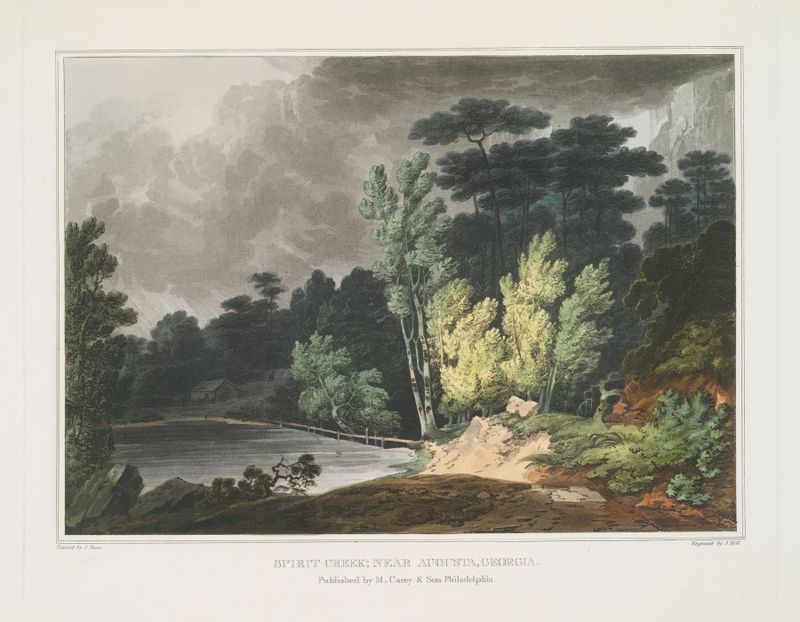
Spirit Creek, near Augusta, Georgia
Joshua Shaw
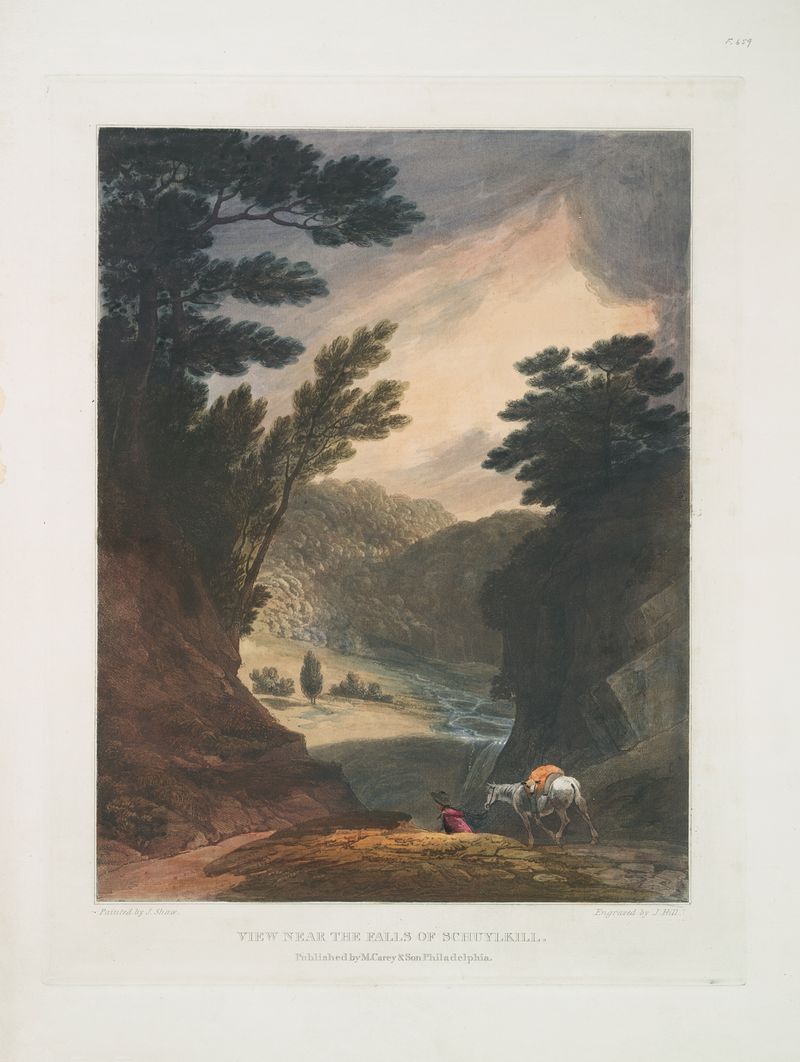
View near the Falls of Schuylkill
Joshua Shaw
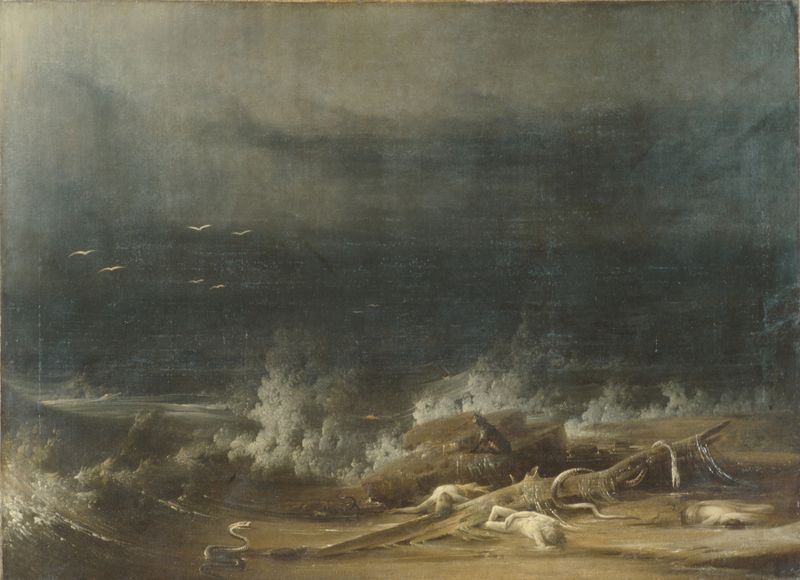
The Deluge towards Its Close
Joshua Shaw
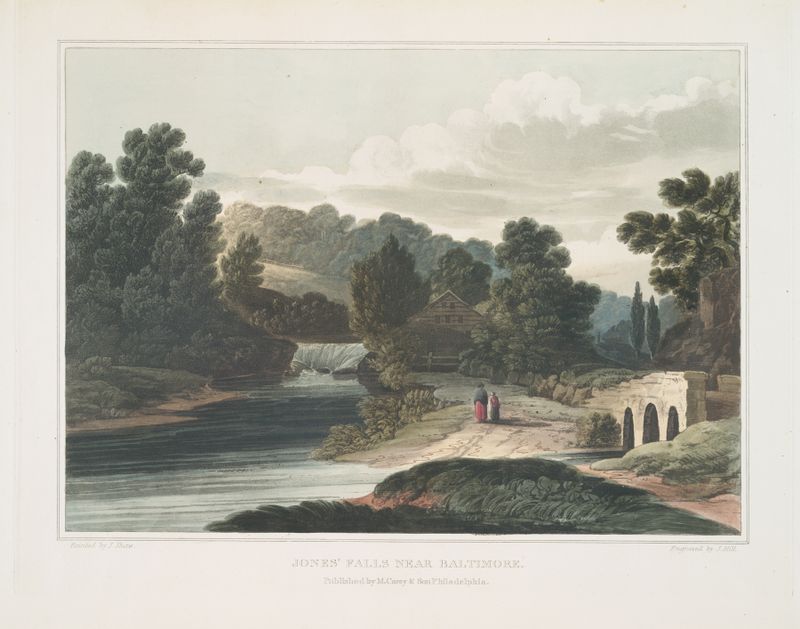
Jones’ Falls near Baltimore
Joshua Shaw
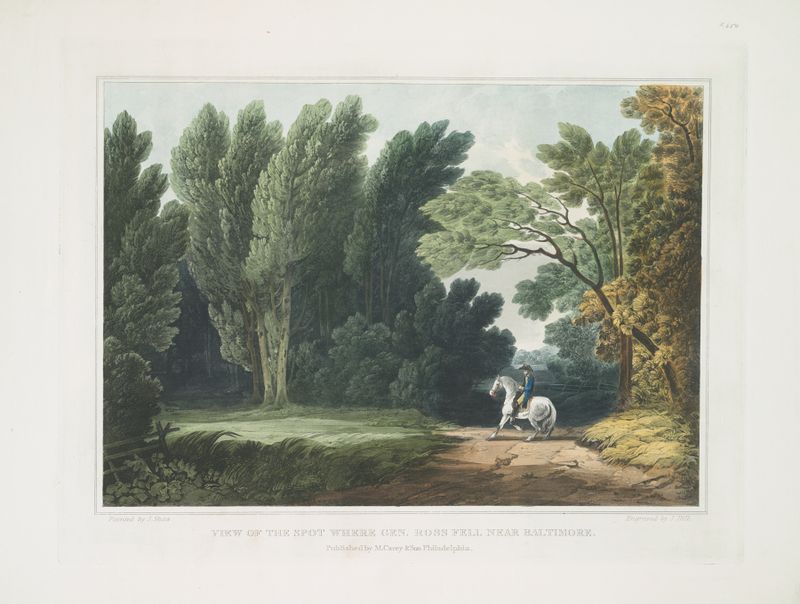
View of the spot where Gen. Ross fell near Baltimore
Joshua Shaw
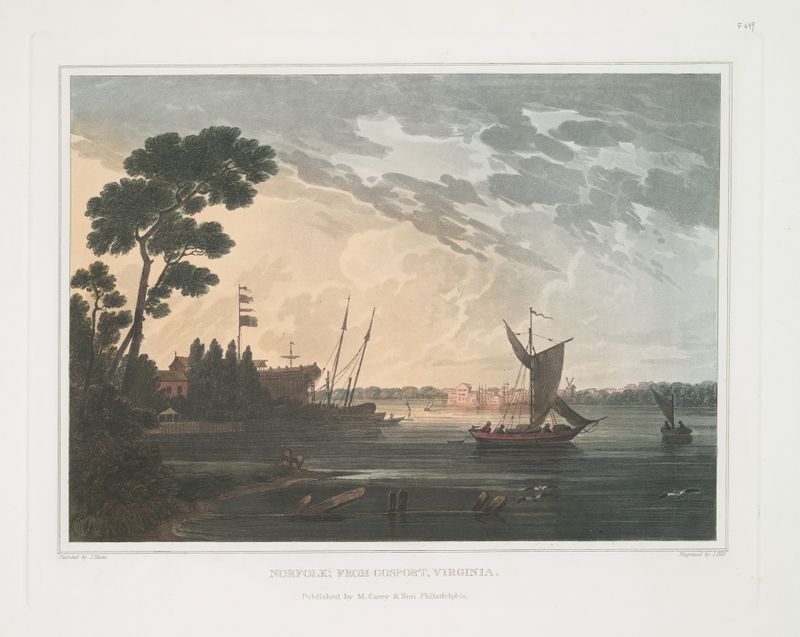
Norfolk, from Gosport, Virginia
Joshua Shaw
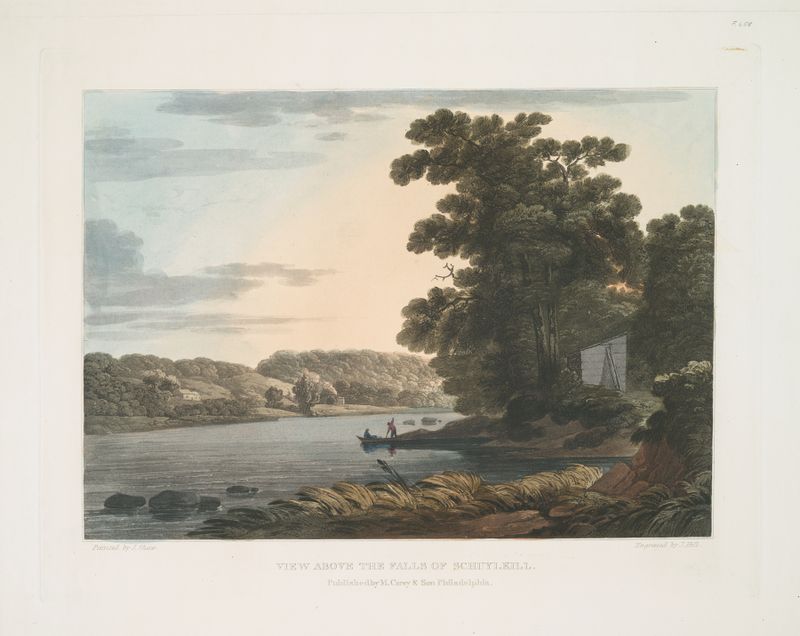
View above the Falls of Schuylkill
Joshua Shaw
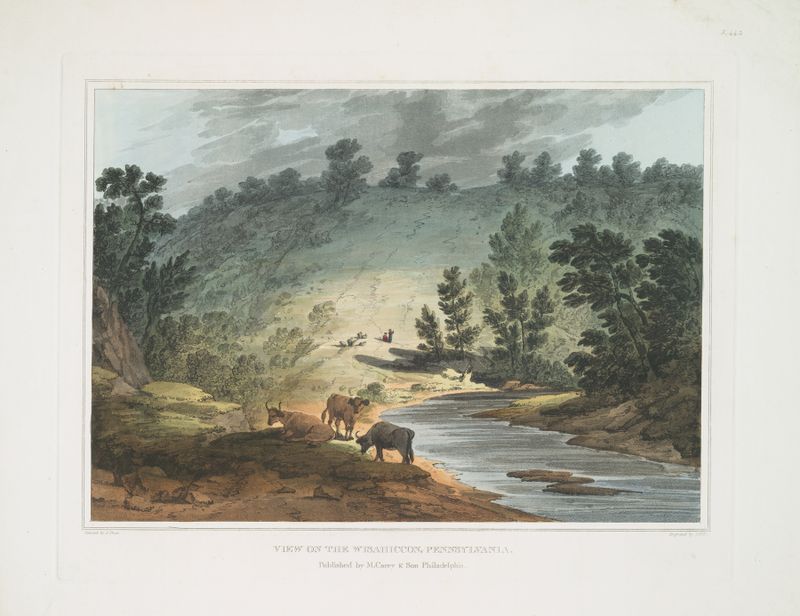
View on the Wisahiccon, Pennsylvania
Joshua Shaw
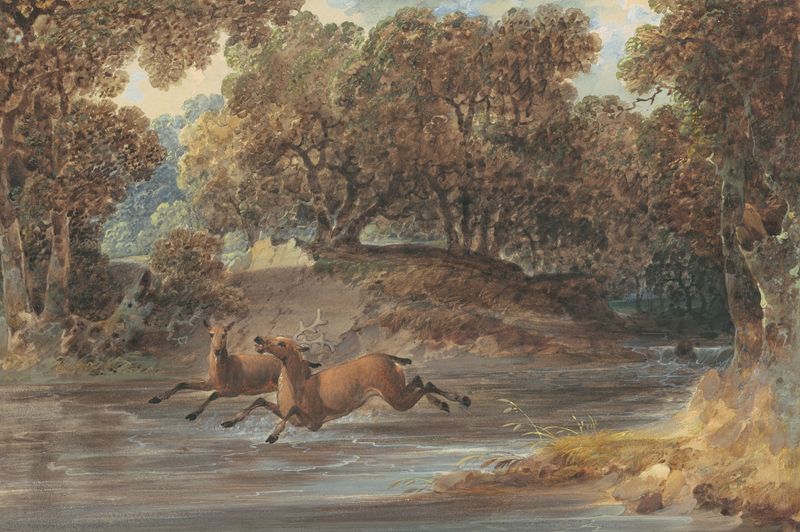
Landscape with Deer,North Carolina
Joshua Shaw





