Solitude — History & Facts
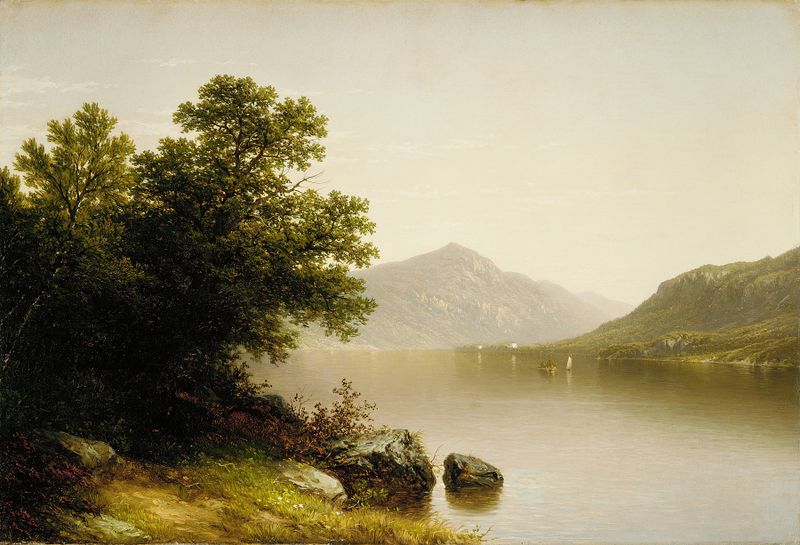
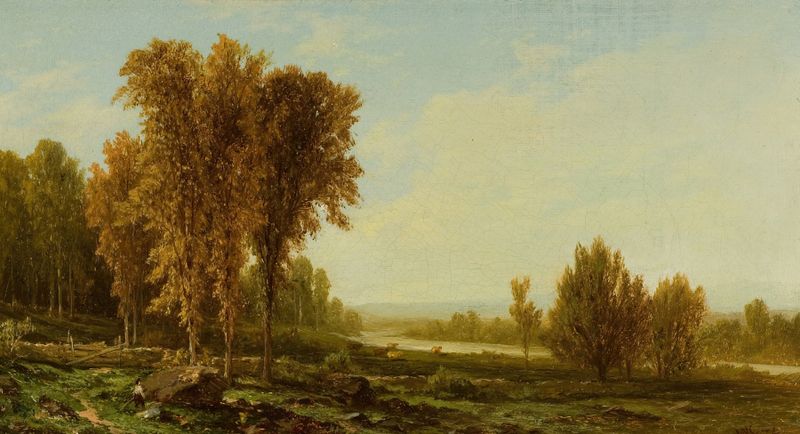
In the stillness of Solitude, we encounter a yearning that resonates deep within the human experience, a haunting reflection on solitude and introspection. Look to the center of the canvas where a lone figure stands, framed by a landscape that oscillates between the serene and the desolate. The soft brushstrokes create a gentle haze, blurring the lines between reality and dream, while muted earth tones envelop the scene, invoking a sense of melancholy. Notice how the light, filtered through a canopy of trees, casts delicate shadows on the figure, emphasizing their isolation yet simultaneously drawing us into their quiet contemplation. In this work, the tension between presence and absence unfolds.
The figure might be physically alone, but their posture suggests an internal dialogue, a struggle between the desire for connection and the weight of introspection. The surrounding trees, though sturdy and rooted, seem to lean closer, as if they, too, possess an unspoken understanding of the human longing for companionship. This visual language encapsulates the essence of yearning—simultaneously a source of pain and profound insight. Casilear created Solitude during a time when the Hudson River School was influencing American art, focusing on the relationship between man and nature.
Although the exact date remains undetermined, he was actively painting in the mid-19th century, a period marked by a burgeoning exploration of personal expression and emotional depth. His work reflects not just the landscape around him, but also the inner landscapes of the soul, capturing the essence of solitude in a rapidly changing world.