
Solitude — History & Facts
Can beauty exist without sorrow? In Solitude, Joshua Shaw captures the haunting interplay between isolation and the surrounding natural world, evoking a sense of profound introspection. Look to the left, where a lone figure stands amidst a vast landscape, their silhouette stark against the warm glow of an amber sunset. The brushstrokes create a smooth transition between the deepening blues of the sky and the fiery hues of the horizon, inviting the viewer to trace the contours of both figure and landscape. The gentle undulations of the terrain lead the eye towards the distant mountains, suggesting both escape and confinement.
Light dances upon the grassy foreground, where the blades seem to whisper secrets of the past. Delving deeper, the painting conveys a poignant contrast: while the figure embodies solitude, the expansive landscape suggests an overwhelming beauty that remains tantalizingly out of reach. The use of shadow around the figure enhances their sense of isolation, while the vibrant colors of the sunset evoke longing and nostalgia. It’s a moment suspended in time, where the viewer feels the weight of unexpressed grief paired with the quiet serenity of nature, encapsulating a complex emotional narrative. In 1818, Shaw painted this work during a period of significant personal and artistic transformation.
Living in America after his emigration from England, he was immersed in the burgeoning Romantic movement, which emphasized the sublime beauty of nature. The world was undergoing changes—the Industrial Revolution was on the horizon, and Shaw’s art reflected both a yearning for the pastoral ideal and a recognition of the profound isolation that such beauty often elicits.
More Artworks by Joshua Shaw
Browse all →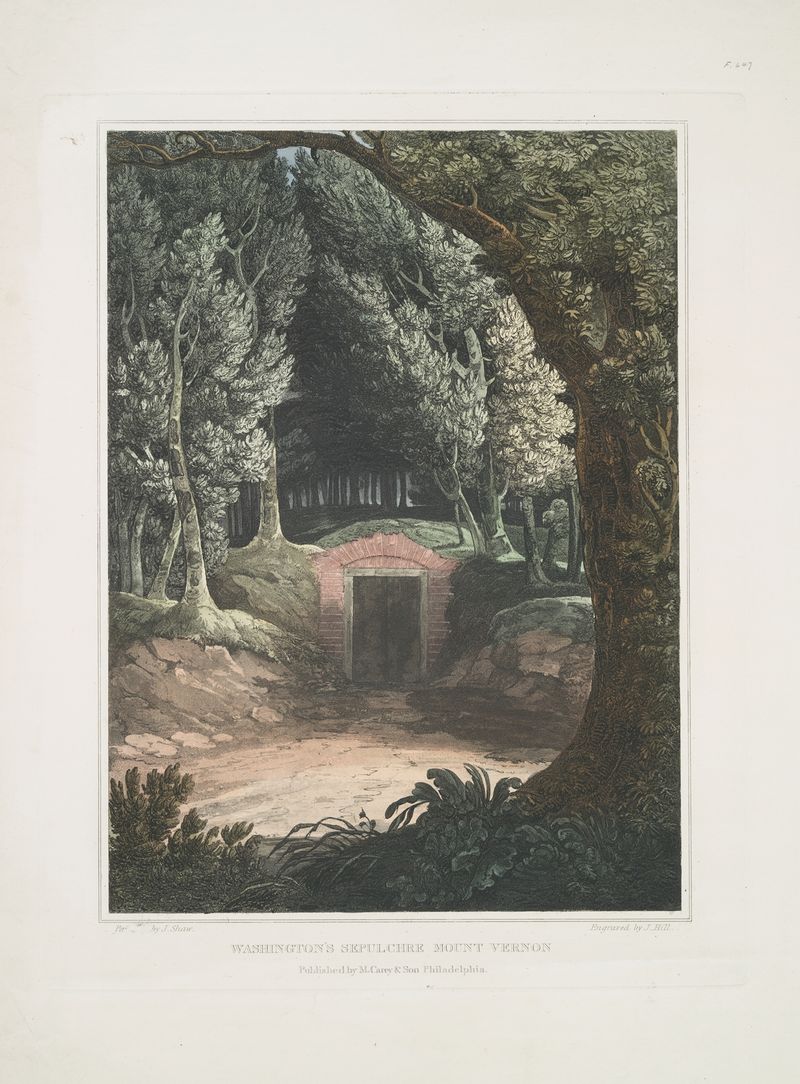
Washington’s sepulchre, Mount Vernon
Joshua Shaw
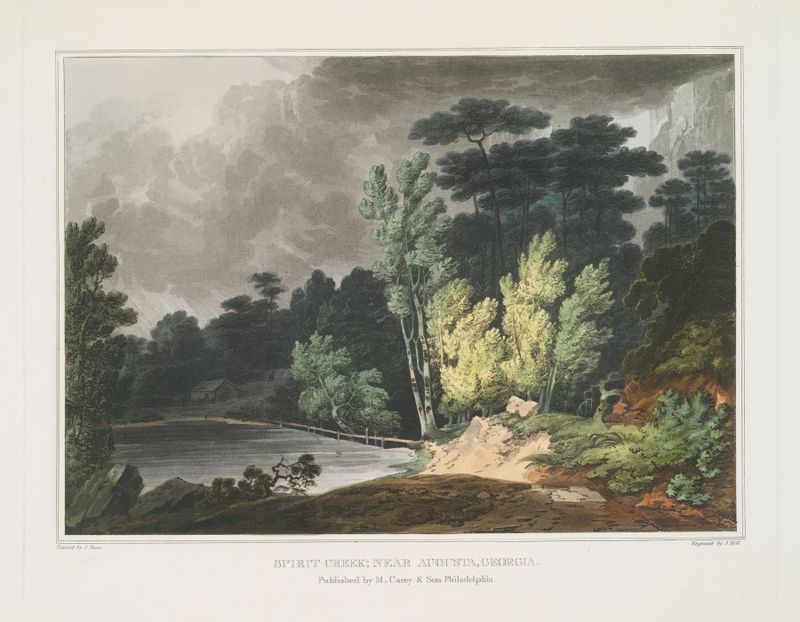
Spirit Creek, near Augusta, Georgia
Joshua Shaw
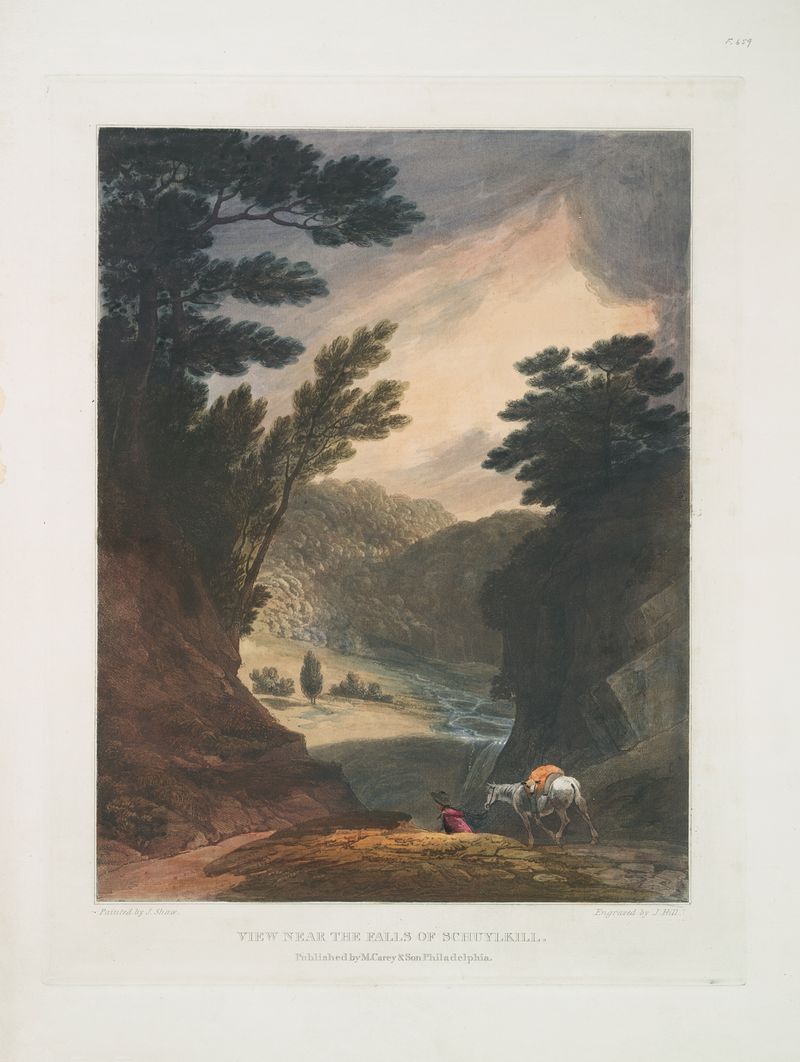
View near the Falls of Schuylkill
Joshua Shaw
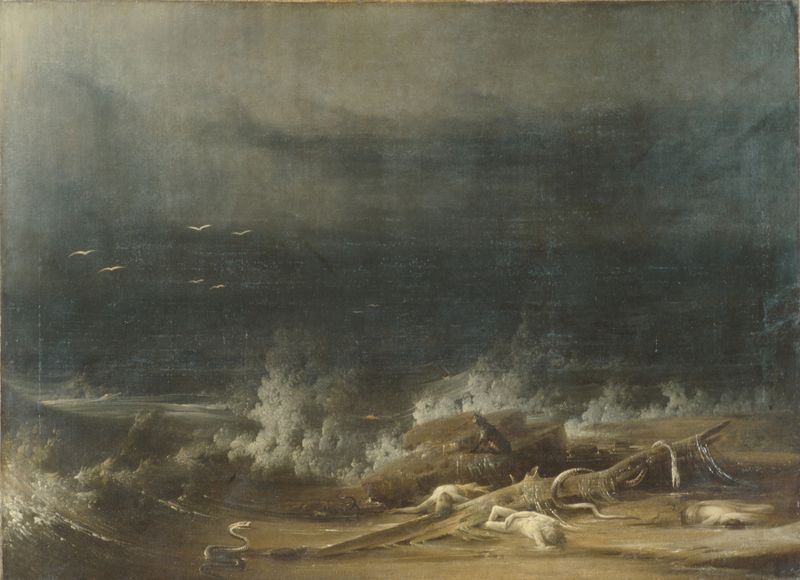
The Deluge towards Its Close
Joshua Shaw
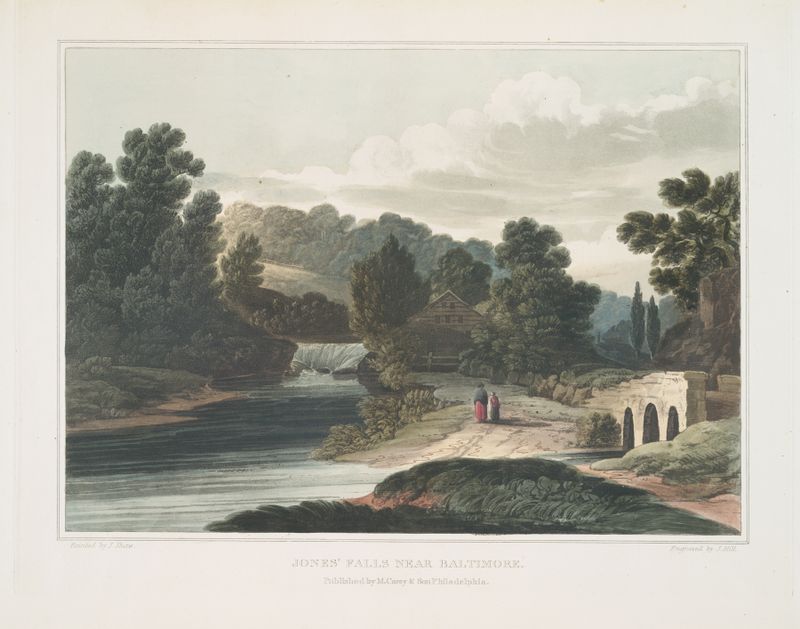
Jones’ Falls near Baltimore
Joshua Shaw
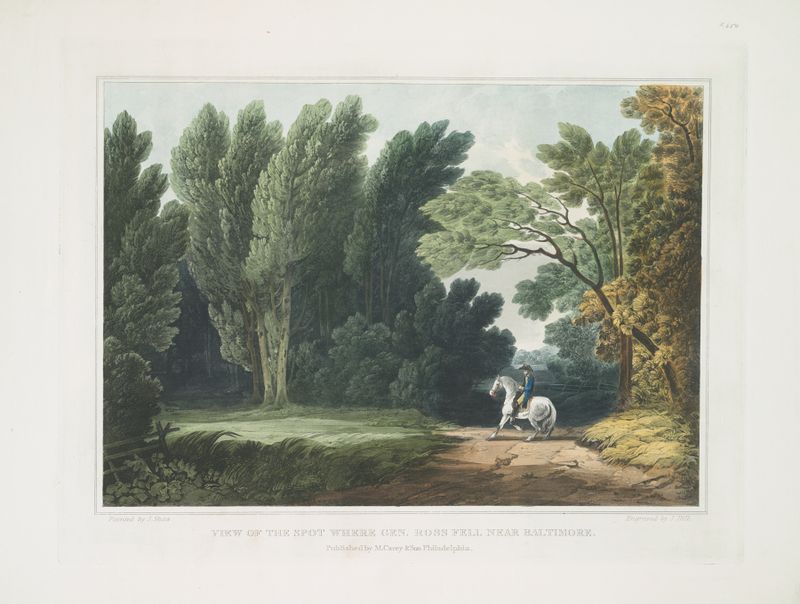
View of the spot where Gen. Ross fell near Baltimore
Joshua Shaw
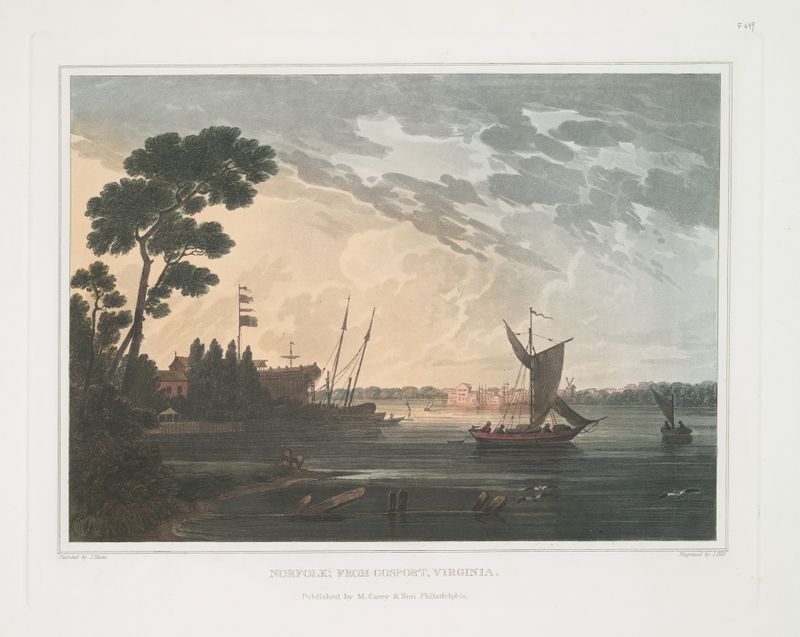
Norfolk, from Gosport, Virginia
Joshua Shaw
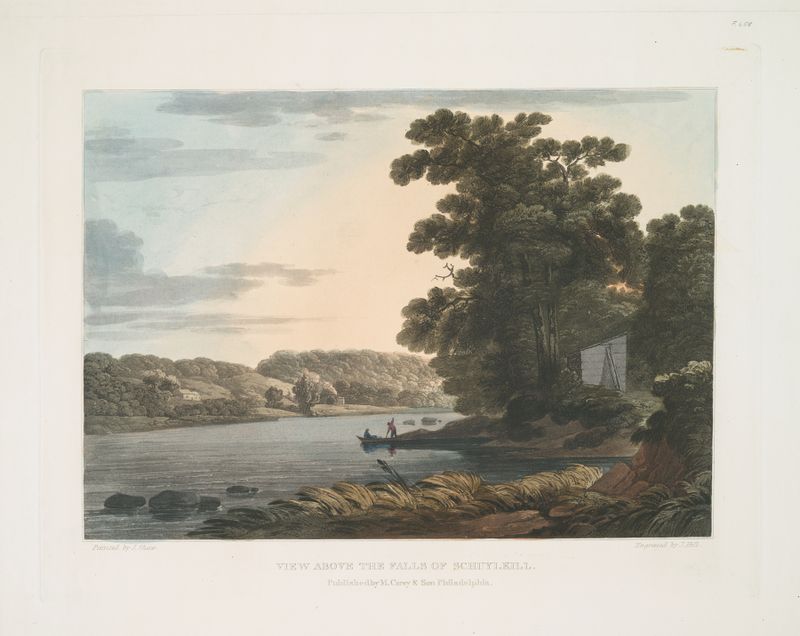
View above the Falls of Schuylkill
Joshua Shaw
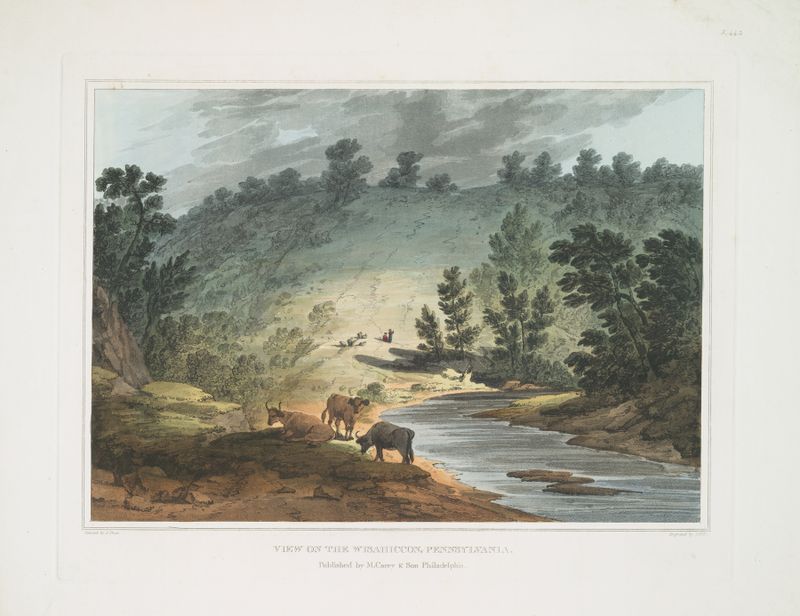
View on the Wisahiccon, Pennsylvania
Joshua Shaw
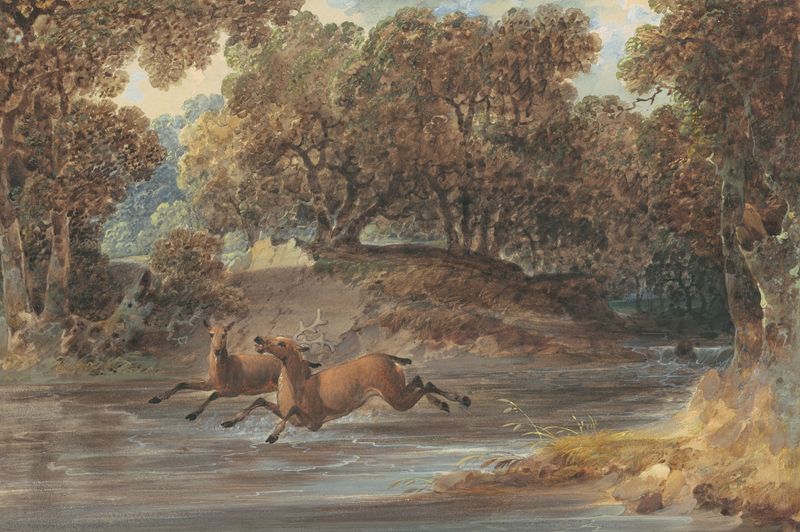
Landscape with Deer,North Carolina
Joshua Shaw





