Sonniges Felsental — History & Facts
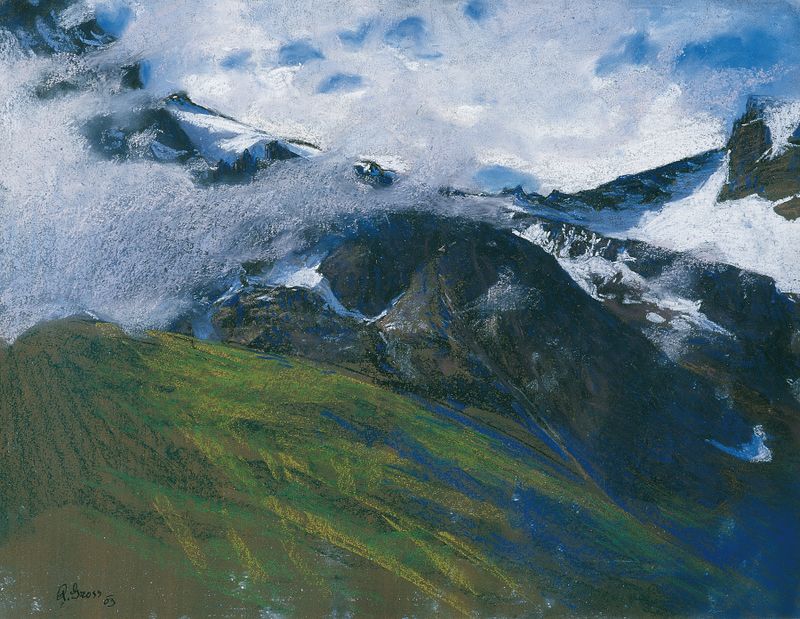
Is this a mirror — or a memory? The delicate interplay of light and shadow captures a moment so fleeting, it teeters on the brink of fragility, evoking both nostalgia and longing. Look to the left at the gentle curve of the rocky outcrop, its sunlit surface shimmering in hues of gold and ochre. The vibrant greens of the vegetation emerge, contrasting sharply against the earthy tones, suggesting life amidst the solid permanence of stone. Notice how the brushstrokes are both deliberate and soft, creating a sense of movement as the shadows dance in the crevices, inviting the viewer to explore the depths hidden within the composition. Within this tranquil valley, tensions emerge through the juxtaposition of light and dark.
The sunlit areas symbolize hope and vitality, while the shadows hint at the unseen struggles that accompany nature’s beauty. Each element is a reminder of the transitory nature of life, evoking a feeling of fragility that resonates deeply with the observer's own experiences and memories. In 1912, while creating Sonniges Felsental, the artist was immersed in a post-impressionist landscape that sought to redefine perception through color and light. Living in a rapidly changing world, Gross was inspired by the natural beauty of his surroundings in Germany, where artistic movements began to embrace emotional depth and subtle introspection.
This period marked a significant transition in art, reflecting both personal and collective explorations of the human condition.