Winter — History & Facts
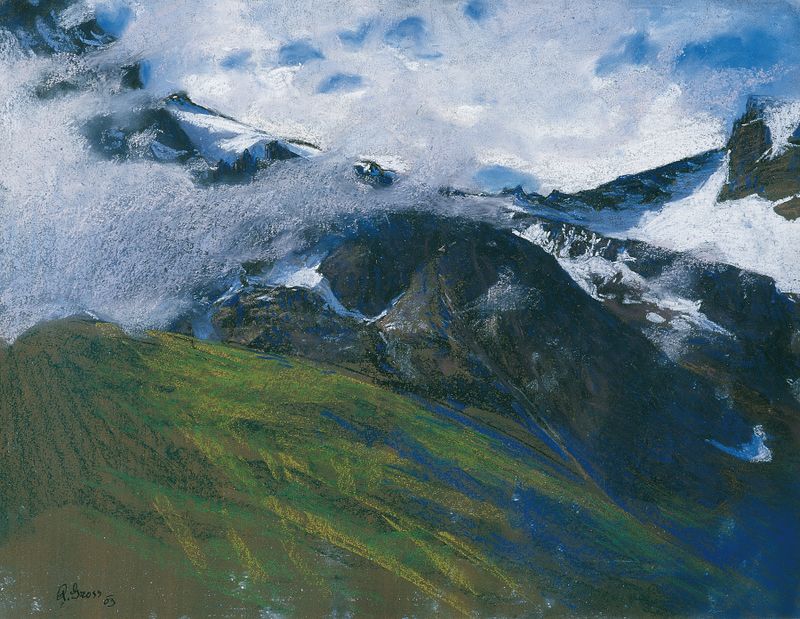
What if silence could speak through light? In Winter, an ethereal hush envelops the icy landscape, inviting us to explore the chaos hidden beneath its serene façade. Look to the left at the gnarled, bare branches reaching upwards as if grasping for warmth amid the cold. The careful application of muted blues and grays creates an almost otherworldly glow, contrasting sharply with the deep shadows that linger in the hollows. Notice how the light dances across the snow, revealing textured surfaces that evoke a sense of stillness yet hint at turbulent forces lying just beneath the surface. As you delve deeper, consider the juxtaposition of tranquility and chaos embodied in this scene.
The starkness of the winter landscape reflects the emotional weight of isolation, while the interplay of light and shadow suggests an unseen struggle. The delicate balance between beauty and desolation invites contemplation on the complexities of nature and the human experience, making the viewer acutely aware of the subtle whispers of life that persist even in harsh conditions. Adolf Gross created Winter in 1916, during a tumultuous period marked by World War I’s upheaval and an evolving art scene searching for new forms of expression. Living in a time when traditional methods were being challenged, Gross embraced a unique approach that blended realism with emotional depth, capturing the essence of a world grappling with chaos yet momentarily finding solace in the stark beauty of winter.