Springtime — History & Facts
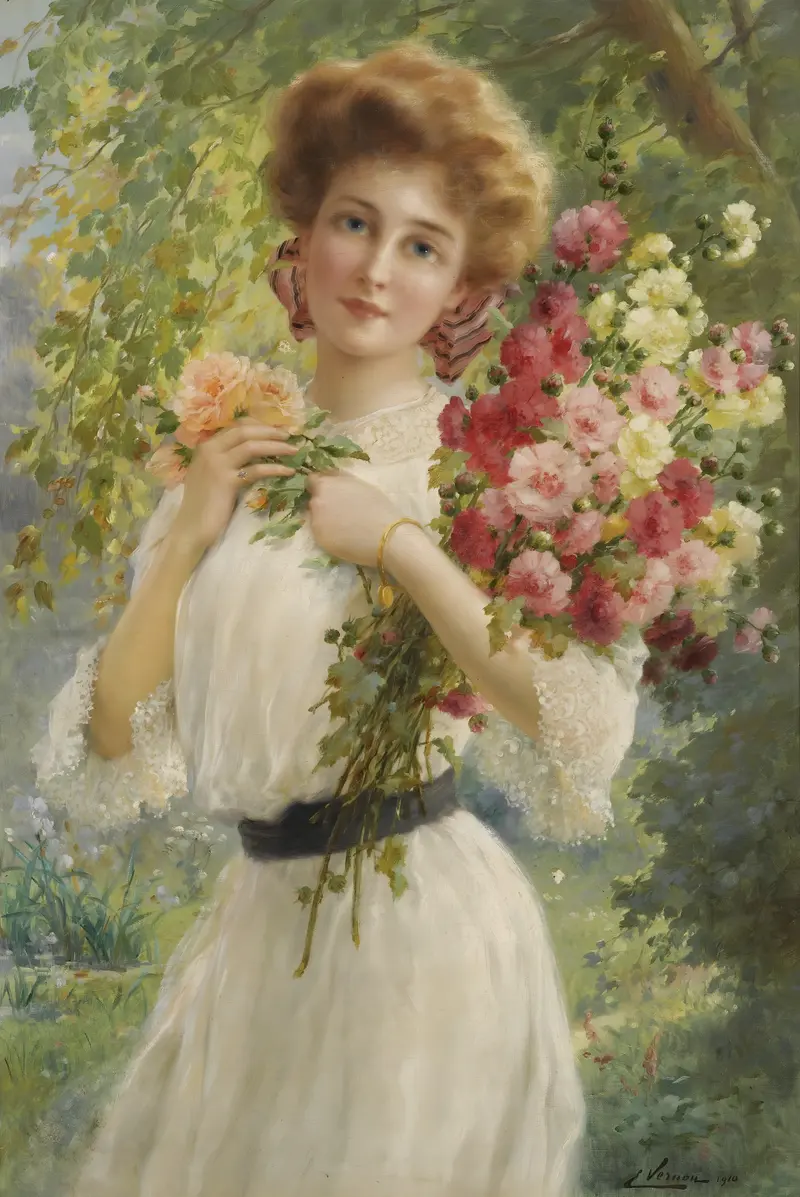
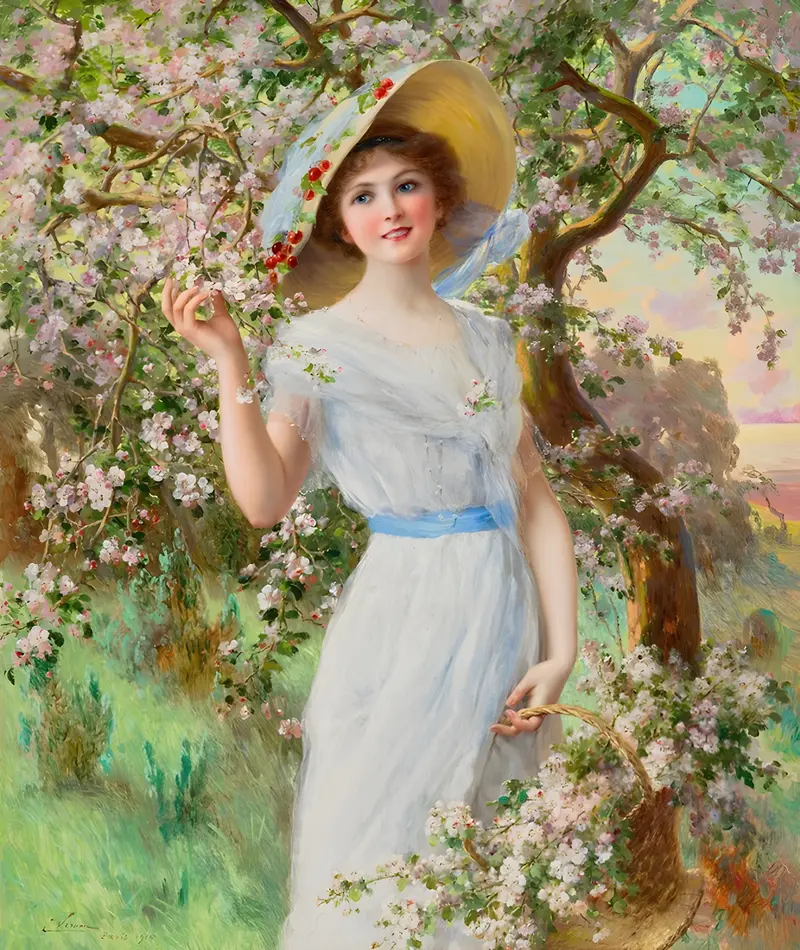
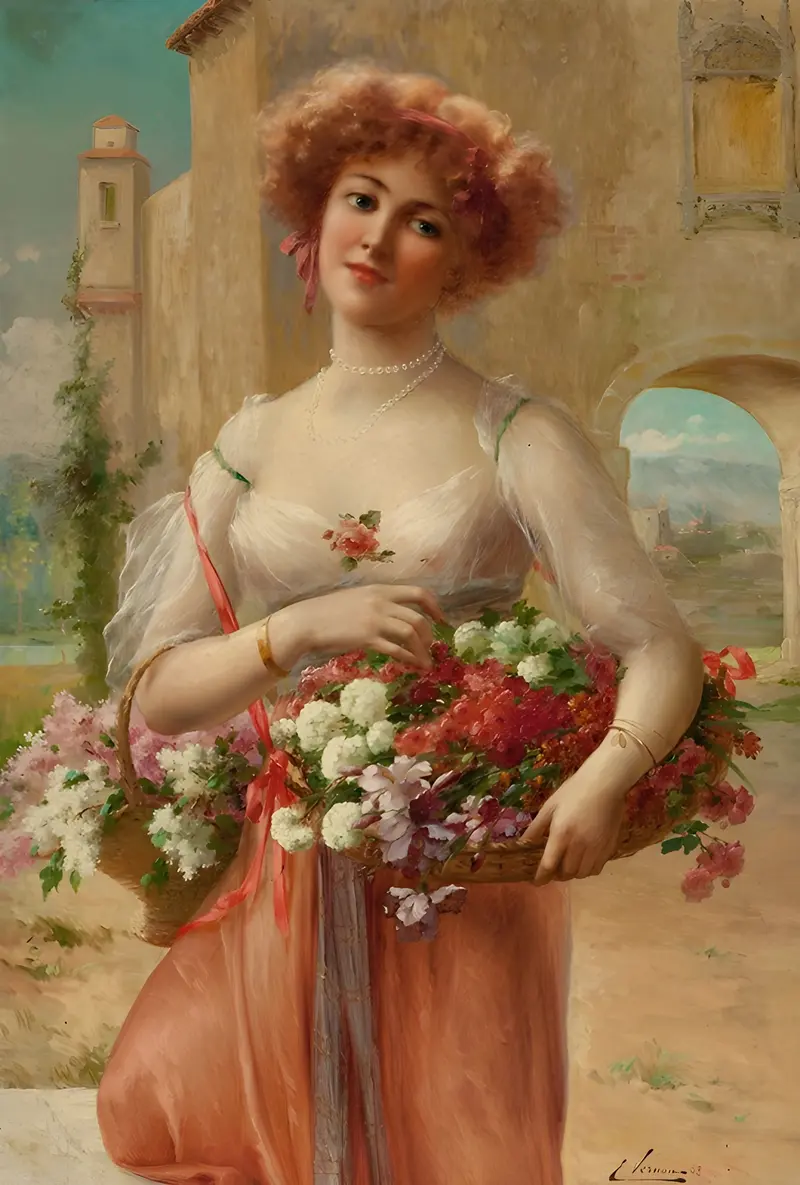
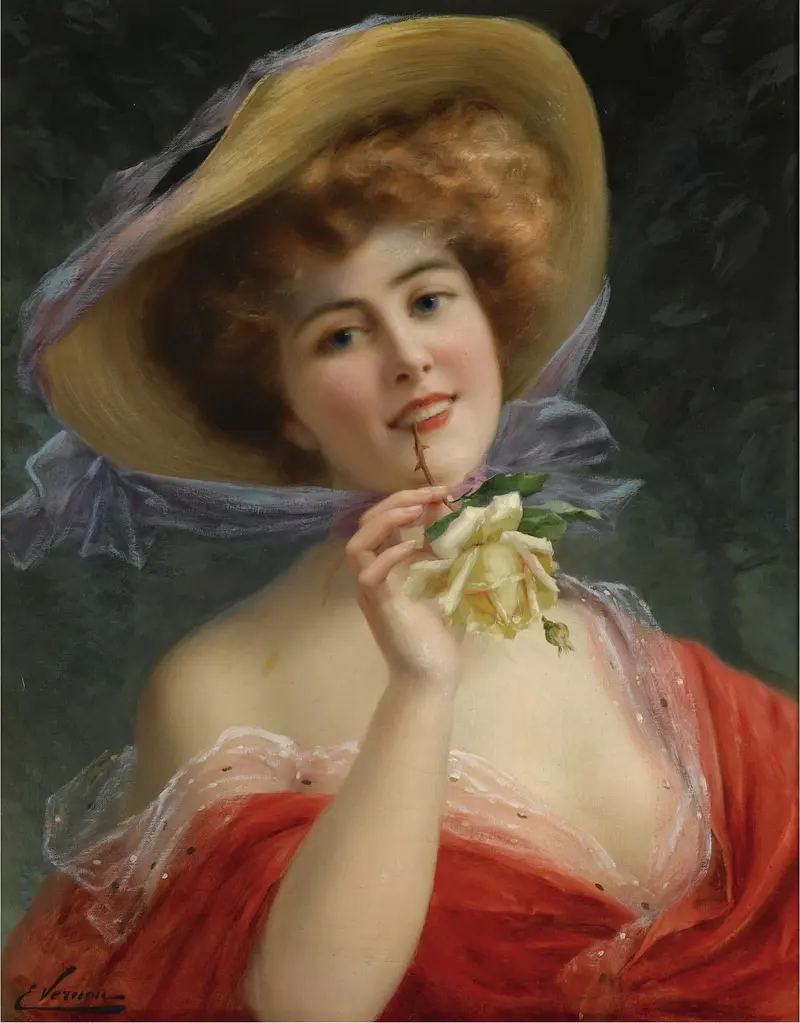
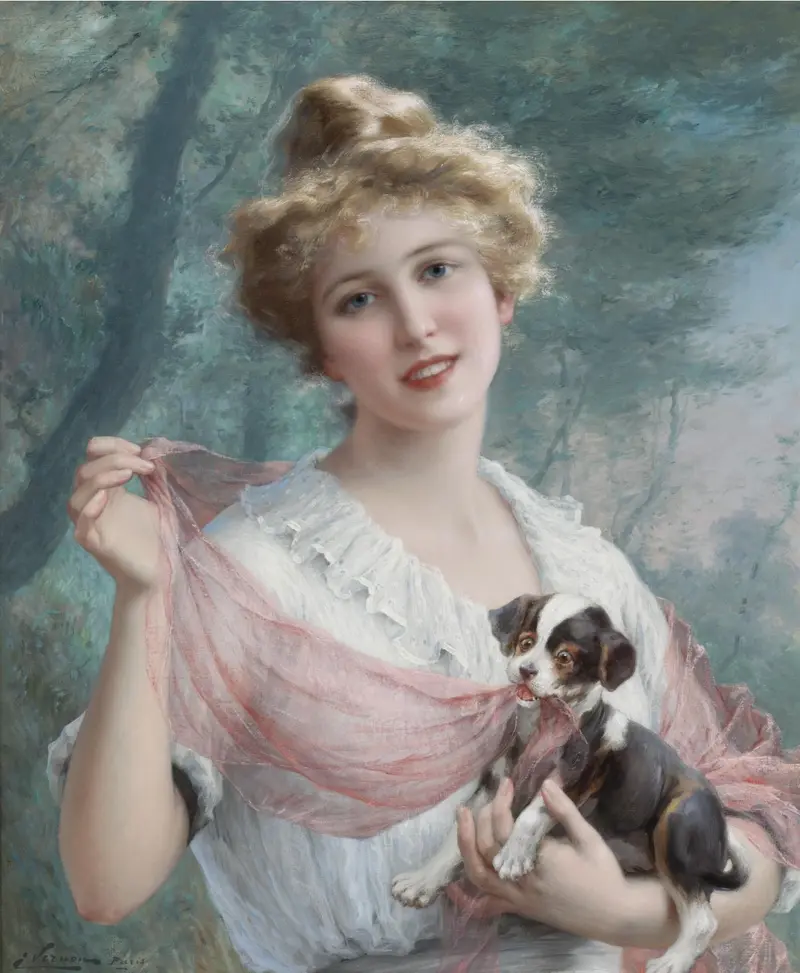
In Springtime, Emile Vernon captures the essence of the season with a vibrant array of colors. The painting features a lush garden filled with blooming flowers in various shades of pink, yellow, and white. Delicate petals and lush greenery create a lively atmosphere, inviting viewers to immerse themselves in the beauty of nature.
The overall composition is harmonious, reflecting the joy and renewal associated with spring. The painting is executed in oil on canvas, a medium that allows for rich color and texture. Vernon's technique showcases his ability to blend colors seamlessly, creating depth and dimension in the flowers. The brushwork is fluid, emphasizing the organic forms of the blossoms and leaves.
Viewers can appreciate the intricate details, from the delicate veins in the petals to the soft transitions between colors. Emile Vernon was a prominent figure in the Art Nouveau movement, known for his floral and botanical themes. This work, created around the early 1900s, exemplifies his style, which often features lush, decorative elements. An interesting fact about Springtime is that it reflects the artist's fascination with nature, which was a central theme in many of his works.
Vernon's paintings often evoke a sense of tranquility and beauty, making them beloved by collectors and art enthusiasts alike.