
St. Catherine’s Church — History & Facts
What if silence could speak through light? In the stillness of St. Catherine’s Church, shadows become the language of reverence, weaving a tapestry of spirituality and solitude. Focus first on the interplay of light and shadow that envelops the architectural elements. Observe how the sun filters through intricate stained glass, casting a kaleidoscope of colors onto the cool stone floor.
Notice the way the light dances with the darkness, creating a visual rhythm that pulses with life beneath the solemn arched ceilings. Each shadowed corner invites contemplation, guiding the viewer’s eye to the delicate details of the church’s fixtures and furnishings, crafted with care yet softened by the embrace of shadow. Delve deeper into the reflections of faith and solitude embedded in the artwork. The stark contrasts between light and dark serve not only as a visual technique but also symbolize the duality of existence—the divine and the mundane.
The quiet ambiance suggests a sanctuary, where the unseen engages with the sacred; the shadows cradle the solitude of prayer, allowing personal introspection amidst the grandeur. This balance between illumination and obscurity evokes a sense of peace, inviting viewers to explore their connection to both the church and themselves. Stanisław Czajkowski painted this piece in 1911, during a period of burgeoning artistic exploration in Poland. At this time, the artist was deeply influenced by the interplay of modernity and tradition, searching for new ways to express spiritual themes in a rapidly changing world.
The early 20th century was marked by a reevaluation of religious art, and Czajkowski's work reflects this tension, capturing the eternal dialogue between light and shadow within the sacred space.
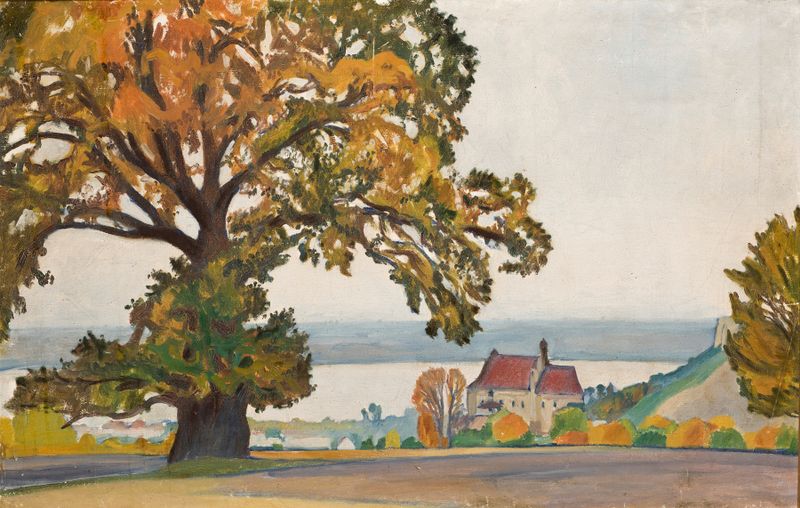
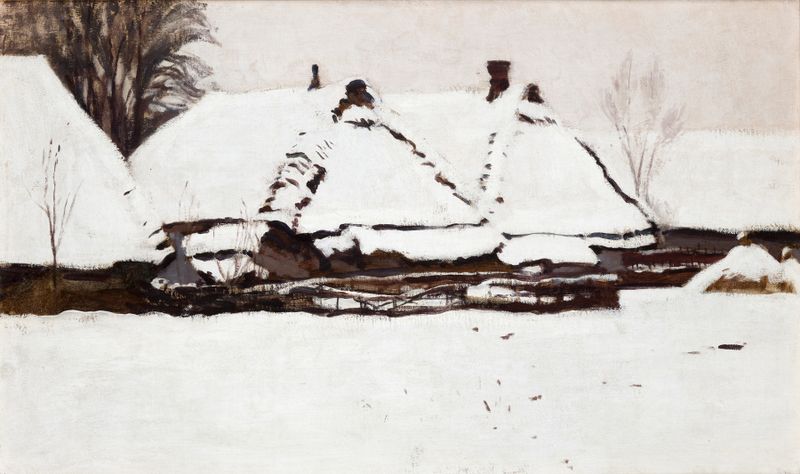
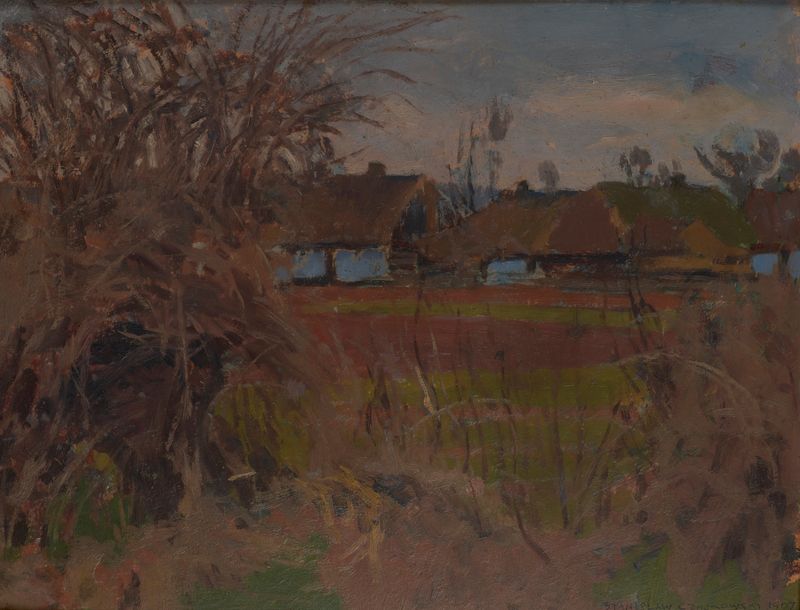
More Artworks by Stanisław Czajkowski
Browse all →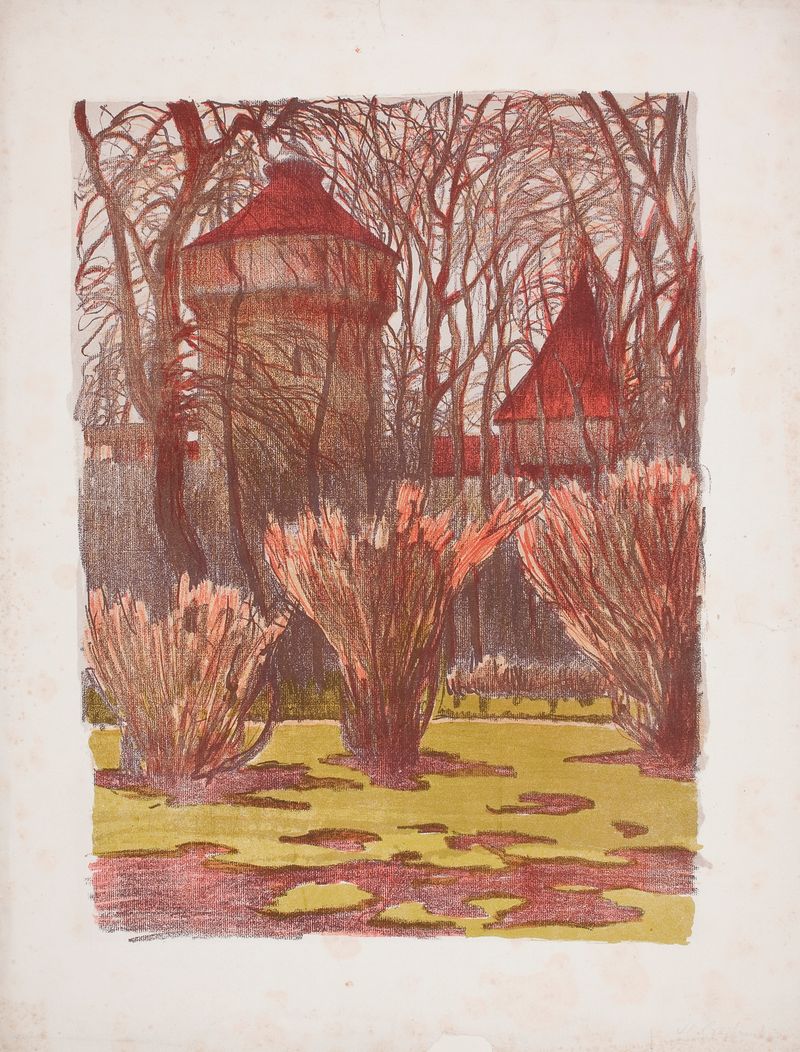
More Architecture Art
Browse all →
The statue of Liberty
Frédéric Auguste Bartholdi

View of Houses in Delft, Known as ‘The Little Street’
Johannes Vermeer

View of Houses in Delft, Known as ‘The Little Street’
Johannes Vermeer

The Cathedral in Rouen. The portal, Grey Weather
Claude Monet

The yellow house
Vincent van Gogh

The Church in Auvers-sur-Oise, View from the Chevet
Vincent van Gogh