Winter Rural Landscape — History & Facts
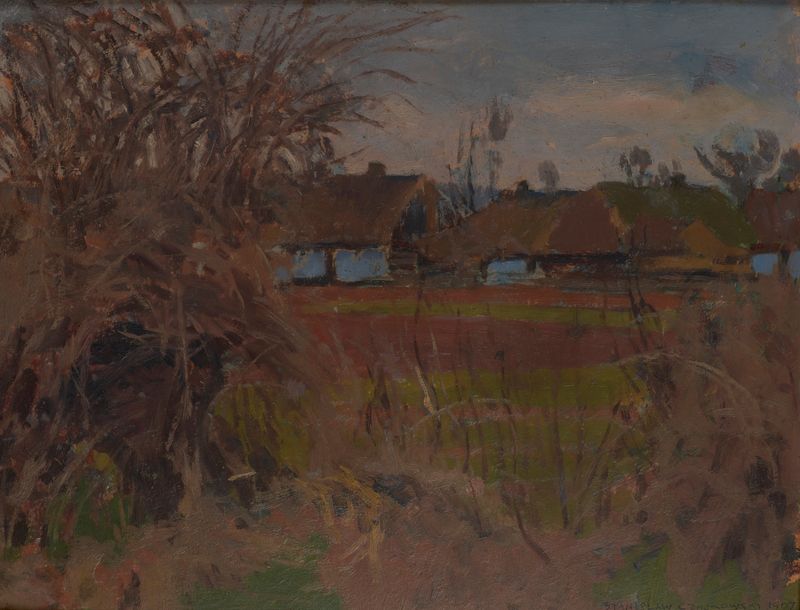
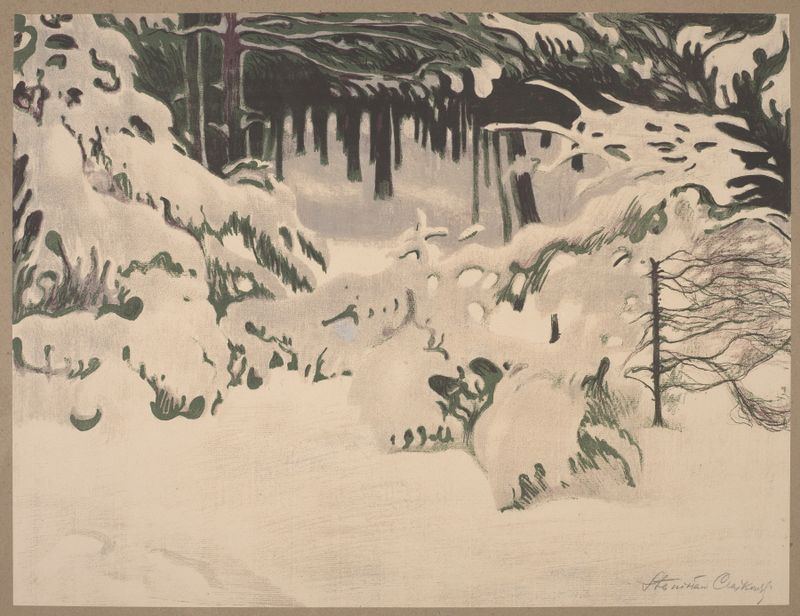
When did color learn to lie? In an era where landscapes were mere reflections of reality, the allure of Winter Rural Landscape draws us into a world both enchanting and deceptive. It invites us to ponder the essence of legacy – the footprints we leave in nature and the stories intertwined with the land itself. Look to the foreground where the snow blankets a quiet village, its muted tones of blues and whites enveloping the scene in a gentle embrace. The trees, stark and bare, stretch their limbs toward the pale sky, creating a striking contrast against the softness below.
Notice how the light dances on the surface of the snow, a play of shadows and highlights that brings texture and depth to the otherwise stark composition. The distant hills merge with the horizon, their softness inviting contemplation and reflection. Yet, the landscape holds a deeper narrative. The absence of human presence raises questions about solitude and the passage of time, while the delicate brushstrokes evoke a sense of nostalgia.
The cool colors hint at a somber mood, yet a warmth seeps through, suggesting the enduring spirit of life even in the harshest of winters. The painting becomes a testament to the resilience of nature, reminding us that beneath its icy exterior lies a vibrant legacy waiting to be uncovered. In 1908, Czajkowski painted this work during a time of artistic exploration within Poland. He was deeply influenced by the Impressionist movement's emphasis on capturing fleeting moments.
This period marked his commitment to depicting rural life, weaving his experiences and surroundings into his art as he sought to document and celebrate the beauty of the countryside amid a rapidly changing world.