Bronowice pod Krakowem — History & Facts
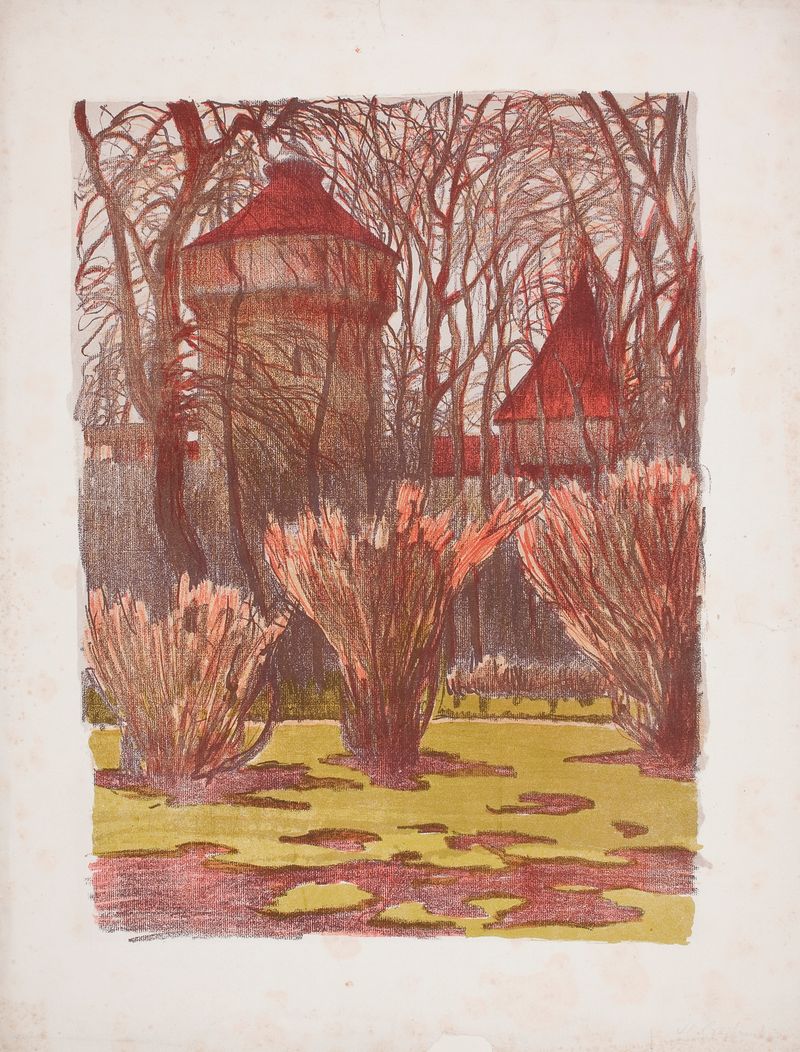
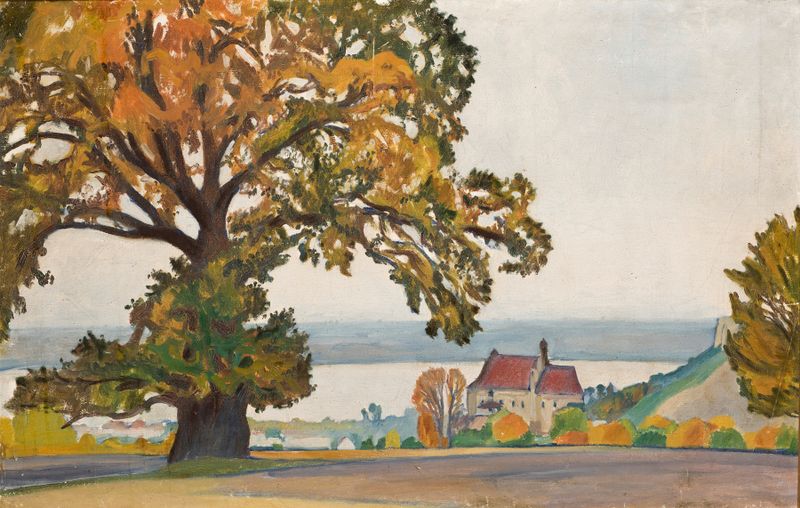
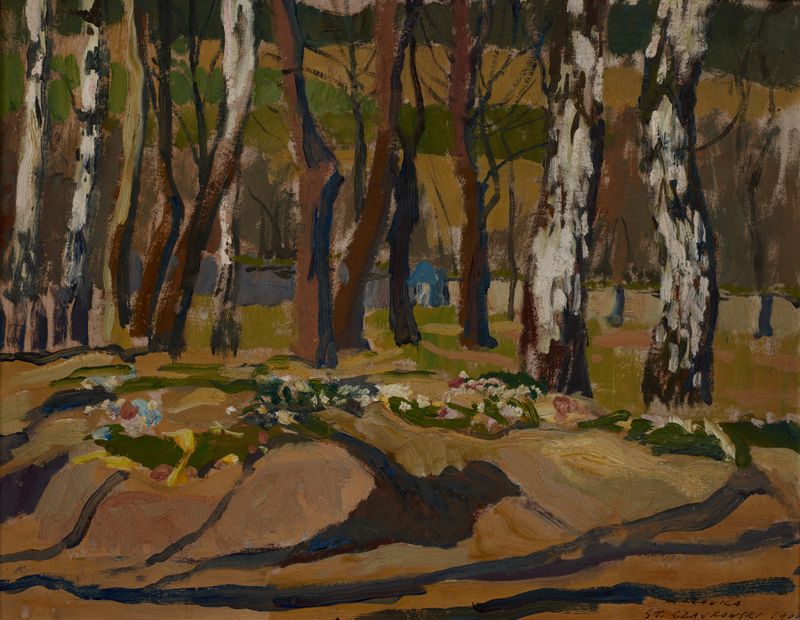
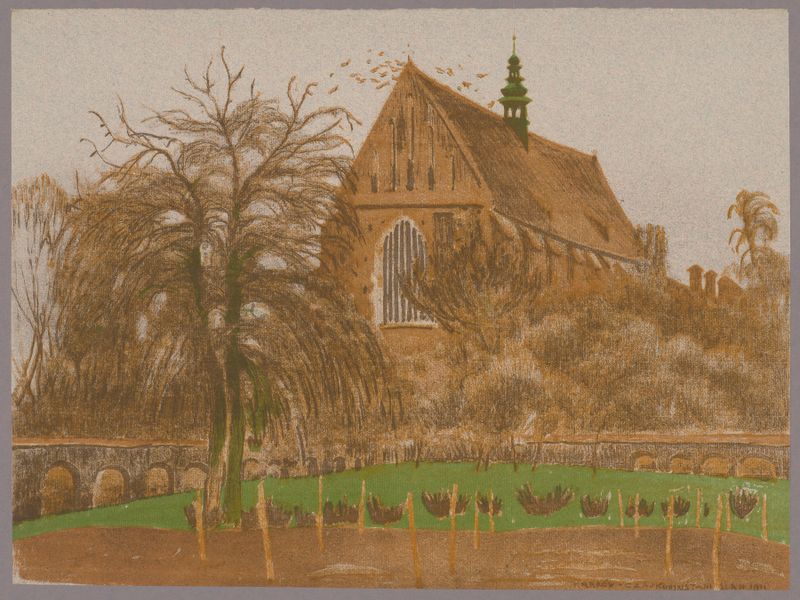
In the shimmering hues of a new dawn, color becomes a language all its own, speaking to the deeper truths we often overlook. Each brushstroke whispers of a reality that transcends the mundane, inviting us into an intimate dialogue with what lies beyond the surface. Look to the vibrant palette that dominates this piece. The greens and yellows of the fields radiate warmth, while the sky above dances in shades of azure and blush.
Notice how the light shifts across the landscape, illuminating the contours of rolling hills and the quaint architecture nestled within. The composition draws the eye towards the horizon, where the promise of a new day suggests a sense of hope and continuity. Yet, amidst the idyllic scenery, there lies a contemplative tension. The juxtaposition of the flourishing fields against the distant, shadowy mountains evokes the struggle between nature’s beauty and the weight of reality.
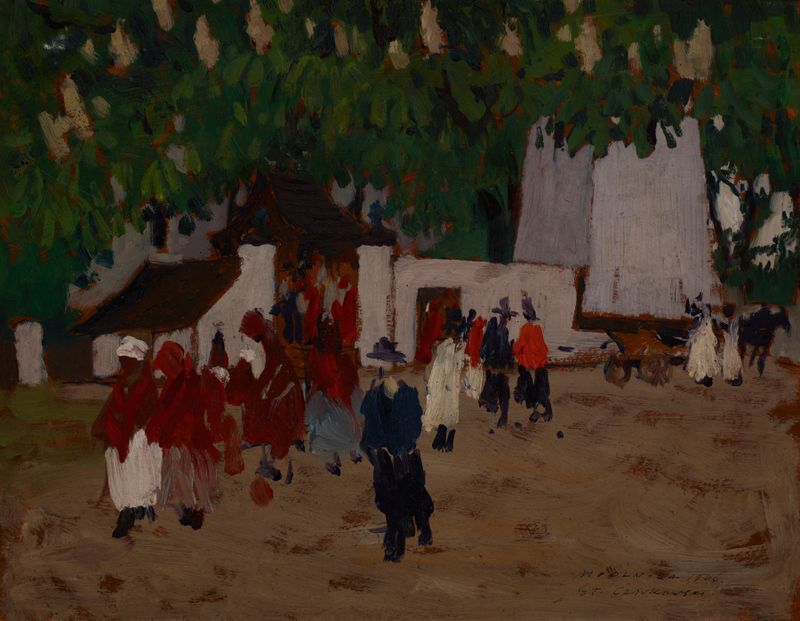
Each color carries emotional weight; the bright greens symbolize life and renewal, while the darker tones hint at the unknown. This interplay invites the viewer to reflect on both the tranquility of the scene and the potential challenges that lie ahead. In 1907, Stanisław Czajkowski painted this work during a time of significant change in Poland and Europe. The artist sought to capture the evolving rural landscape, reflecting a society in transition amidst political upheaval.
Living in Kraków, he was influenced by the burgeoning movement of modernism, which emphasized emotional expression through color and form, marking a pivotal shift in artistic vision during this era.