St. Jame’s, Garrick Hill — History & Facts
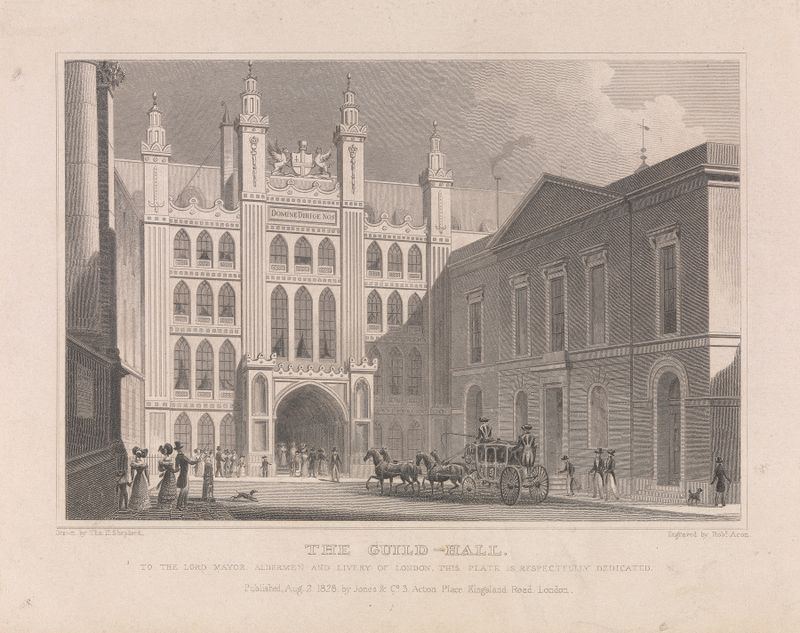
In the stillness of this painted landscape, the weight of solitude resonates profoundly, inviting reflection and introspection. Focus on the vast expanse of the canvas, where the soft hues of green and muted browns embrace the gentle slope of Garrick Hill. Look to the left, where delicate brushstrokes create a lone figure, a sentinel against the backdrop of nature's embrace, evoking a sense of isolation. Notice the way the light spills across the uneven terrain, casting long shadows that hint at an unseen presence, amplifying the loneliness that permeates the scene. The interplay of color and composition reveals deeper truths about human existence.
While the expansive sky stretches above, vast and indifferent, the solitary figure anchors the viewer’s gaze, symbolizing the universal experience of feeling lost amidst the grandeur of the world. The contrast between the lush, inviting landscape and the solitary presence speaks to the tension between belonging and estrangement—a poignant reminder of the human condition. During the time this piece was created, Robert Acon was immersed in the vibrant artistic landscape of the late 19th century, exploring themes of nature and isolation. Though the exact date remains unknown, Acon's work reflects a period marked by a shift toward more personal and emotional interpretations of landscape painting.
It was an era when artists began to delve deeper into their own experiences, capturing the profound feelings of loneliness that often accompany the beauty of the natural world.