
The Guildhall — History & Facts
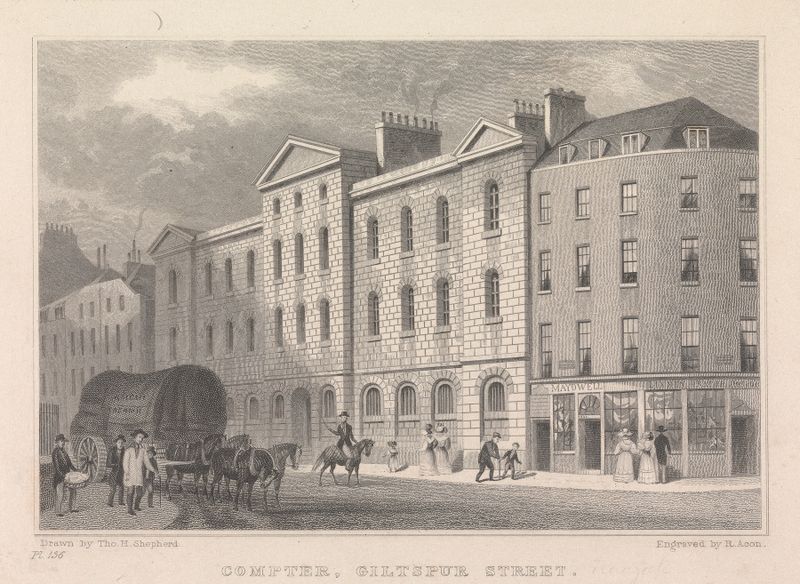
In the quiet corners of our lives, reflections often reveal more than we perceive at first glance. Look to the center of the canvas, where the exquisite architecture of the Guildhall stands proud and imposing, its intricate details inviting your gaze. Notice how the light plays upon the stone façade, casting shadows that dance along the surface, breathing life into the stillness of the scene. The cool hues of blue and gray contrast sharply with the warm, golden tones of sunlight filtering through the clouds, creating a tangible interplay between light and shadow.
The dynamic brushwork captures the essence of a moment suspended in time, as if the building itself holds a myriad of stories within its walls. Delve deeper, and you may sense the tension between permanence and transience. The reflections in the nearby water not only mirror the grandeur of the Guildhall but also evoke the passage of time, hinting at fleeting moments that are often overlooked. The gentle ripples disrupt the surface, symbolizing change and the inevitability of evolution, while the surrounding trees seem to whisper secrets of history and memory that remain just out of reach—a longing for what once was. In 1828, Robert Acon created this piece amidst a burgeoning era of Romanticism, where artists sought to express emotion and the sublime.
Living in England, Acon was influenced by the picturesque movement and the desire to capture local heritage. His work reflects the tension of an industrializing world, where the beauty of architectural forms stood in stark contrast to the rapid changes reshaping society.
More Artworks by Robert Acon
Browse all →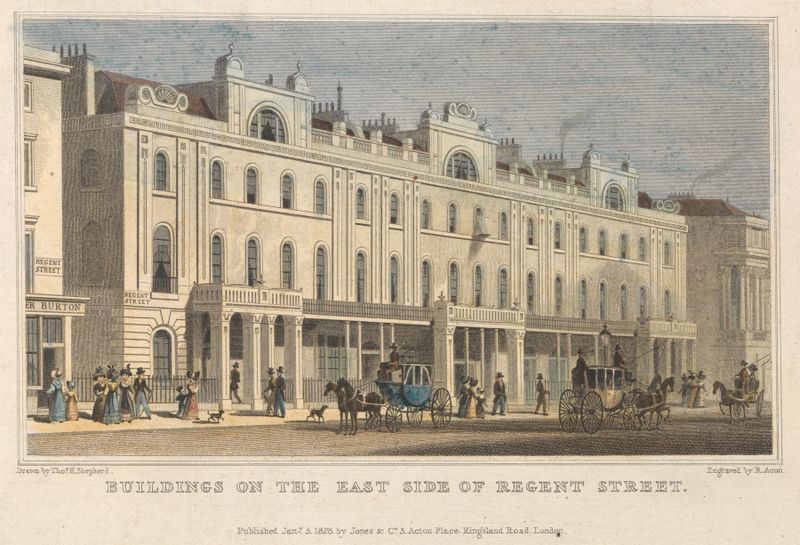
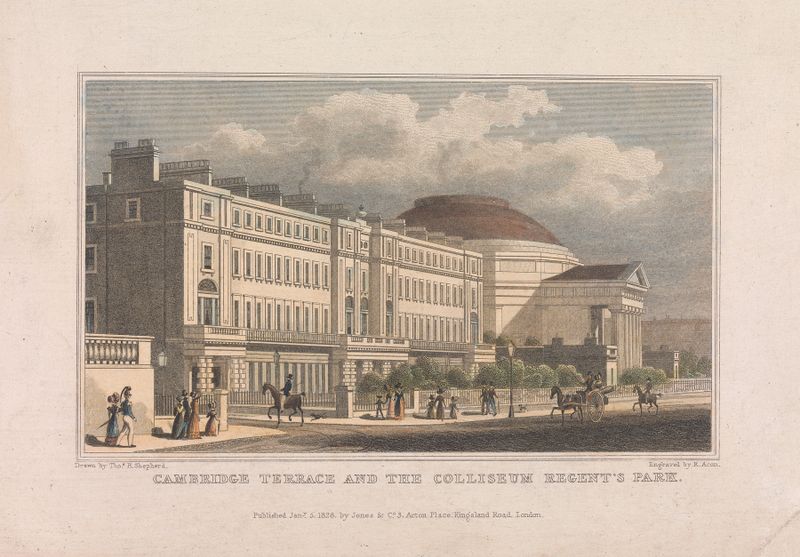
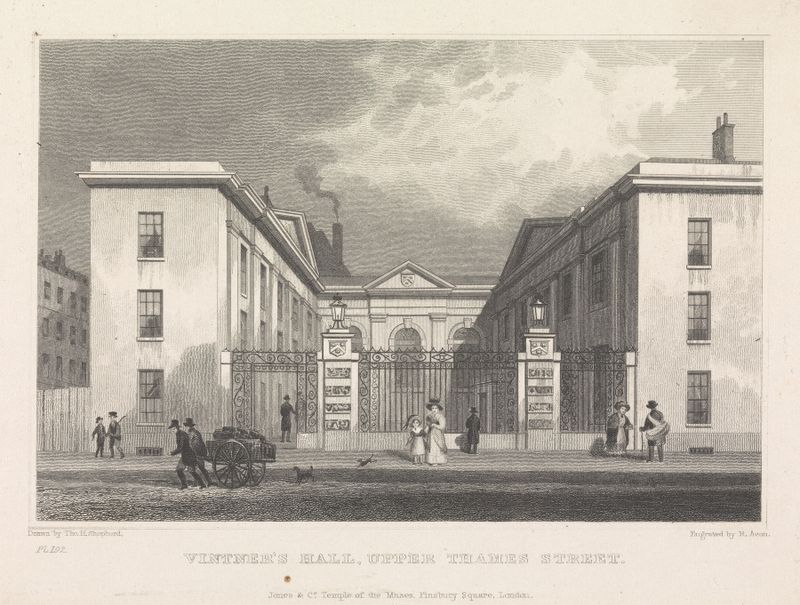
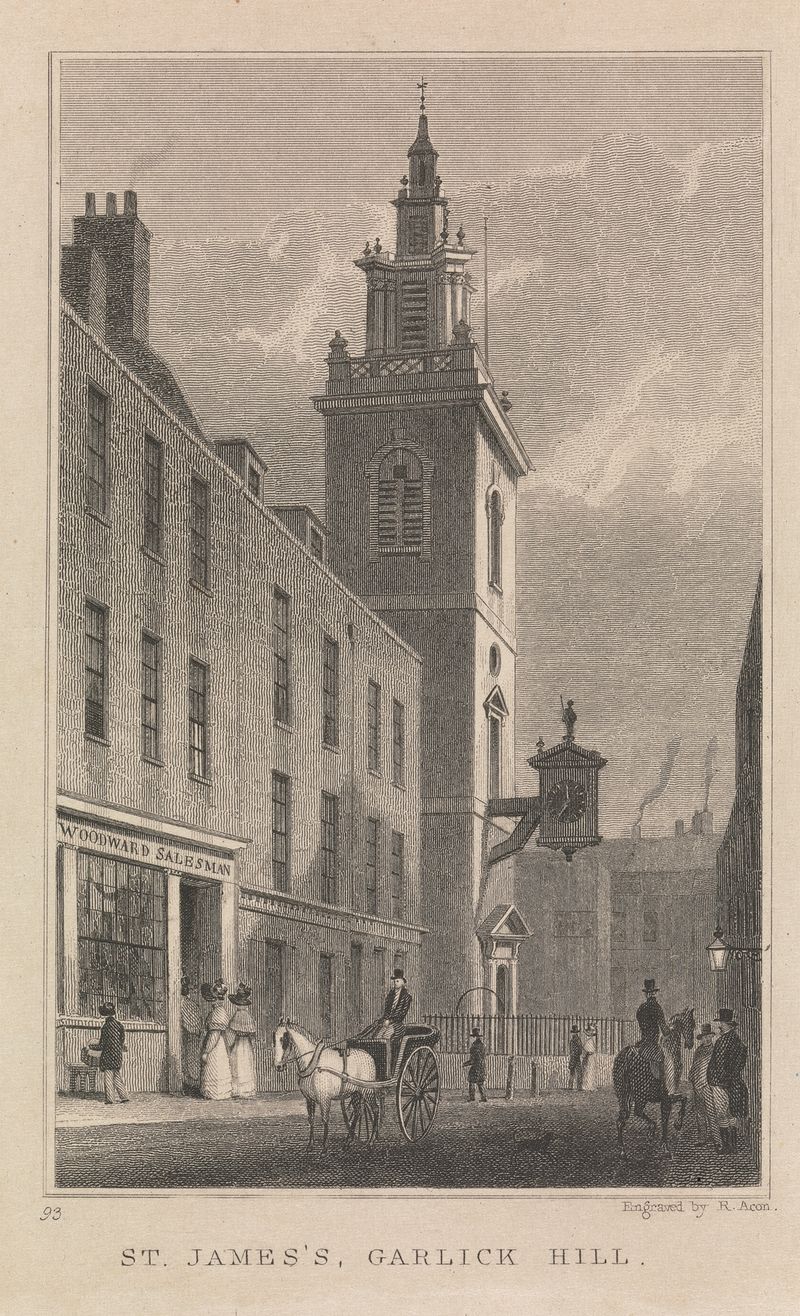
More Architecture Art
Browse all →
The statue of Liberty
Frédéric Auguste Bartholdi

View of Houses in Delft, Known as ‘The Little Street’
Johannes Vermeer

View of Houses in Delft, Known as ‘The Little Street’
Johannes Vermeer

The Cathedral in Rouen. The portal, Grey Weather
Claude Monet

The yellow house
Vincent van Gogh

The Church in Auvers-sur-Oise, View from the Chevet
Vincent van Gogh