
St Jerome beside a pollard willow — History & Facts
Can paint confess what words never could? In St Jerome beside a pollard willow, the stillness of a solitary figure invites us into a world of introspection and revelation, where visual elements speak to the soul’s deepest ponderings. Look to the left at the weathered visage of St. Jerome, illuminated by a gentle yet penetrating light that caresses his furrowed brow. The warm tones of the palette evoke a sense of earthly humility, contrasting against the deep shadows that cradle the scene.
Notice how the gnarled branches of the willow behind him rise like a natural cathedral, arching protectively around the saint, while the meticulously rendered texture of the bark draws you in, emphasizing the solidity of his solitude. In this moment, the juxtaposition of St. Jerome’s intense gaze and the delicate fragility of the willow suggests a profound tension between wisdom and vulnerability. The gentle light serves not only as a source of illumination but as a symbol of divine insight, hinting at the inner turmoil of a man burdened by knowledge and faith.
Rembrandt captures the essence of a soul wrestling with its purpose, allowing viewers to explore their own existential uncertainties through the stillness of the painting. In 1648, Rembrandt created this work during a period of personal and professional strife, facing mounting debts and loss. This was a time when the artist’s reputation was waning, yet his exploration of human emotion reached new depths, revolutionizing the portrayal of biblical subjects. The painting embodies the complexity of the human experience, reflecting Rembrandt's own struggles while echoing the broader transformations occurring in the art world.
More Artworks by Rembrandt van Rijn
Browse all →
The Night Watch Militia Company of District II under the Command of Captain Frans Banninck Cocq
Rembrandt van Rijn

The Return of the Prodigal Son
Rembrandt van Rijn

The Hundred Guilder Print: the figures leaning on the wall in the centre left
Rembrandt van Rijn

The Hundred Guilder Print: the central piece with Christ preaching, the plate arched
Rembrandt van Rijn

Isaac and Rebecca, Known as ‘The Jewish Bride’
Rembrandt van Rijn
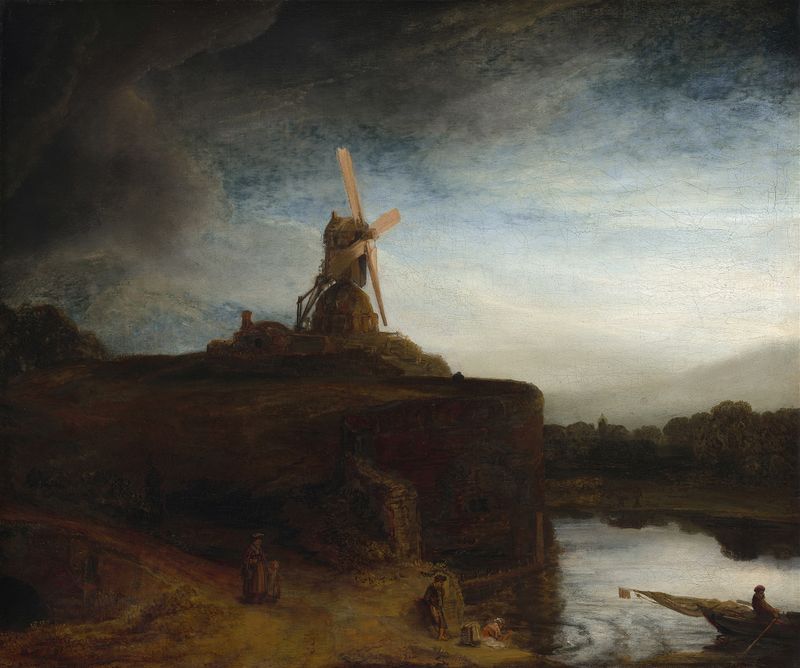
The Mill
Rembrandt van Rijn

The Sampling Officials of the Amsterdam Drapers’ Guild, Known as ‘The Syndics’
Rembrandt van Rijn

The return of the prodigal son
Rembrandt van Rijn
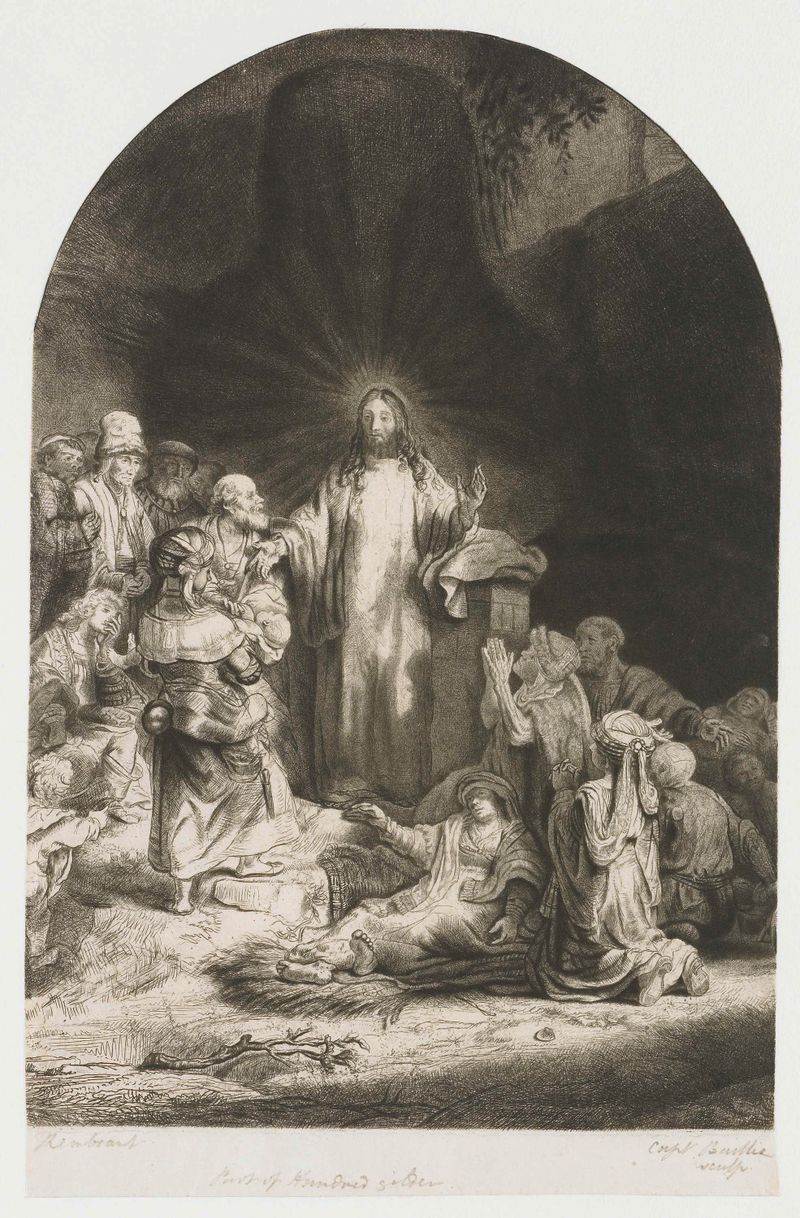
The Hundred Guilder Print: the central piece with Christ preaching, the plate arched
Rembrandt van Rijn

The Hundred Guilder Print: the man seen on the back in the lower left corner
Rembrandt van Rijn
More Religious Art
Browse all →The Return of the Prodigal Son
Rembrandt van Rijn

The Garden of Earthly Delights
El Bosco

Count Orgaz’ funeral
El Greco
The Hundred Guilder Print: the central piece with Christ preaching, the plate arched
Rembrandt van Rijn

The Descent from the Cross
Rogier van der Weyden
The return of the prodigal son
Rembrandt van Rijn