
St Jerome in a dark chamber — History & Facts
In St Jerome in a Dark Chamber, light dances upon a figure consumed by contemplation, cradling the weight of mortality in a world dimmed by shadow. The profound silence envelops the scene, forcing introspection, inviting viewers to witness the intimate act of reflection and the fragility of existence. Look to the left at the stark illumination illuminating Jerome's somber face, where each brushstroke reveals lines of wisdom and fatigue. The warm, earthy tones contrast sharply with the darkness surrounding him, emphasizing his isolation in thought.
Notice how the flickering candlelight casts elongated shadows that mingle with the folds of his robe, creating an ethereal quality that both reveals and obscures, much like the mysteries of life and death he grapples with. Delve deeper into the elements of this work, and you will find symbols entwined with the theme of mortality. The skull resting on the desk serves not just as a memento mori, but also as a reminder of the transient nature of knowledge and existence. The subtle interplay of light and shadow suggests a tension between the search for enlightenment and the encroaching darkness of oblivion, reminding us that understanding often dwells in the silence between thoughts. In 1642, Rembrandt was at the height of his artistic career in Amsterdam, thriving amidst a flourishing art market.
The city was alive with ideas, engaging with profound themes of human experience, spirituality, and the passage of time. During this period, the artist was drawn to intricate psychological portrayals, and in this work, he sought to encapsulate the complexity of the human soul, forever wrestling with its mortality.
More Artworks by Rembrandt van Rijn
Browse all →
The Night Watch Militia Company of District II under the Command of Captain Frans Banninck Cocq
Rembrandt van Rijn

The Return of the Prodigal Son
Rembrandt van Rijn

The Hundred Guilder Print: the figures leaning on the wall in the centre left
Rembrandt van Rijn

The Hundred Guilder Print: the central piece with Christ preaching, the plate arched
Rembrandt van Rijn

Isaac and Rebecca, Known as ‘The Jewish Bride’
Rembrandt van Rijn
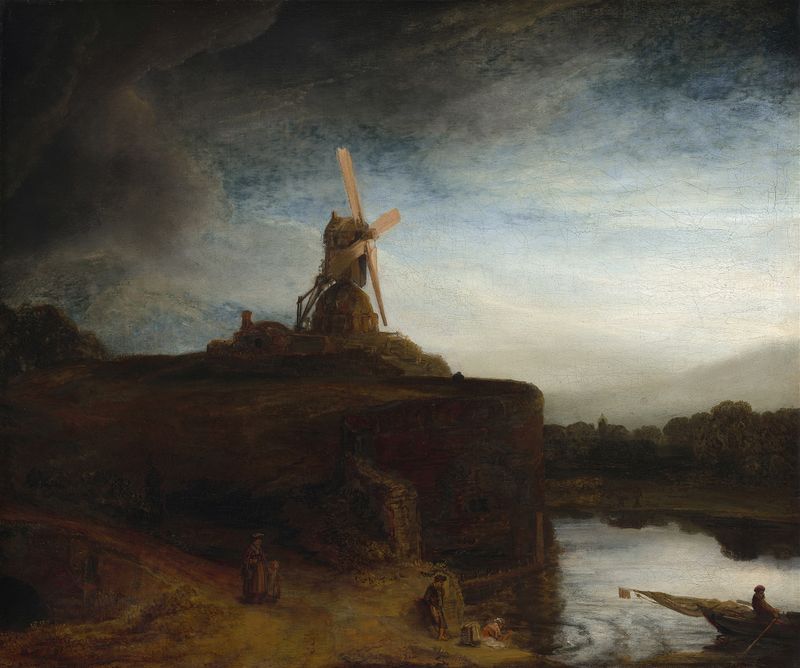
The Mill
Rembrandt van Rijn

The Sampling Officials of the Amsterdam Drapers’ Guild, Known as ‘The Syndics’
Rembrandt van Rijn

The return of the prodigal son
Rembrandt van Rijn
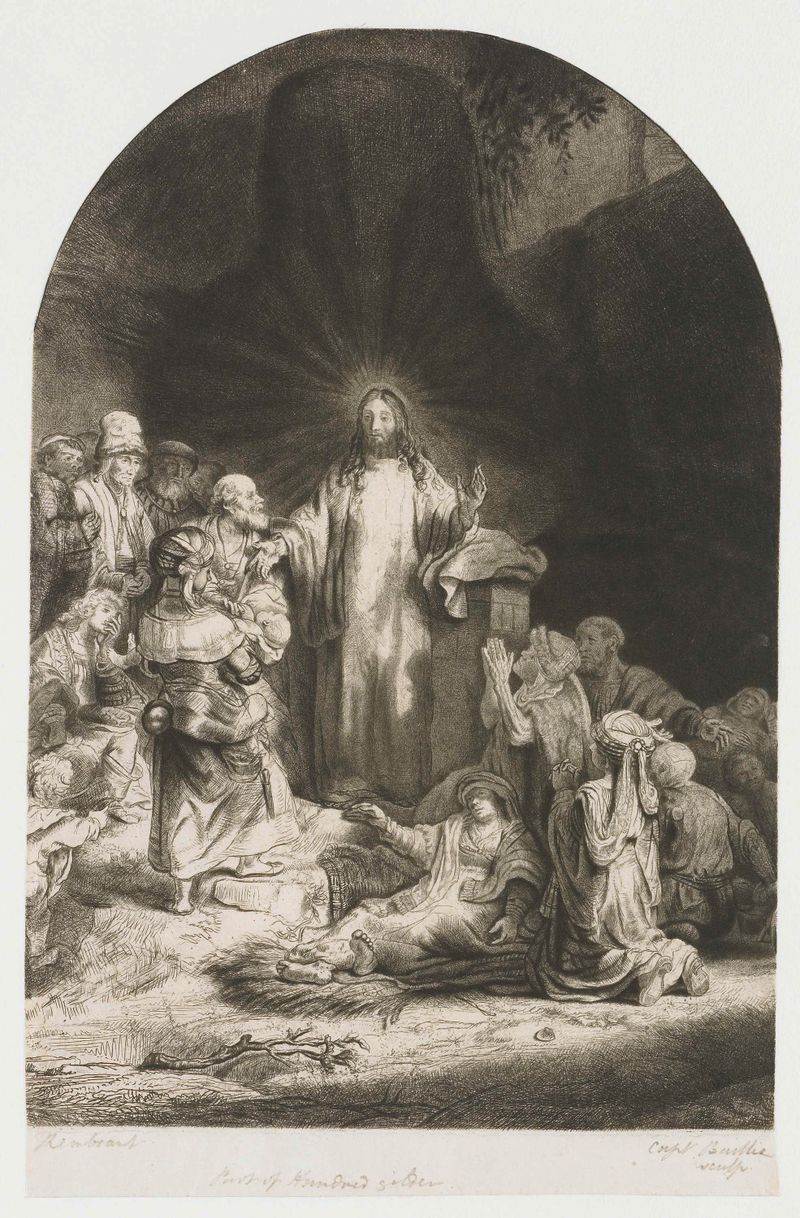
The Hundred Guilder Print: the central piece with Christ preaching, the plate arched
Rembrandt van Rijn

The Hundred Guilder Print: the man seen on the back in the lower left corner
Rembrandt van Rijn
More Religious Art
Browse all →The Return of the Prodigal Son
Rembrandt van Rijn

The Garden of Earthly Delights
El Bosco

Count Orgaz’ funeral
El Greco
The Hundred Guilder Print: the central piece with Christ preaching, the plate arched
Rembrandt van Rijn

The Descent from the Cross
Rogier van der Weyden
The return of the prodigal son
Rembrandt van Rijn