
St Jerome praying: arched — History & Facts
Is this a mirror — or a memory? In St Jerome praying: arched, an intimate moment unfolds, revealing the profound solitude and introspection of the human spirit. Focus on the solemn figure of St. Jerome, bathed in a soft, golden light that seems to emanate from within. Look closely at his furrowed brow and clasped hands, a testament to his deep concentration and fervent prayer.
The arch above him frames the scene, creating a sanctuary that enhances the solitude, while the muted tones of ochre and shadow draw the eye to the delicate interplay of light and texture on his skin, accentuating the weight of his contemplation. There is an exquisite tension between the physical and the spiritual here. The contrasting light captures a fleeting moment of divine connection, while the darker edges of the canvas evoke the depths of human longing. Jerome's weathered features reflect not just wisdom but also a yearning for understanding, as if he is conversing with a distant, ineffable truth.
Each brushstroke conveys a palpable sense of devotion, inviting viewers to reflect on their own quests for meaning. In 1632, Rembrandt painted this piece during a prolific period in Amsterdam, where he was establishing himself as a master. Influenced by his studies of Caravaggio and the burgeoning Baroque style, he sought to convey complex emotions and human experiences through his work. This painting, rooted in religious contemplation, encapsulates a moment of both personal and artistic exploration amidst the dynamic landscape of 17th-century art.
More Artworks by Rembrandt van Rijn
Browse all →
The Night Watch Militia Company of District II under the Command of Captain Frans Banninck Cocq
Rembrandt van Rijn

The Return of the Prodigal Son
Rembrandt van Rijn

The Hundred Guilder Print: the figures leaning on the wall in the centre left
Rembrandt van Rijn

The Hundred Guilder Print: the central piece with Christ preaching, the plate arched
Rembrandt van Rijn

Isaac and Rebecca, Known as ‘The Jewish Bride’
Rembrandt van Rijn
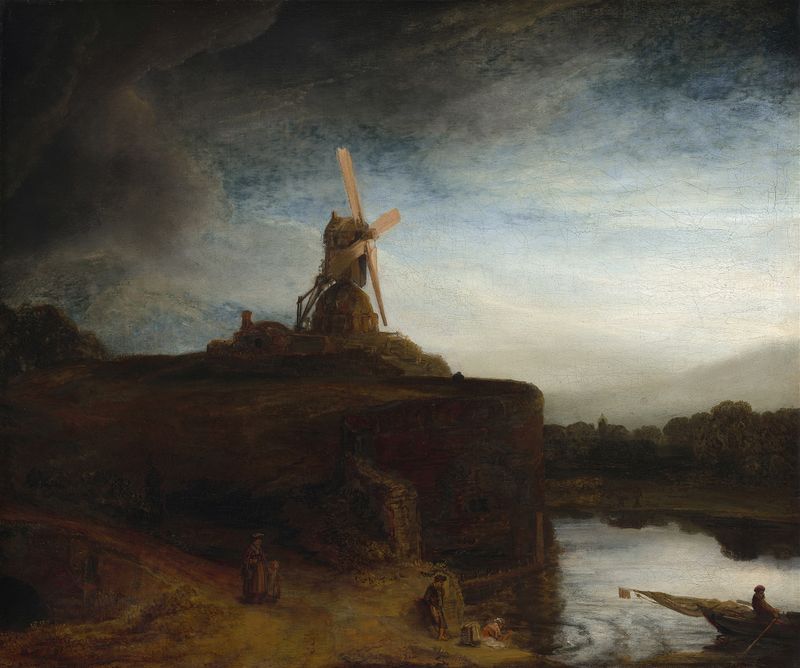
The Mill
Rembrandt van Rijn

The Sampling Officials of the Amsterdam Drapers’ Guild, Known as ‘The Syndics’
Rembrandt van Rijn

The return of the prodigal son
Rembrandt van Rijn
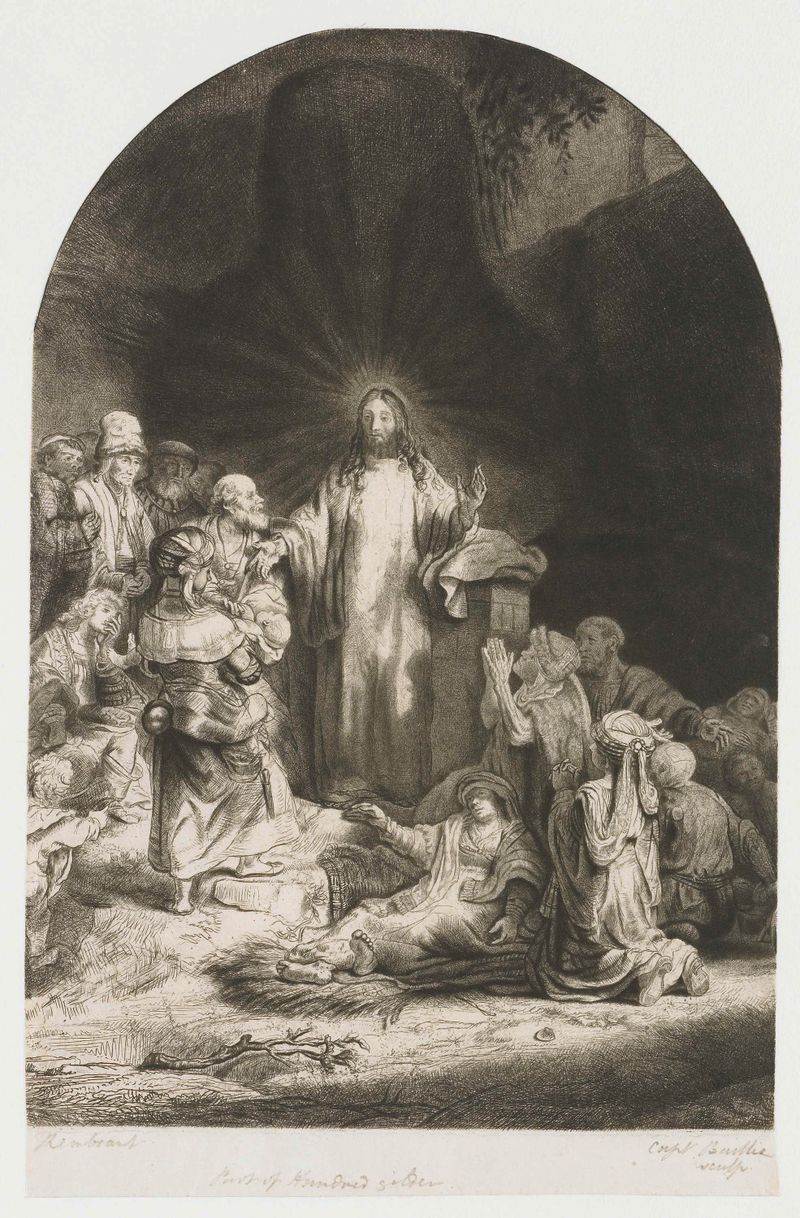
The Hundred Guilder Print: the central piece with Christ preaching, the plate arched
Rembrandt van Rijn

The Hundred Guilder Print: the man seen on the back in the lower left corner
Rembrandt van Rijn
More Religious Art
Browse all →The Return of the Prodigal Son
Rembrandt van Rijn

The Garden of Earthly Delights
El Bosco

Count Orgaz’ funeral
El Greco
The Hundred Guilder Print: the central piece with Christ preaching, the plate arched
Rembrandt van Rijn

The Descent from the Cross
Rogier van der Weyden
The return of the prodigal son
Rembrandt van Rijn