
St Jerome praying: arched — History & Facts
What secret hides in the quiet of the canvas? In Rembrandt's St Jerome praying: arched, the stillness envelops the viewer, echoing the solitude of reflection and loss. Focus first on the solemn figure of St. Jerome, slightly off-center, illuminated by a soft, divine light that bathes his weathered features. The deep chiaroscuro contrasts the dark background, emphasizing the intensity of his prayerful gaze.
Notice how the folds of his robe cascade down, heavy with the weight of his thoughts, while the minimal palette of browns and ochres adds to the profound sense of contemplation. Delve deeper, and you’ll see the book at his side, a symbol of knowledge and faith, yet it stands closed, hinting at a world of unanswered questions. The touch of his hand against his cheek suggests a longing for understanding, pulling at the heartstrings of anyone who has grappled with grief or doubt. The stillness of the scene becomes a powerful vessel for the emotions that resonate between the lines of scripture and the silence of prayer. In 1632, when this work was created, Rembrandt was establishing himself in Amsterdam, navigating personal and professional trials.
The art world was buzzing with innovation, yet the artist often found himself reflecting on themes of loss and redemption, drawing inspiration from biblical figures to explore the human condition. This poignant piece encapsulates not only St. Jerome’s spiritual journey but also the artist’s own exploration of faith amidst his struggles.
More Artworks by Rembrandt van Rijn
Browse all →
The Night Watch Militia Company of District II under the Command of Captain Frans Banninck Cocq
Rembrandt van Rijn

The Return of the Prodigal Son
Rembrandt van Rijn

The Hundred Guilder Print: the figures leaning on the wall in the centre left
Rembrandt van Rijn

The Hundred Guilder Print: the central piece with Christ preaching, the plate arched
Rembrandt van Rijn

Isaac and Rebecca, Known as ‘The Jewish Bride’
Rembrandt van Rijn
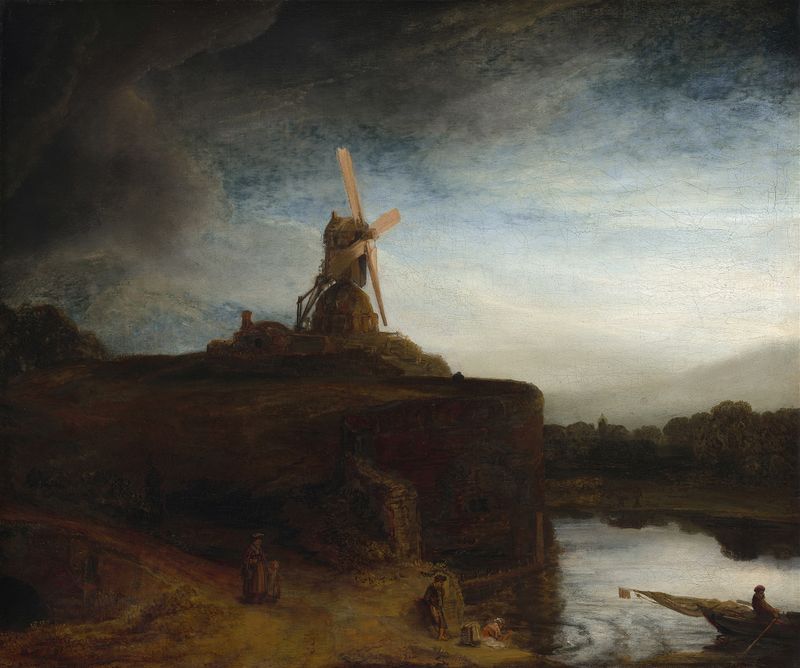
The Mill
Rembrandt van Rijn

The Sampling Officials of the Amsterdam Drapers’ Guild, Known as ‘The Syndics’
Rembrandt van Rijn

The return of the prodigal son
Rembrandt van Rijn
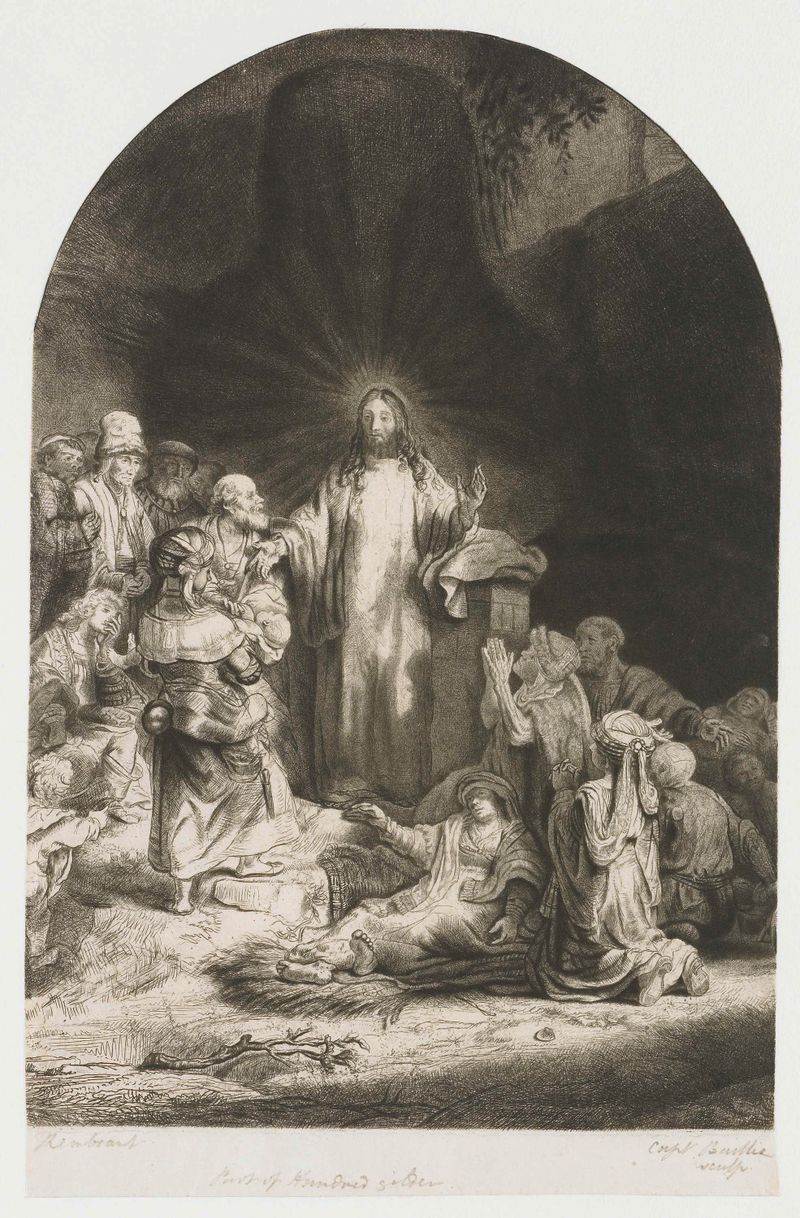
The Hundred Guilder Print: the central piece with Christ preaching, the plate arched
Rembrandt van Rijn

The Hundred Guilder Print: the man seen on the back in the lower left corner
Rembrandt van Rijn
More Religious Art
Browse all →The Return of the Prodigal Son
Rembrandt van Rijn

The Garden of Earthly Delights
El Bosco

Count Orgaz’ funeral
El Greco
The Hundred Guilder Print: the central piece with Christ preaching, the plate arched
Rembrandt van Rijn

The Descent from the Cross
Rogier van der Weyden
The return of the prodigal son
Rembrandt van Rijn