St. Michael’s Hill, Bristol — History & Facts
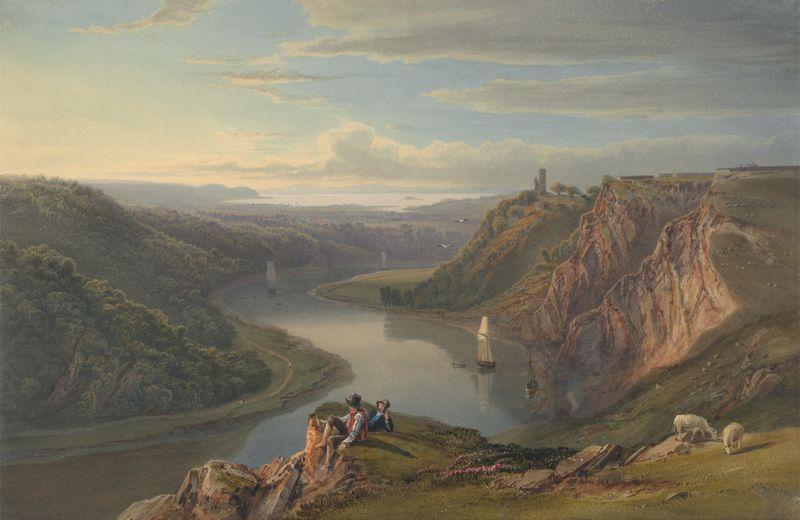
What secret hides in the quiet of the canvas? In a world where bustling cities often drown out whispers of history, this work invites us to pause, breathe, and reflect on the awe embedded in the stillness of its landscape. Focus your gaze on the sweeping vista before you, where the rolling hills cradle the quaint buildings of Bristol. The artist masterfully employs a delicate palette, blending soft greens and warm earth tones that evoke a sense of harmony and tranquility. Notice how the gentle play of light bathes the scene, casting long shadows and illuminating the textured surfaces of the houses, bringing each structure to life against the backdrop of an expansive sky. A tension emerges in the juxtaposition of the picturesque landscape and the hints of human presence.
The meandering path leads the viewer’s eye deeper into the scene, suggesting a journey not just through space but through time. Each appearing figure, small and distant, embodies stories of the past, while the expansive surroundings evoke a larger narrative of nature and civilization coexisting in wonder. This balance between man-made and natural beauty reveals a profound reverence for the world’s mysteries. In 1824, during a period marked by the Industrial Revolution in England, the artist captured this serene view of St.
Michael’s Hill. Samuel Jackson was experiencing the burgeoning changes in society, yet he chose to immortalize a landscape that speaks to a slower pace of life. In doing so, he not only documented a moment in time but also reflected on the timelessness of nature’s awe amidst the march of progress.