
St. Nicholas’s Island off Mount Edgecombe — History & Facts
Who listens when art speaks of silence? In St. Nicholas’s Island off Mount Edgecombe, the stillness of the landscape carries an unsettling tension, as the viewer is drawn to the quiet violence simmering beneath the surface. Look to the left at the delicate brushstrokes that define the island’s craggy shoreline, where sharp rocks jut out like a warning. Notice how the soft hues of dusk blend the sky with the water, creating a sense of tranquility that contradicts hidden turmoil.
The vibrant greens of the lush vegetation against the muted backdrop suggest life, yet the isolation of the island evokes a haunting solitude, reflecting the artist's profound awareness of nature's duality. The juxtaposition of light and shadow plays a pivotal role in conveying the emotional landscape. While the golden sun dips toward the horizon, the looming darkness of the island's edges hints at lurking dangers, reminiscent of stories untold. Each wave that laps quietly against the shore carries whispers of history, while the gentle breeze stirs a sense of foreboding, urging the viewer to confront the tension between beauty and brutality in human experience. Capt.
Francis Grose painted this work in 1768 while navigating the evolving artistic landscape of 18th-century England, characterized by a growing interest in the sublime and the picturesque. During this period, he was both a military officer and an artist, producing landscapes that reflect a fascination with the natural world, yet often hint at the complexities and contradictions that lie beneath their serene appearances.
More Artworks by Capt. Francis Grose
Browse all →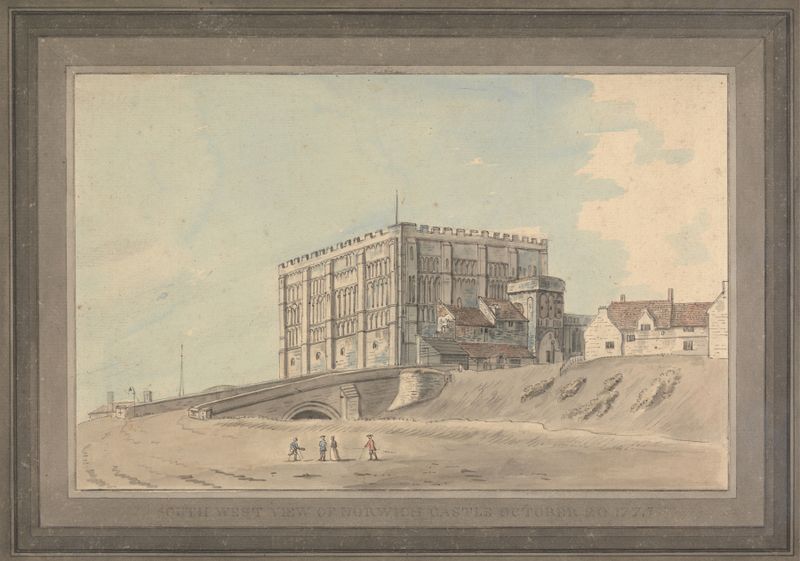
South West View of Norwich Castle
Capt. Francis Grose
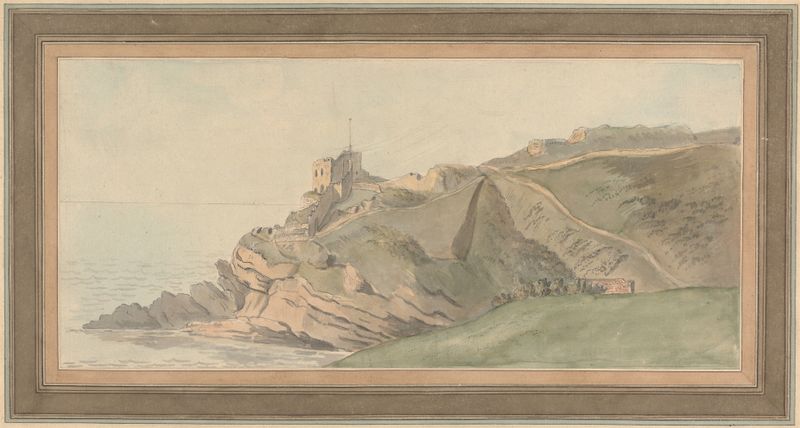
St. Catherine’s Castle at Fowey, Cornwall
Capt. Francis Grose

Canterbury Cathedral, Kent
Capt. Francis Grose
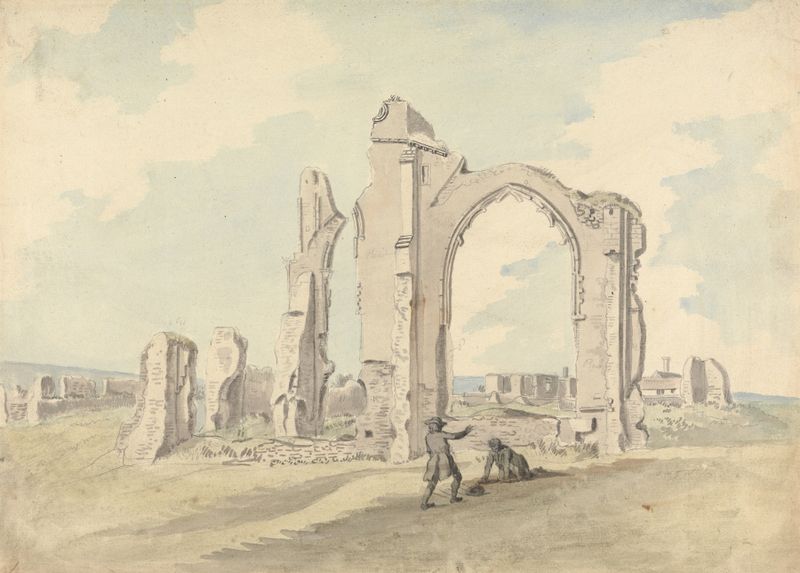
St. Mary’s Priory, Thetford
Capt. Francis Grose

Languard Fort on the River Orwell
Capt. Francis Grose

Mitford Castle, Northumberland
Capt. Francis Grose
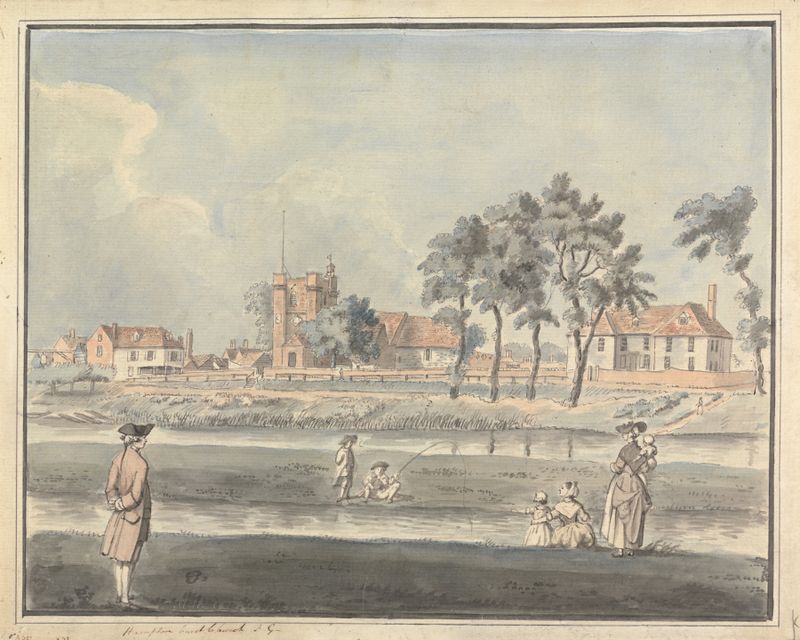
Hampton Court Church
Capt. Francis Grose

Chapel of St. Michael’s Mount
Capt. Francis Grose
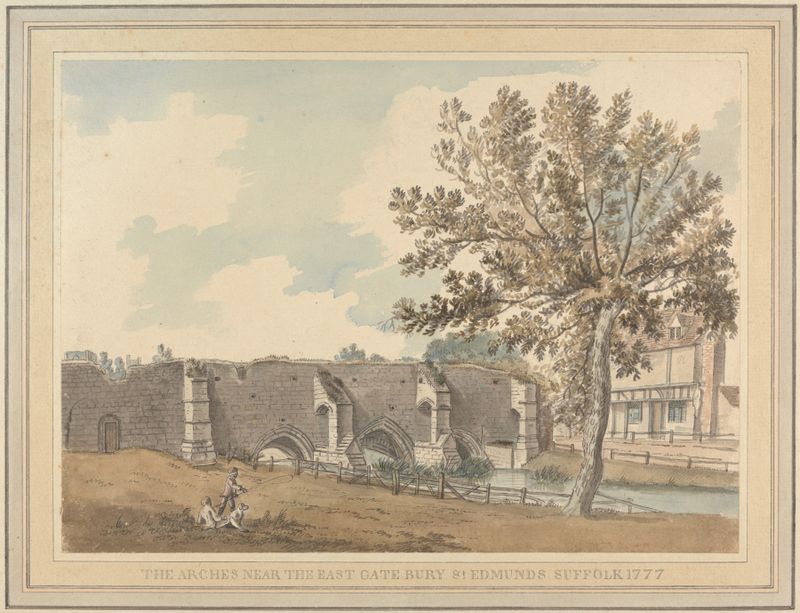
The Arches Near the East Gate, Bury St. Edmunds Suffolk
Capt. Francis Grose

Norham Castle, Northumberland
Capt. Francis Grose





