
St Peter in penitence — History & Facts
Can beauty exist without sorrow? In Rembrandt’s St Peter in Penitence, we witness the convergence of regret and grace, a delicate balance that invites contemplation on the passage of time and the weight of the human spirit. Look to the left where the figure of St. Peter, drenched in shadow, emerges from the darkness. The soft glow of light cascades onto his tear-streaked face, illuminating the profound sorrow etched in his features.
Notice how the contrasting dark background amplifies the emotional intensity, drawing your gaze to the deep wrinkles and furrowed brow that reflect his inner turmoil. The rich palette of earthy tones emphasizes the gravity of the moment, grounding the viewer in a narrative of redemption. Within this poignant portrayal lies the tension between despair and hope. The crucifix, barely visible in the background, serves as a silent reminder of faith and sacrifice, while Peter’s clasped hands signify a yearning for forgiveness.
The play of light and shadow further intensifies the emotional depth, underscoring the struggle between spiritual awakening and earthly regret. Each brushstroke seems to whisper secrets of personal reflection, allowing viewers to connect deeply with the universal themes of guilt and absolution. In the mid-1640s, Rembrandt was navigating both personal and professional challenges, including the loss of his beloved wife and mounting financial difficulties. Painted during a transformative period in the Dutch Golden Age, St Peter in Penitence reflects not only the artist’s introspective journey but also the evolving landscape of art, where emotional depth and psychological complexity started to take precedence over mere representation.
More Artworks by Rembrandt van Rijn
Browse all →
The Night Watch Militia Company of District II under the Command of Captain Frans Banninck Cocq
Rembrandt van Rijn

The Return of the Prodigal Son
Rembrandt van Rijn

The Hundred Guilder Print: the figures leaning on the wall in the centre left
Rembrandt van Rijn

The Hundred Guilder Print: the central piece with Christ preaching, the plate arched
Rembrandt van Rijn

Isaac and Rebecca, Known as ‘The Jewish Bride’
Rembrandt van Rijn
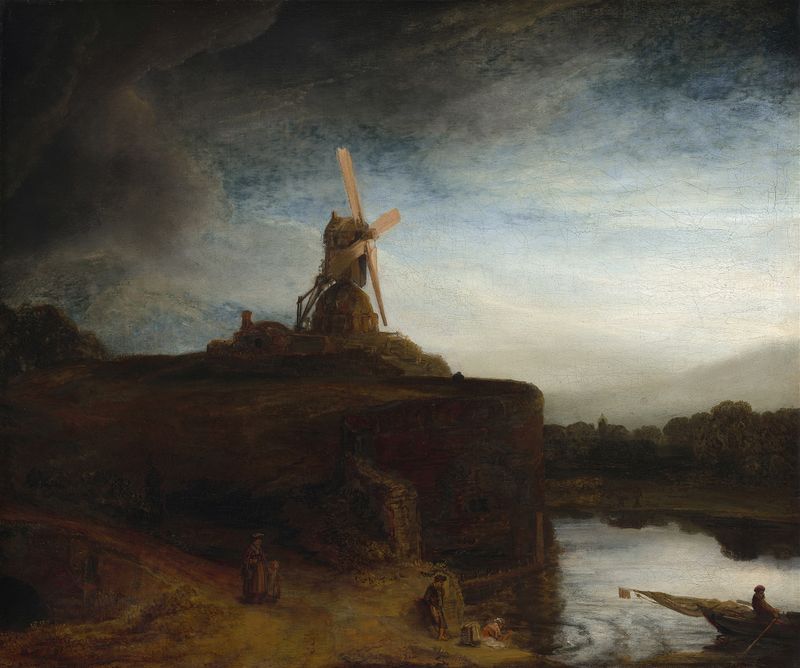
The Mill
Rembrandt van Rijn

The Sampling Officials of the Amsterdam Drapers’ Guild, Known as ‘The Syndics’
Rembrandt van Rijn

The return of the prodigal son
Rembrandt van Rijn
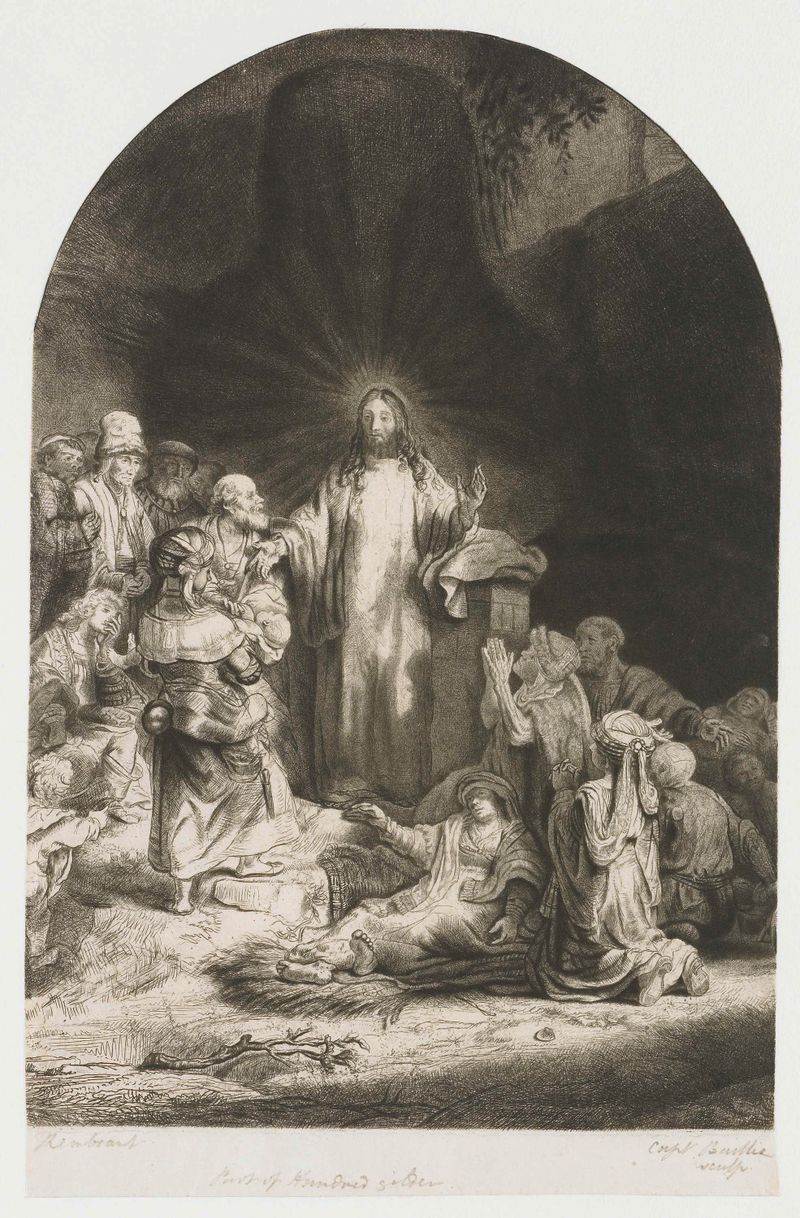
The Hundred Guilder Print: the central piece with Christ preaching, the plate arched
Rembrandt van Rijn

The Hundred Guilder Print: the man seen on the back in the lower left corner
Rembrandt van Rijn
More Religious Art
Browse all →The Return of the Prodigal Son
Rembrandt van Rijn

The Garden of Earthly Delights
El Bosco

Count Orgaz’ funeral
El Greco
The Hundred Guilder Print: the central piece with Christ preaching, the plate arched
Rembrandt van Rijn

The Descent from the Cross
Rogier van der Weyden
The return of the prodigal son
Rembrandt van Rijn