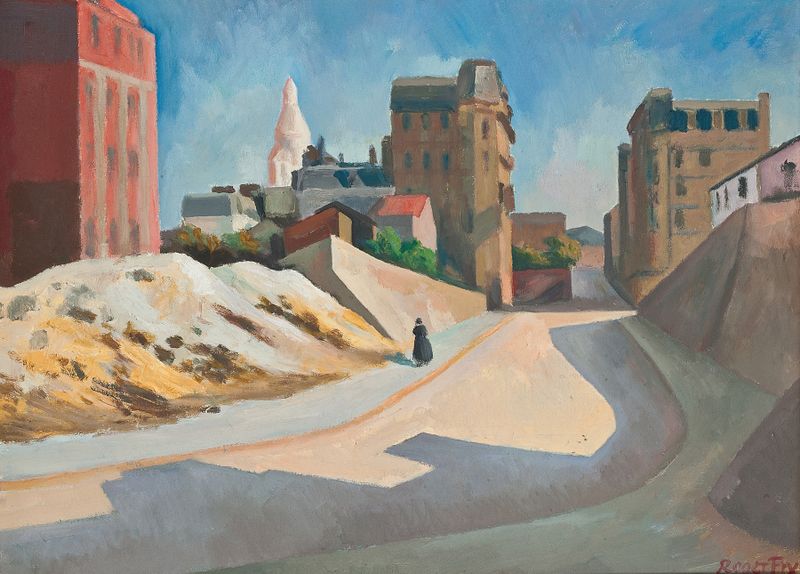
St. Rémy well — History & Facts
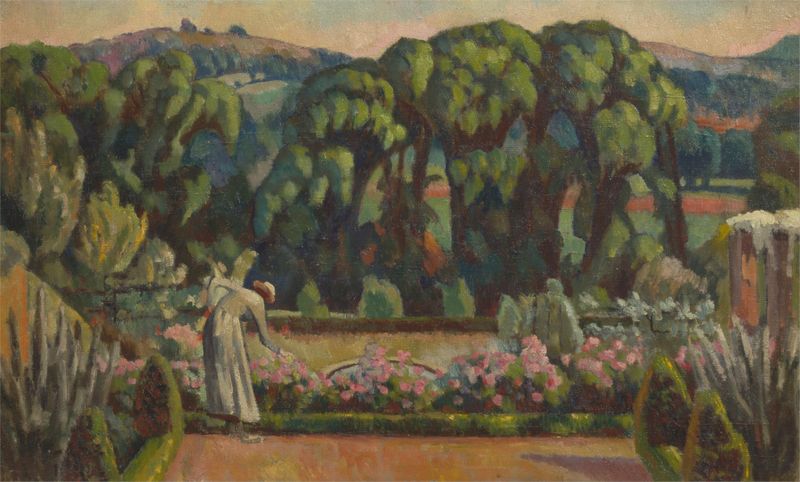
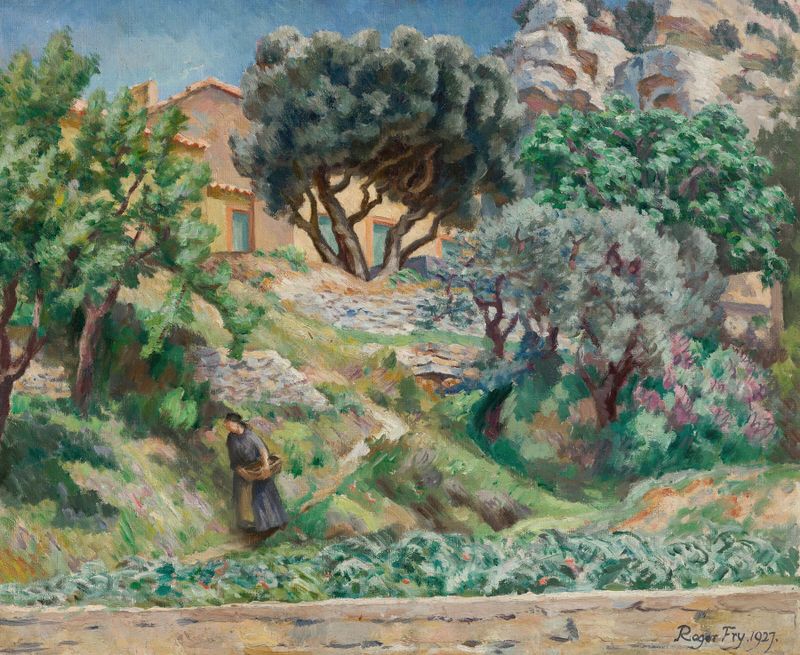
This profound truth resonates deeply in the realm of art, inviting us to explore the delicate interplay of innocence and experience. In the quiet corners of our existence, there lies a longing for purity, often shrouded in complexity. Look to the center of the canvas, where the well draws your eye, its circular form suggesting depth and mystery. The surrounding colors—soft greens and warm ochres—blend harmoniously, creating an atmosphere that feels both tranquil and charged.
Notice how Fry’s brushstrokes evoke a sense of movement, as if the very air around the well is alive. The light spills gently onto the surface, illuminating details that whisper of nature’s hidden beauty and the allure of forgotten moments. Yet, amid this serene scene, there remains an underlying tension. The well, an emblem of nourishment, hints at a deeper yearning for something lost, perhaps innocence itself, while the lush foliage surrounding it serves as a reminder of nature’s cyclical beauty and decay.
Each leaf, each shadow plays its part, weaving a narrative of longing and nostalgia that transcends mere imagery, prompting a reflection on the passage of time and the fragility of youth. In the early 1930s, Roger Fry was immersed in a period of significant personal and artistic evolution. Having settled in England after a career as an art critic and painter, Fry was exploring new forms of expression influenced by his exposure to post-impressionism. *St.
Rémy well* emerged during a time of introspection, encapsulating his fascination with the subtleties of color and form, while also reflecting the broader artistic movements of his time, which challenged the conventional boundaries of beauty and representation.