The Artist’s Garden at Durbins, Guildford — History & Facts
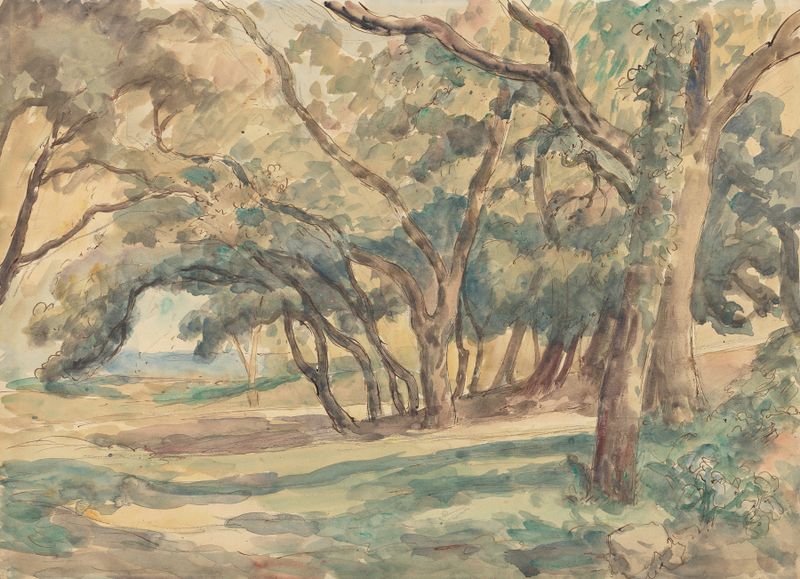
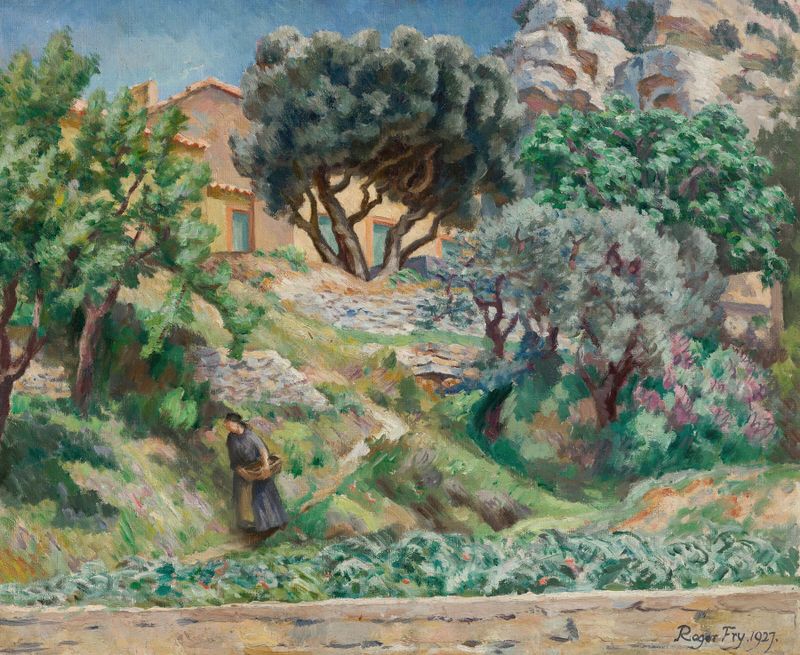
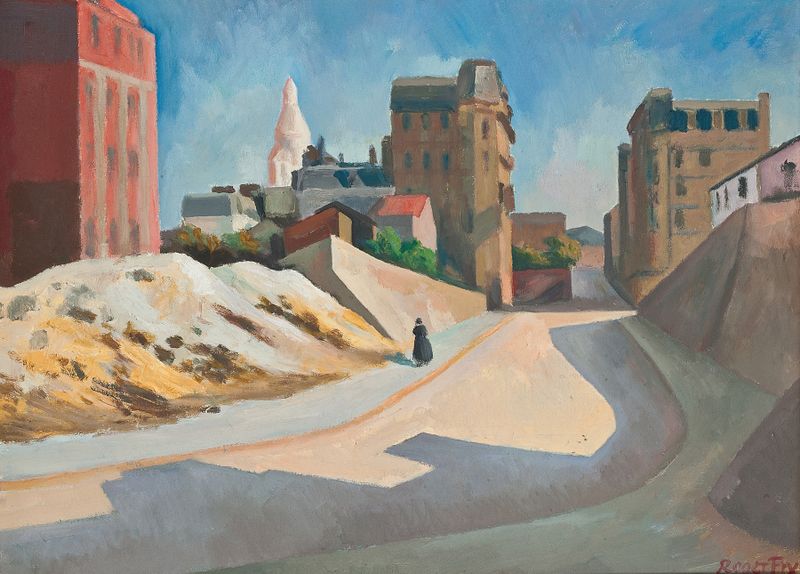
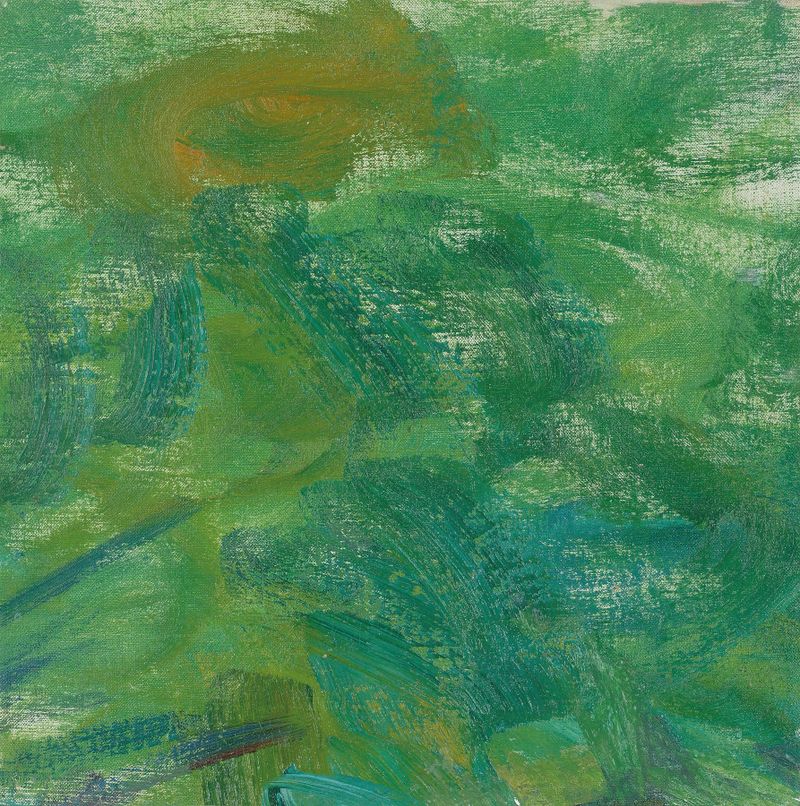
The sun filters through a canopy of lush green leaves, casting playful shadows across a vibrant patchwork of flowers. In the heart of this garden, an artist stands, paintbrush poised, as if capturing the very essence of nature’s desire to bloom. The air is thick with the scent of blossoms and the soft hum of buzzing insects fills the silence, creating a moment suspended in time. Look to the left at the brilliant splashes of color that define the flowerbeds, each hue dancing in harmony with the next.
Notice how the brushwork varies—some strokes are delicate and fine, while others are bold and expressive. The composition invites the viewer’s eye to roam freely, revealing intricate details within the clusters of petals that mirror the artist’s own yearning for beauty. The fluidity of the colors evokes a sense of joy and passion, perfectly encapsulating the garden's vibrant life. Yet, amid this idyllic scene, a tension arises.
The foliage, lush and inviting, contrasts with the artist's solitary figure, suggesting a deeper longing for connection with both nature and creation. The garden thrives, yet the artist remains an observer, hinting at an internal struggle between fulfillment and aspiration. The juxtaposition of vivid blooms and the artist's quiet presence captures the desire not just to create, but to belong within the vibrant tapestry of life. This work was painted by Roger Fry during a period of exploration and transformation in the early 20th century.
Fry, a key figure in the Bloomsbury Group, sought to bridge the gap between art and life, delving into the emotional aspects of color and form. At this time, he was navigating the complexities of modernism, striving to express the profound depths of desire through the very act of creation.