
St. Sulpice Paris, La Grande Tour — History & Facts
Can paint confess what words never could? In St. Sulpice Paris, La Grande Tour, madness pulses through the vibrant hues and intricate brushstrokes, weaving an emotional tapestry that whispers of the chaos and beauty of life itself. Look to the left at the towering spire, its intricate details rendered with a masterful touch that captures both grandeur and fragility. The sun filters through the clouds, bathing the scene in a soft golden light that contrasts against the cool greens and blues of the surrounding landscape.
Notice how the shadows dance along the cobblestones, suggesting a fleeting moment where time stands still amid the bustling energy of Paris. Each stroke of the brush evokes a rhythm, leading the viewer's eye upward, echoing the soaring ambition of the architecture. Beneath the surface, hidden tensions emerge. The lively colors evoke a sense of joy, yet the distorted perspective hints at an underlying madness, a disarray just beneath the surface of everyday life.
The juxtaposition of vibrant life against the stoic monumentality of St. Sulpice draws parallels between the emotional turbulence of existence and the steadfastness of faith. Here, light and shadow are not just physical elements; they embody the dualities of hope and despair, clarity and confusion. In 1900, MacLaughlan painted this piece during a transformative era in the art world, as Impressionism was evolving into new styles and movements.
Living in Paris, he was influenced by the vibrant artistic community and the rapid changes in society. This painting reflects not only his personal exploration of light and form but also the collective search for artistic identity in a world on the brink of modernity.
More Artworks by Donald Shaw MacLaughlan
Browse all →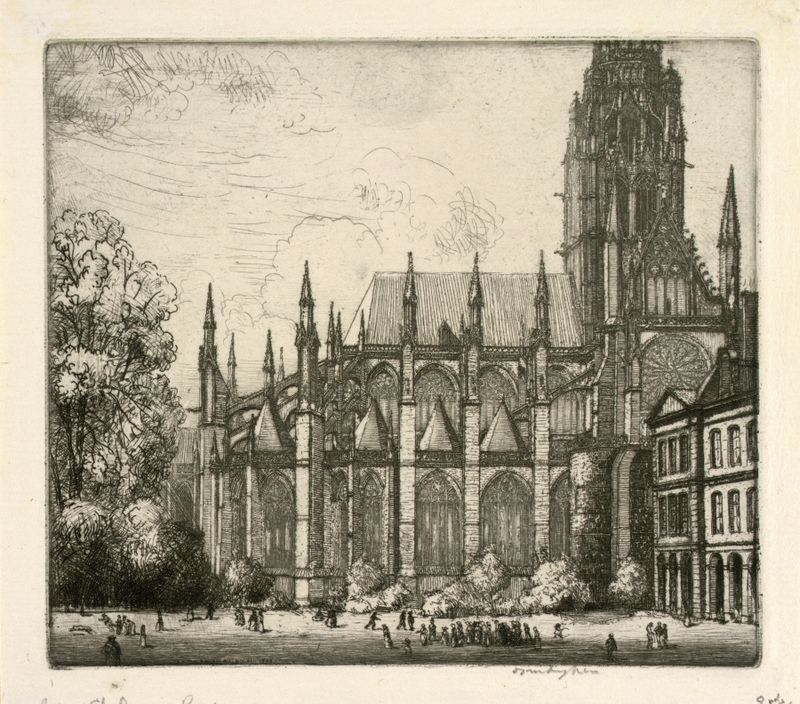
Saint-Ouen, Rouen
Donald Shaw MacLaughlan

Ruelle des Pigeons, Rouen
Donald Shaw MacLaughlan
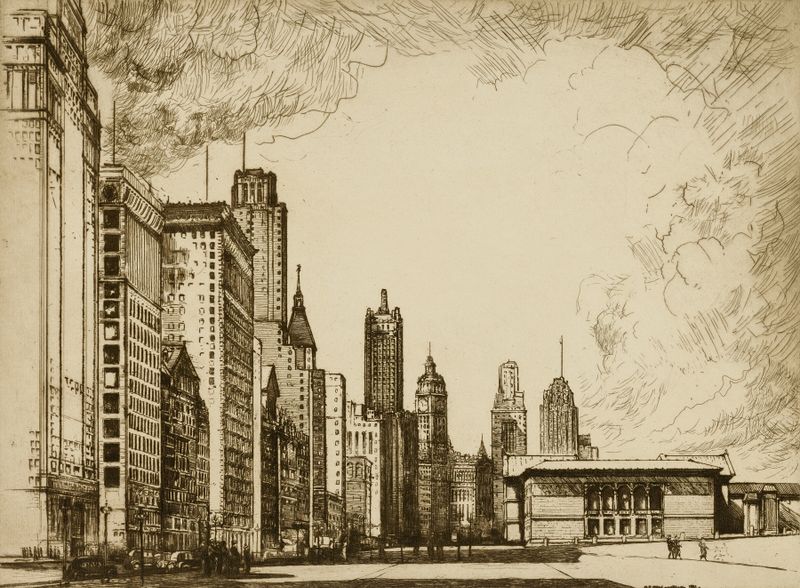
Chicago, Michigan Avenue no. 2
Donald Shaw MacLaughlan
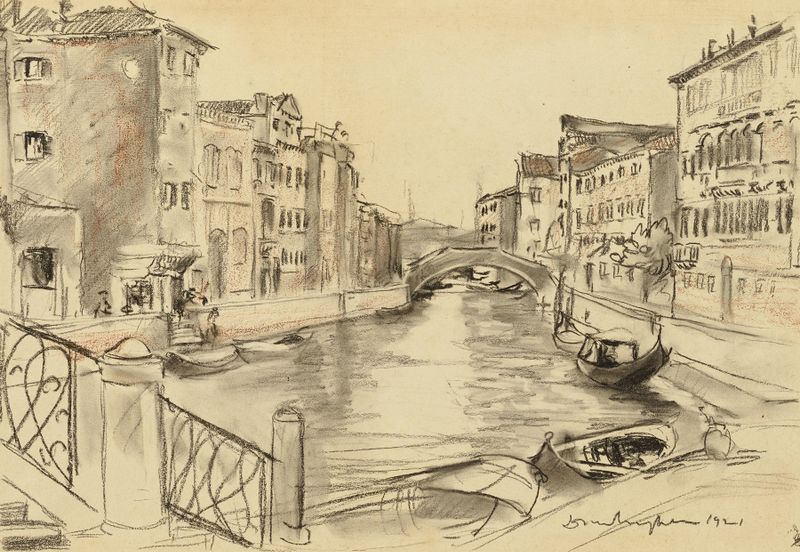
A Canal at Venice
Donald Shaw MacLaughlan
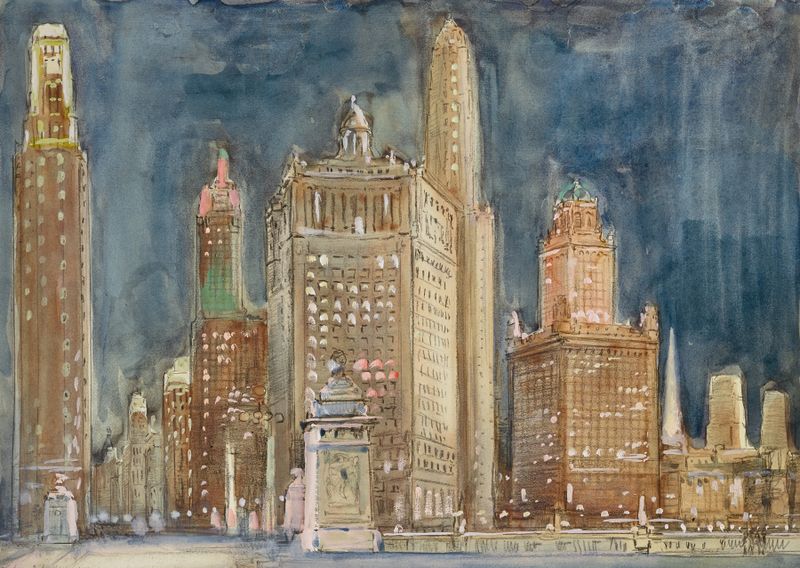
Chicago, London Guaranty Building
Donald Shaw MacLaughlan
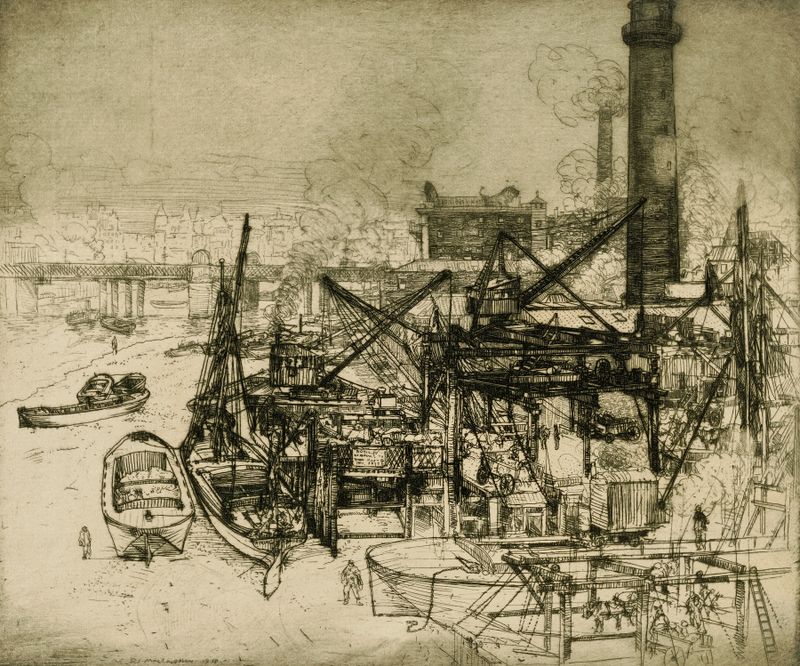
Chimneys and Cranes on the Thames
Donald Shaw MacLaughlan

London on the Thames
Donald Shaw MacLaughlan
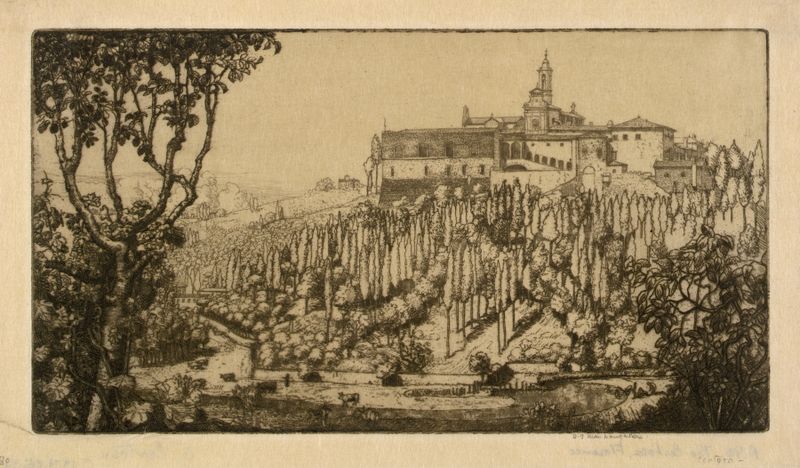
The Certosa, Florence
Donald Shaw MacLaughlan
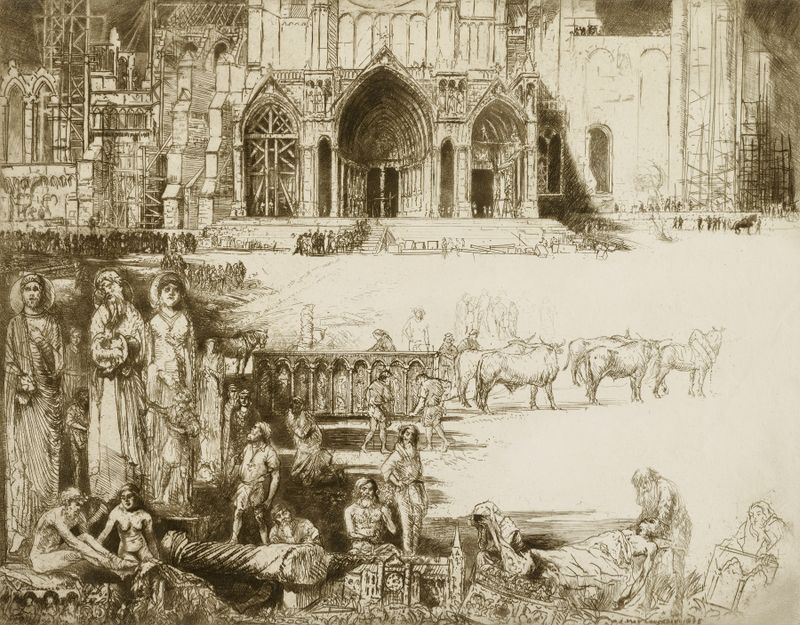
The Builders of Chartres Cathedral
Donald Shaw MacLaughlan

The Canal Life, Venice
Donald Shaw MacLaughlan
More Architecture Art
Browse all →
The statue of Liberty
Frédéric Auguste Bartholdi

View of Houses in Delft, Known as ‘The Little Street’
Johannes Vermeer

View of Houses in Delft, Known as ‘The Little Street’
Johannes Vermeer

The Cathedral in Rouen. The portal, Grey Weather
Claude Monet

The yellow house
Vincent van Gogh

The Church in Auvers-sur-Oise, View from the Chevet
Vincent van Gogh