
Staande Madonna en kind met appel — History & Facts
Can paint confess what words never could? In an era poised on the brink of revolution, art transcends the spoken, offering a glimpse into the sacred and the sublime. Look closely at the gentle figure of the Madonna, her serene expression drawing the viewer in. Notice how the soft light cascades upon her alabaster skin, creating a gentle contrast with the rich, deep hues of her robe. The child, cradled in her arms, clutches an apple, symbolizing innocence and temptation, an emblematic detail that invites contemplative reflection.
Each brushstroke reveals meticulous craftsmanship, with intricate patterns that reflect the artist's devotion to texture and form. Beneath the tranquil surface, complex emotional tensions emerge. The apple, while a sign of divine promise, also evokes the fallibility of humanity. The maternal gaze of the Madonna, protective yet distant, hints at the bittersweet nature of motherhood—a juxtaposition of nurturing care and the inevitable parting.
The background, subtly rendered, serves as a quiet reminder of the world beyond, suggesting a duality between the sacred and the secular. In the late 15th century, a time of significant transformation in the Netherlands, the artist created this piece amidst the rise of humanism and renewed interest in naturalism. Working in an era marked by social upheaval, artistic innovation, and the questioning of established norms, this masterpiece reflects both the spiritual concerns of the time and the evolving identity of art as a medium for deeper truths.
More Artworks by Meester van het Amsterdamse Kabinet
Browse all →
De Heilige Familie bij de rozenstruik
Meester van het Amsterdamse Kabinet

Hertenjacht
Meester van het Amsterdamse Kabinet
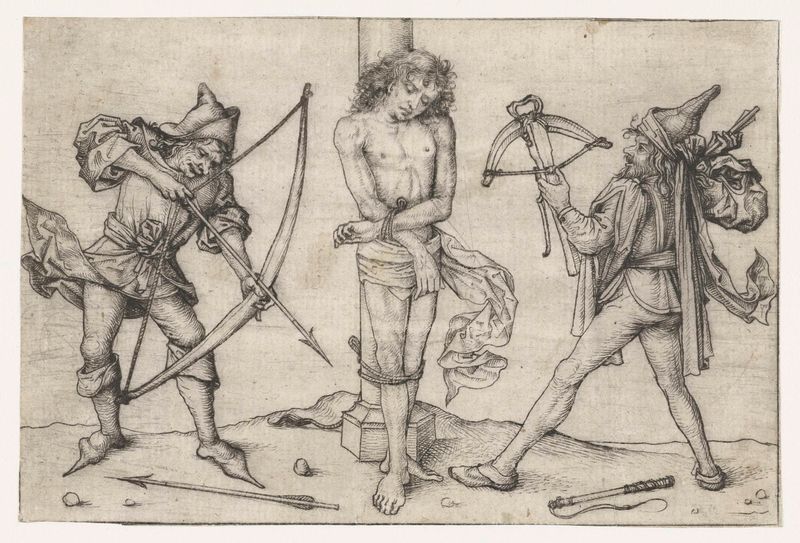
Heilige Sebastiaan met boogschutters
Meester van het Amsterdamse Kabinet

Het lichaam van Christus ondersteund door twee engelen
Meester van het Amsterdamse Kabinet

Heilige Anna-te-Drieën
Meester van het Amsterdamse Kabinet

Heilige Barbara (grote versie)
Meester van het Amsterdamse Kabinet
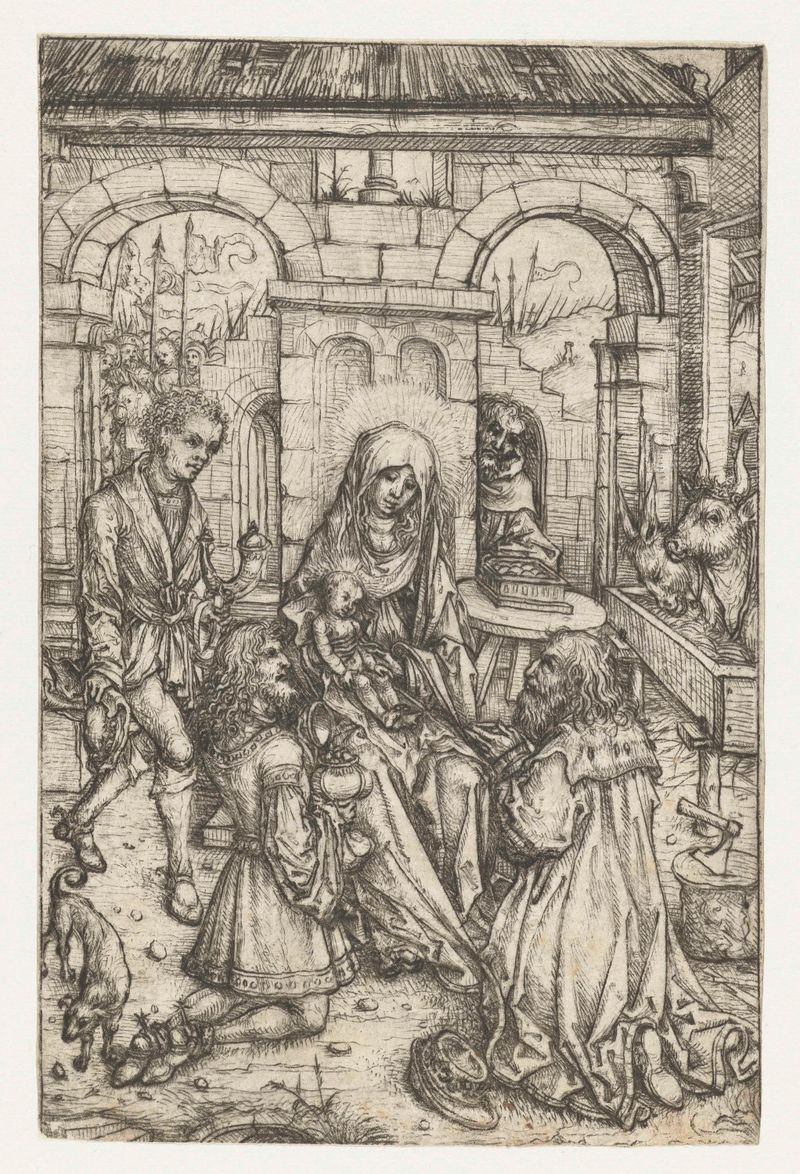
Aanbidding der koningen
Meester van het Amsterdamse Kabinet
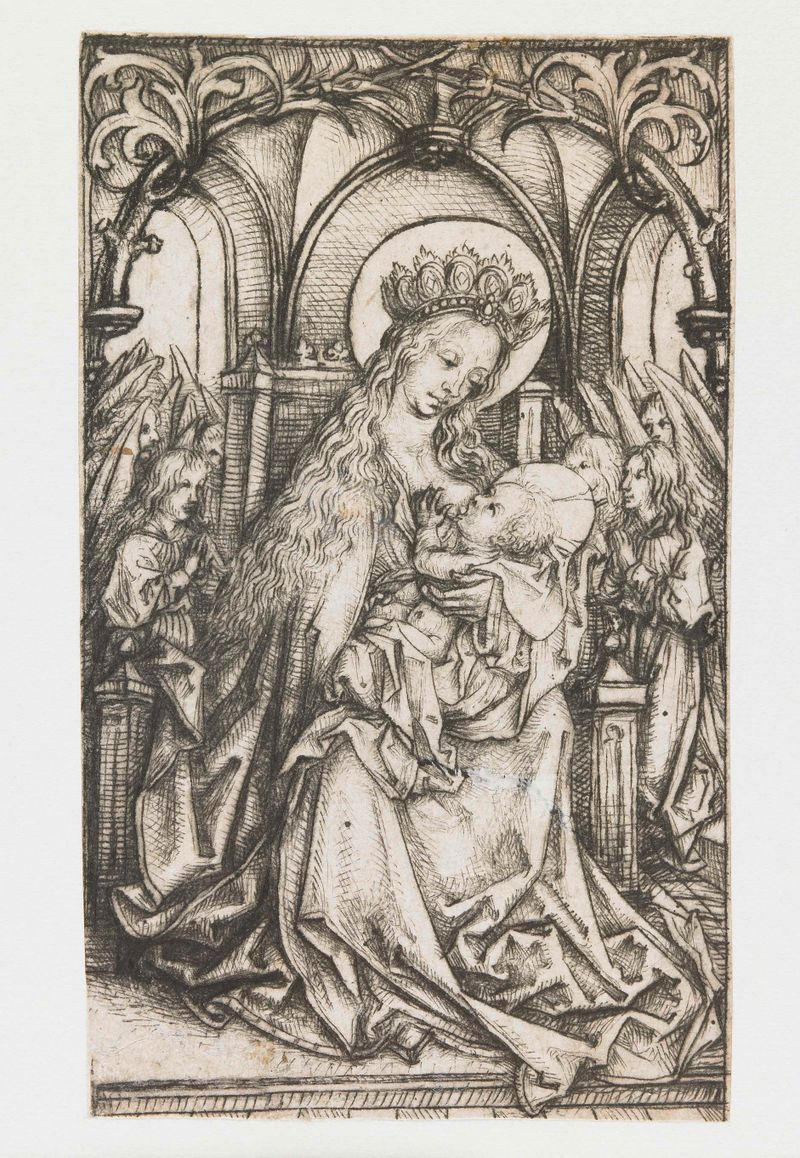
Tronende Madonna door engelen aanbeden
Meester van het Amsterdamse Kabinet

Het zegenend Christuskind
Meester van het Amsterdamse Kabinet
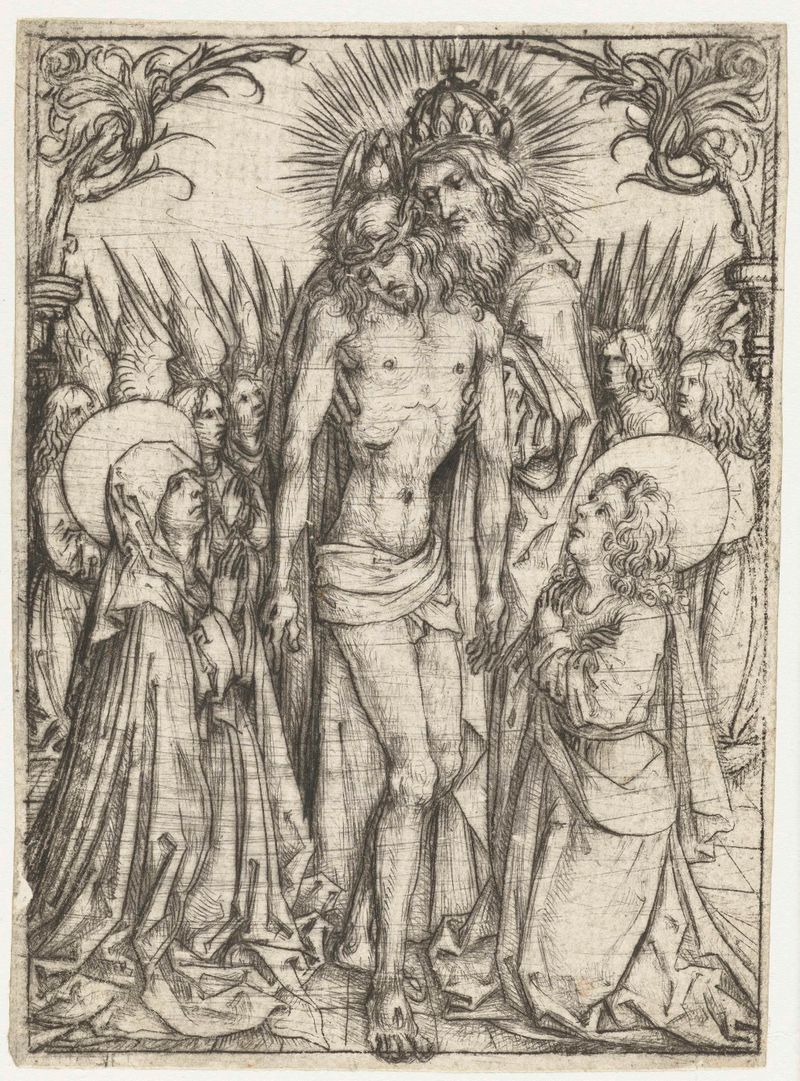
Aanbidding van de Heilige Drieëenheid door Maria, Johannes de Evangelist en engelen
Meester van het Amsterdamse Kabinet
More Religious Art
Browse all →
The Return of the Prodigal Son
Rembrandt van Rijn

The Garden of Earthly Delights
El Bosco

Count Orgaz’ funeral
El Greco

The Hundred Guilder Print: the central piece with Christ preaching, the plate arched
Rembrandt van Rijn

The Descent from the Cross
Rogier van der Weyden

The return of the prodigal son
Rembrandt van Rijn