Discover insights about this artwork
Stag Beetle — History & Facts
In Stag Beetle, Albrecht Dürer presents a detailed depiction of a stag beetle. The artwork features a rich palette of browns and greens, highlighting the insect's natural habitat. The beetle's exoskeleton is rendered with precision, showcasing its intricate textures.
This close-up view invites the viewer to appreciate the beauty of nature. The engraving technique used in Stag Beetle allows for fine lines and detailed patterns. Dürer’s mastery is evident in the careful shading that gives the beetle a three-dimensional appearance. The composition is simple yet effective, focusing solely on the beetle against a minimal background.
This approach emphasizes the subject's natural form and details. Albrecht Dürer was a key figure in the Northern Renaissance, known for his detailed studies of nature. This work, created around 1505, reflects his interest in the natural world and its representation. An interesting fact about Stag Beetle is that it exemplifies Dürer's transition from painting to printmaking, allowing for wider distribution of his work.
Dürer's engravings significantly influenced the development of the medium in Europe.
More Artworks by Albrecht Dürer
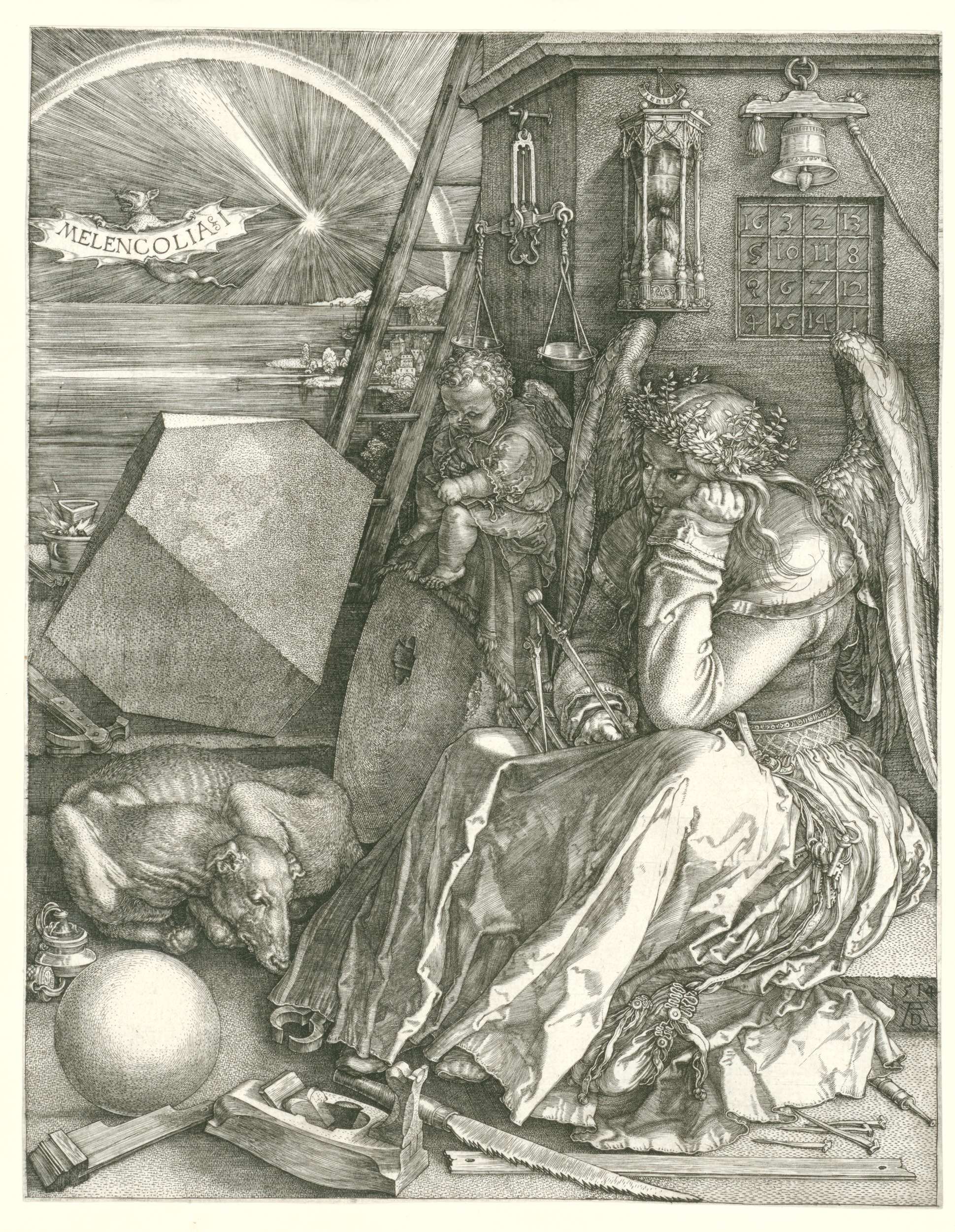
Melancholia
Albrecht Dürer

St. George and the dragon.
Albrecht Dürer

Adam and Eve (The Fall of Man)
Albrecht Dürer
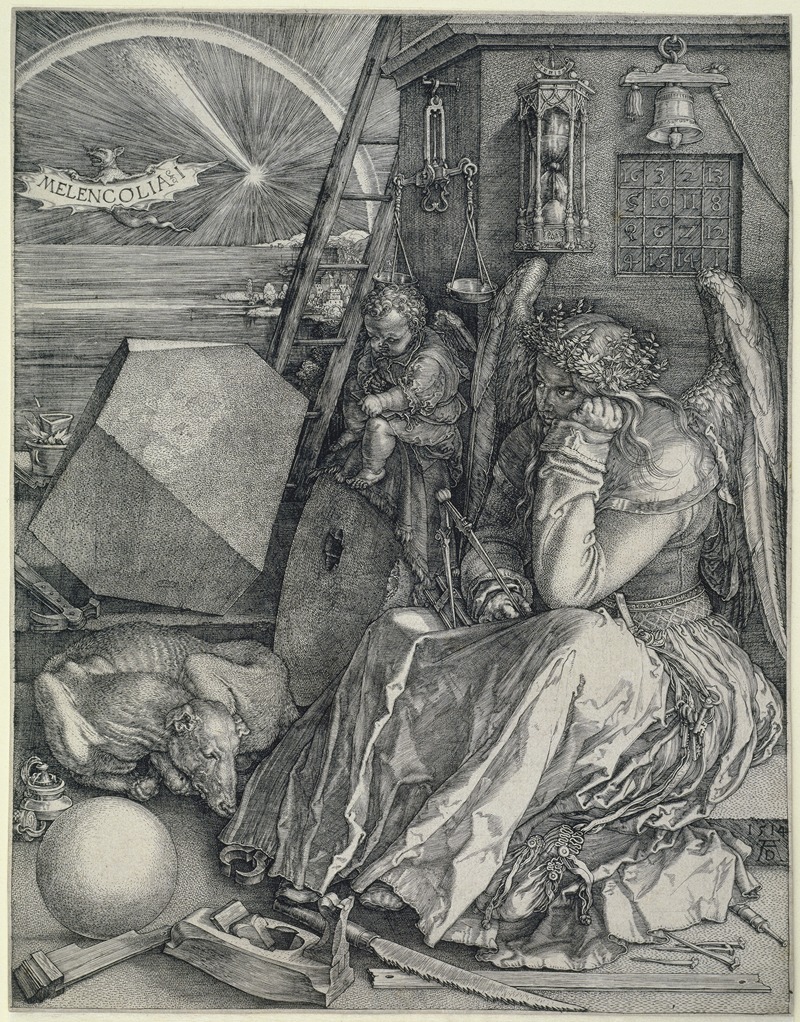
Melencolia I (The Melancholy)
Albrecht Dürer
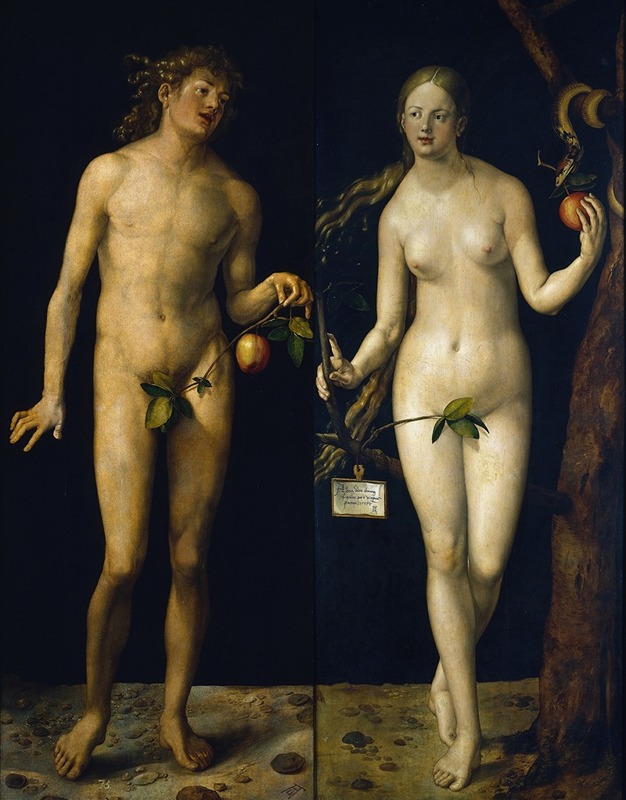
Adam And Eve
Albrecht Dürer
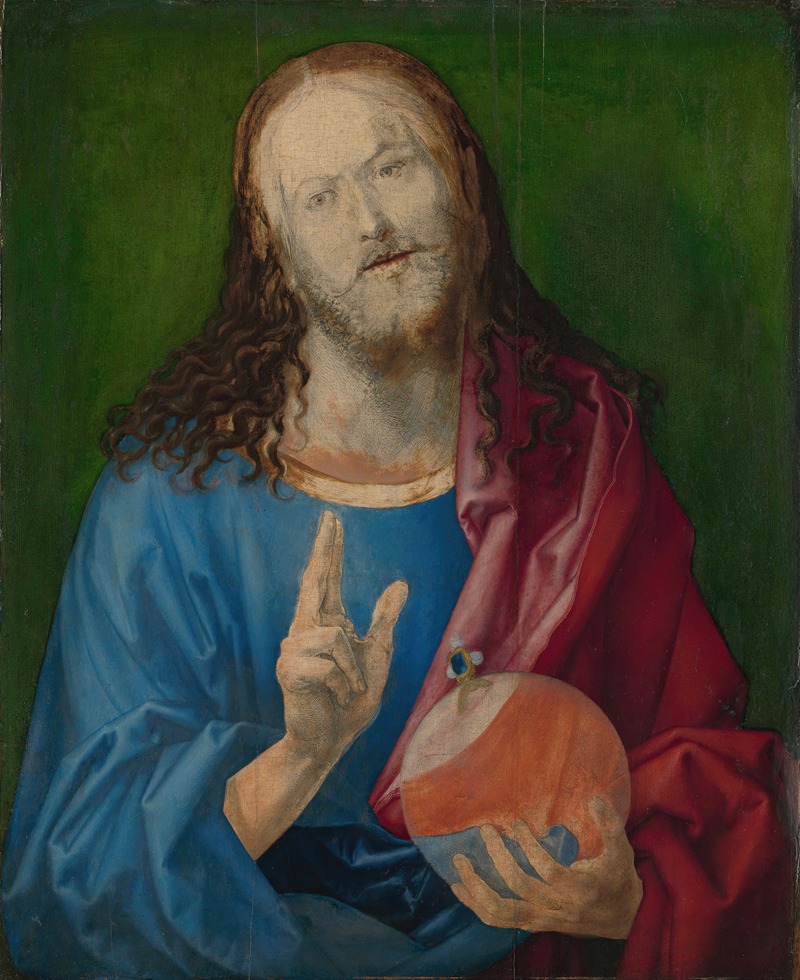
Salvator Mundi
Albrecht Dürer
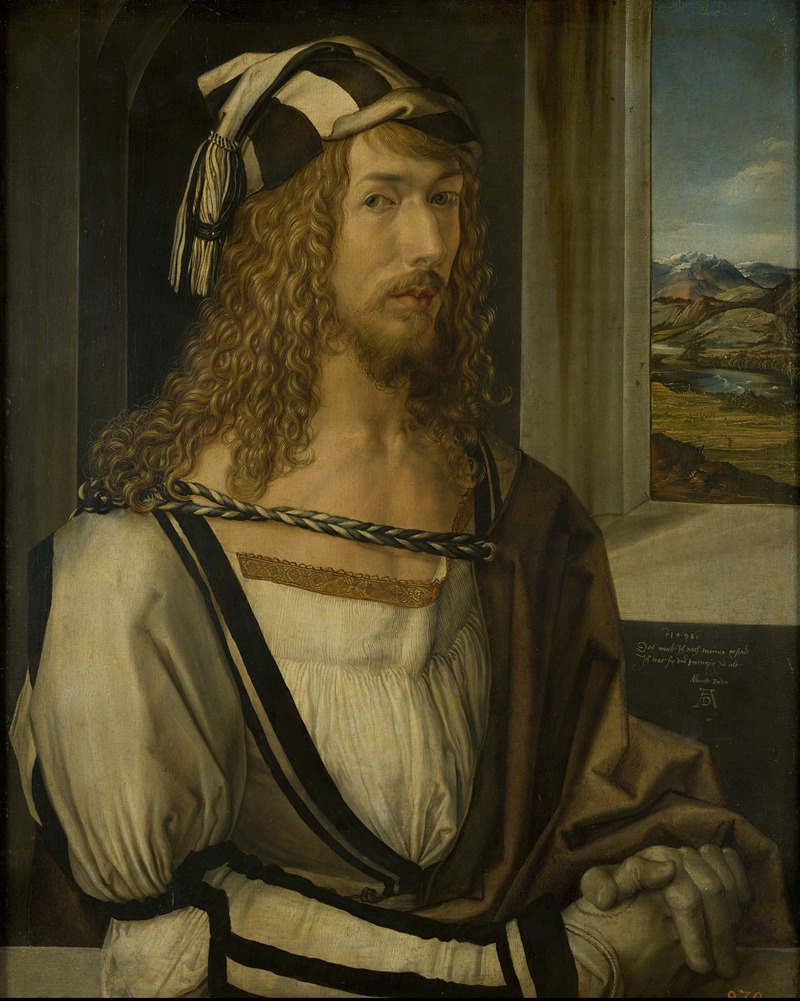
Self-portrait
Albrecht Dürer
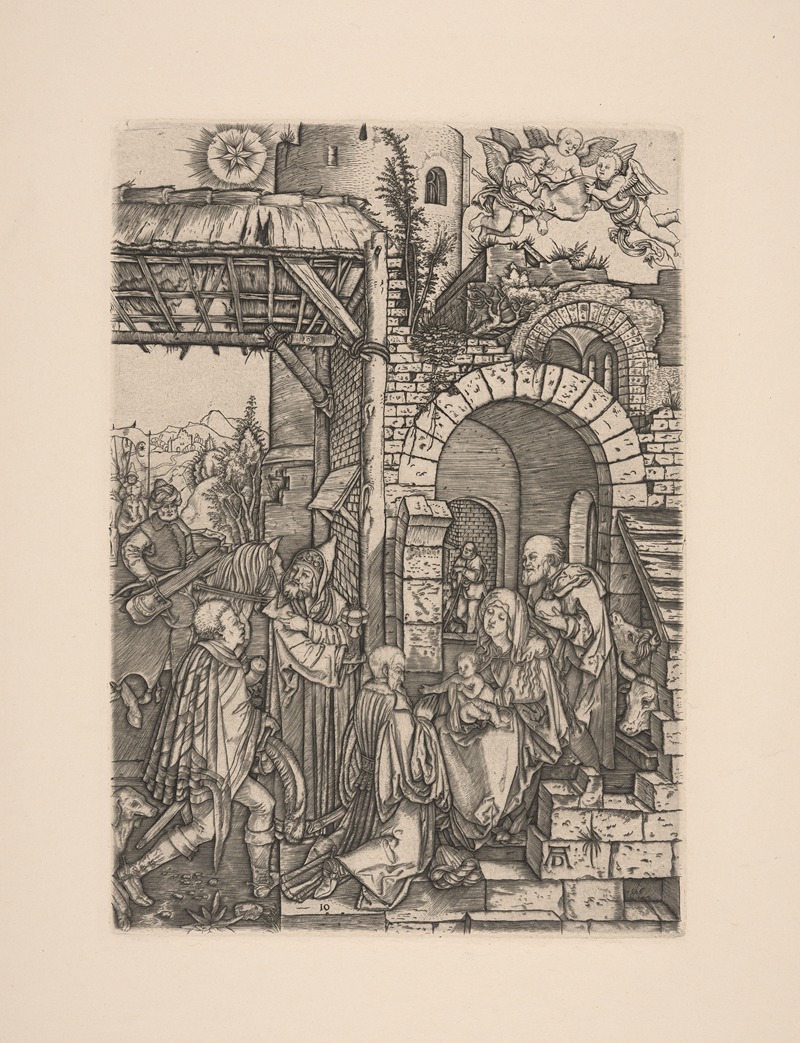
The Adoration of the Magi
Albrecht Dürer
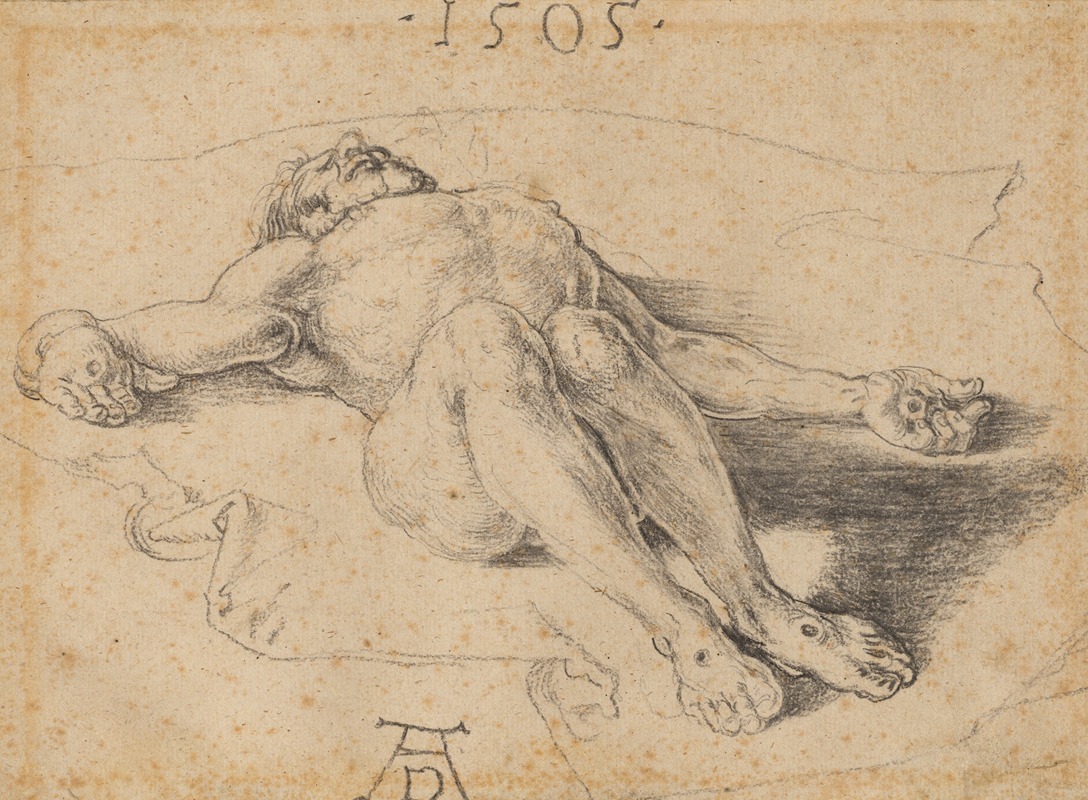
The Dead Christ
Albrecht Dürer
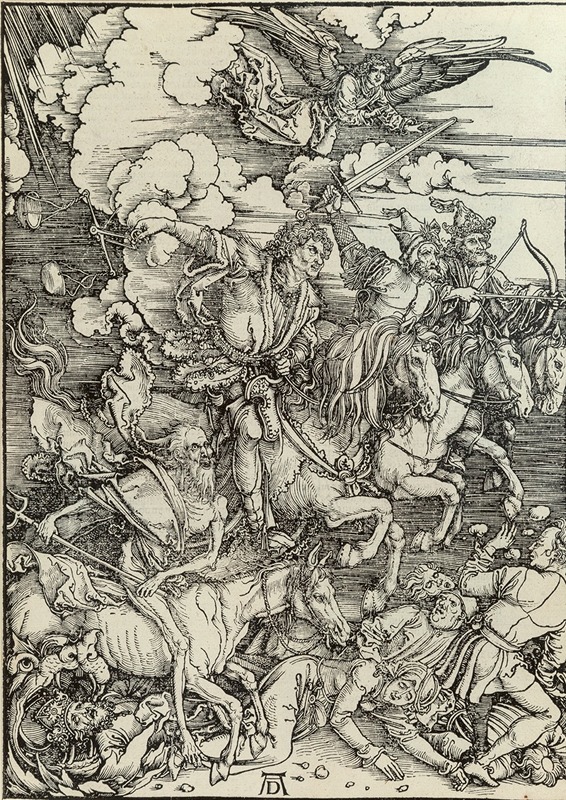
The Four Horsemen of the Apocalypse, from The Apocalypse
Albrecht Dürer