Stage Design, Interior of Papal Palace — History & Facts
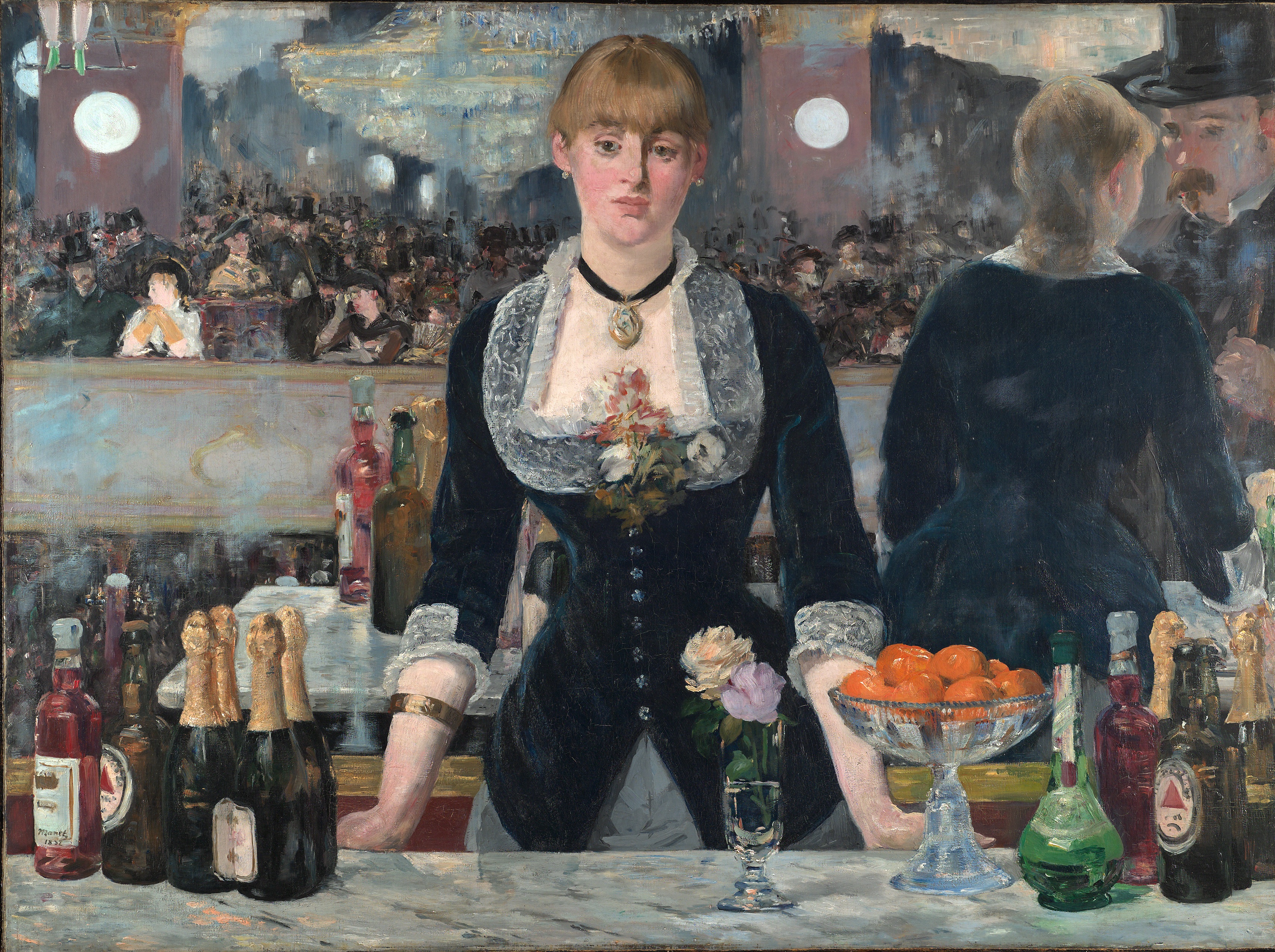
Is this a mirror — or a memory? The faded grandeur of a once-splendid space invites contemplation on the passage of time, where whispers of decay intermingle with echoes of magnificence. Focus on the intricate details of the ornate ceiling, where muted colors blend harmoniously, hinting at a rich history that lies just beneath the surface. Notice how the light filters through imagined windows, illuminating patches of dust that float gently in the air, evoking a sense of nostalgia. The composition draws your eye around the room, inviting exploration of the faded tapestries and sculpted decorations that speak of opulence now lost. The contrasts are striking: the vibrancy of the architecture clashes poignantly with the signs of wear, revealing a tension between glory and decline.
Delve into the peeling paint that seems to cry out for restoration, each flake a story of resilience against the ravages of time. These elements create a dialogue about the transience of beauty, as the space holds both the weight of its past and the inevitability of its future, echoing the impermanence inherent in all artistic endeavors. Created in 1777, this piece reflects an era of transformation in both art and society. The artist, whose identity remains cloaked in mystery, crafted this stage design during a time when the Papal Palace was at the zenith of its influence.
The world was shifting with the Enlightenment, questioning established norms and celebrating the ephemeral nature of existence — a poignant backdrop for an artwork that captures the melancholic beauty of what was.
More Artworks by Unknown Artist
Browse all →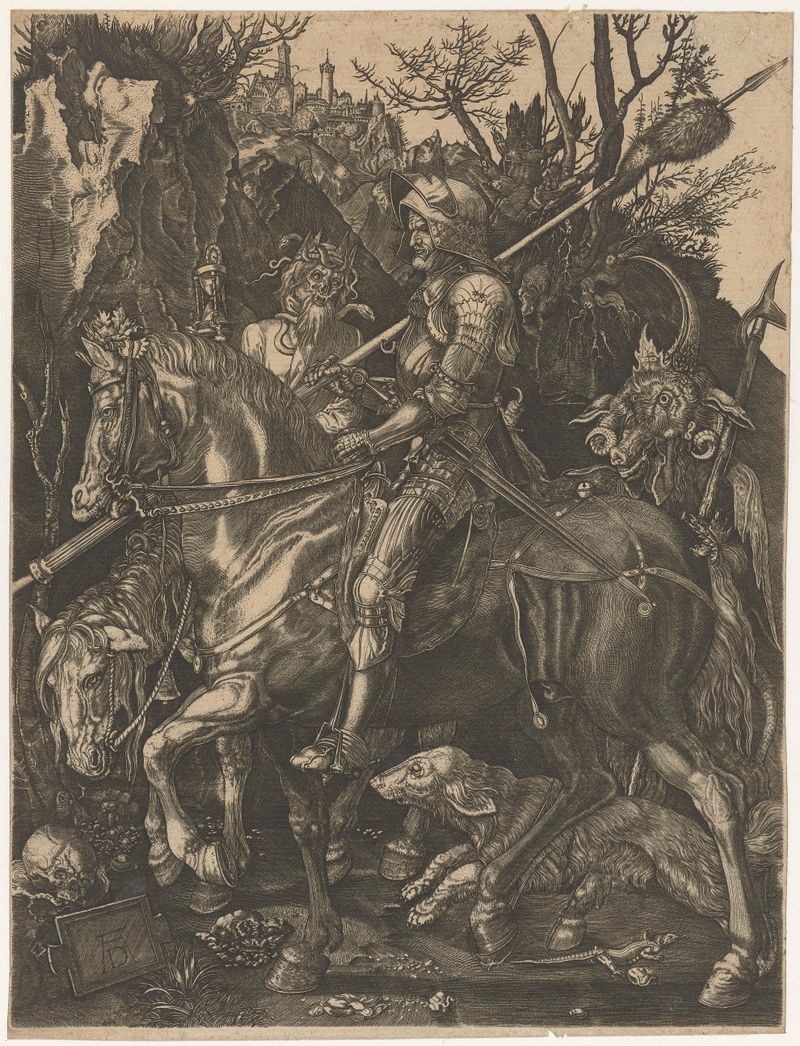
Ridder, Dood en Duivel
Unknown Artist
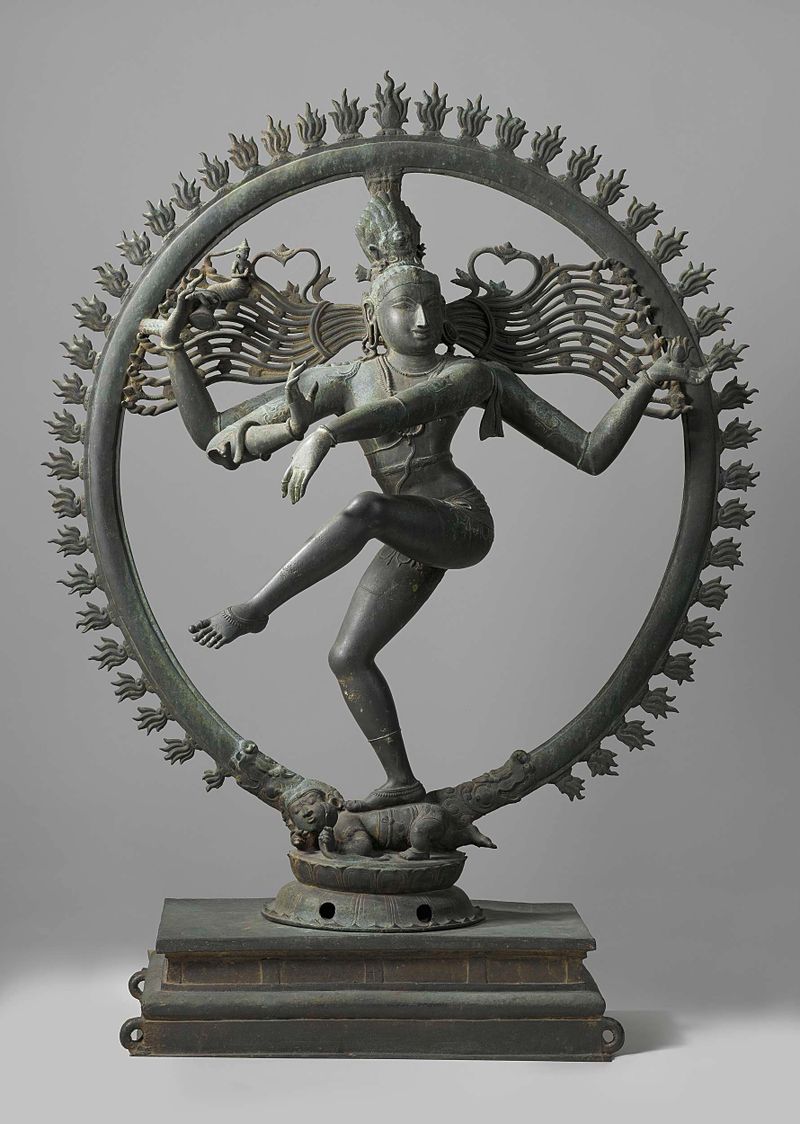
Shiva Nataraja
Unknown Artist
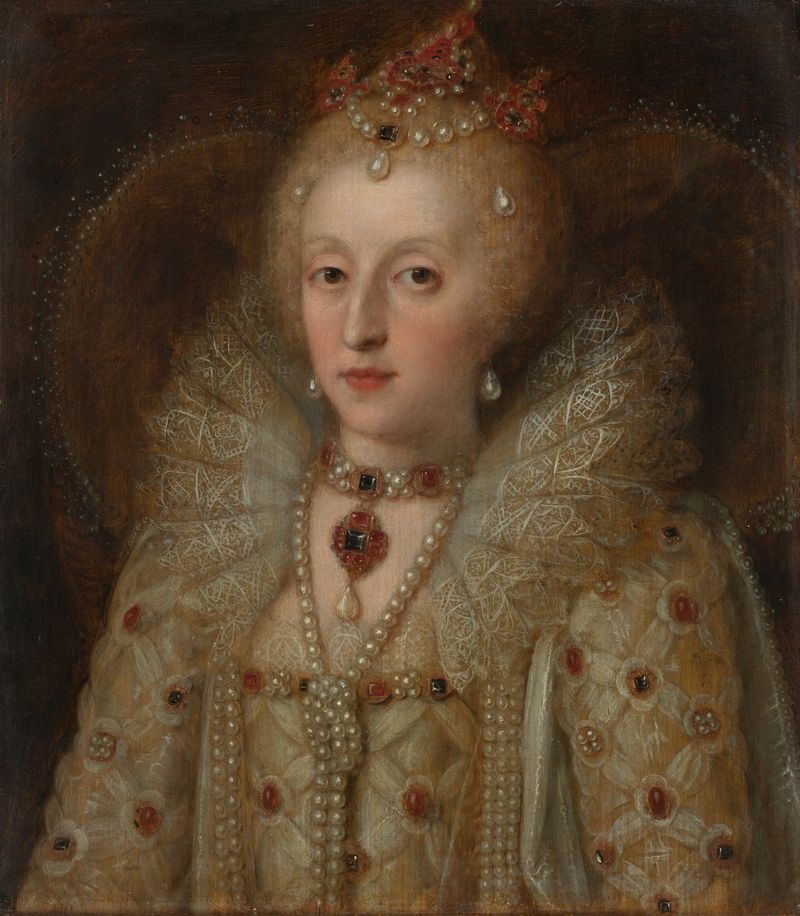
Portrait of Elizabeth I, Queen of England
Unknown Artist
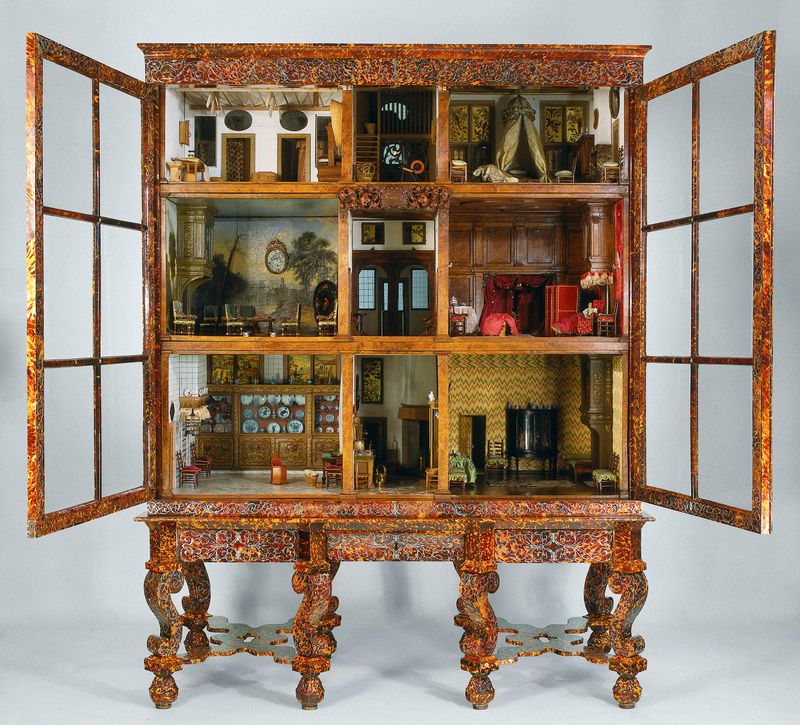
Dolls’ house of Petronella Oortman
Unknown Artist
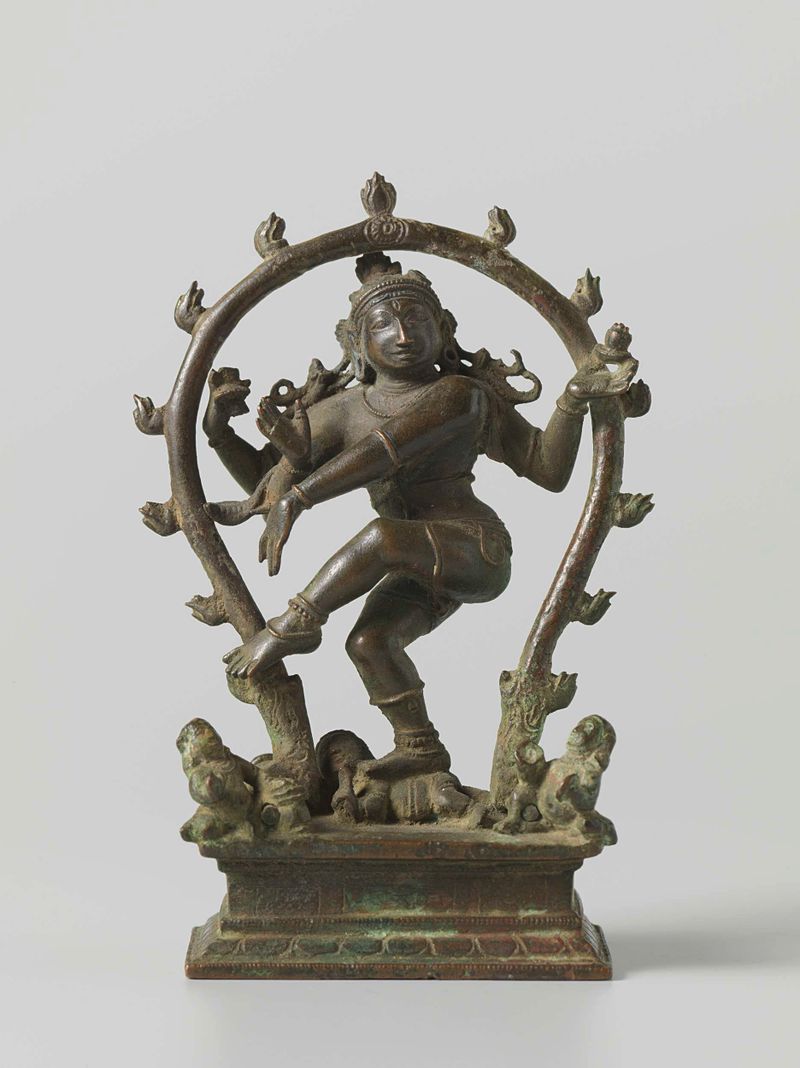
Shiva Nataraja
Unknown Artist

The Tale of Genji
Unknown Artist

The Tale of Genji
Unknown Artist
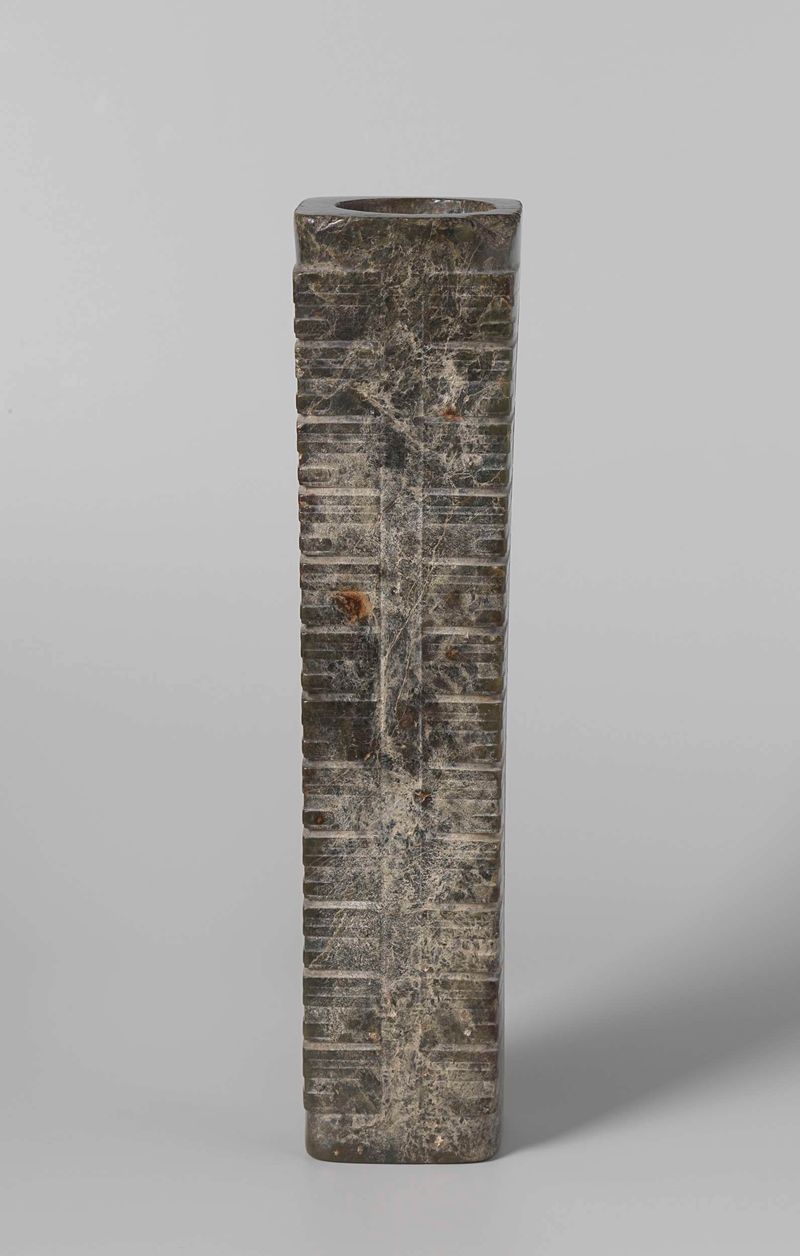
Cong
Unknown Artist
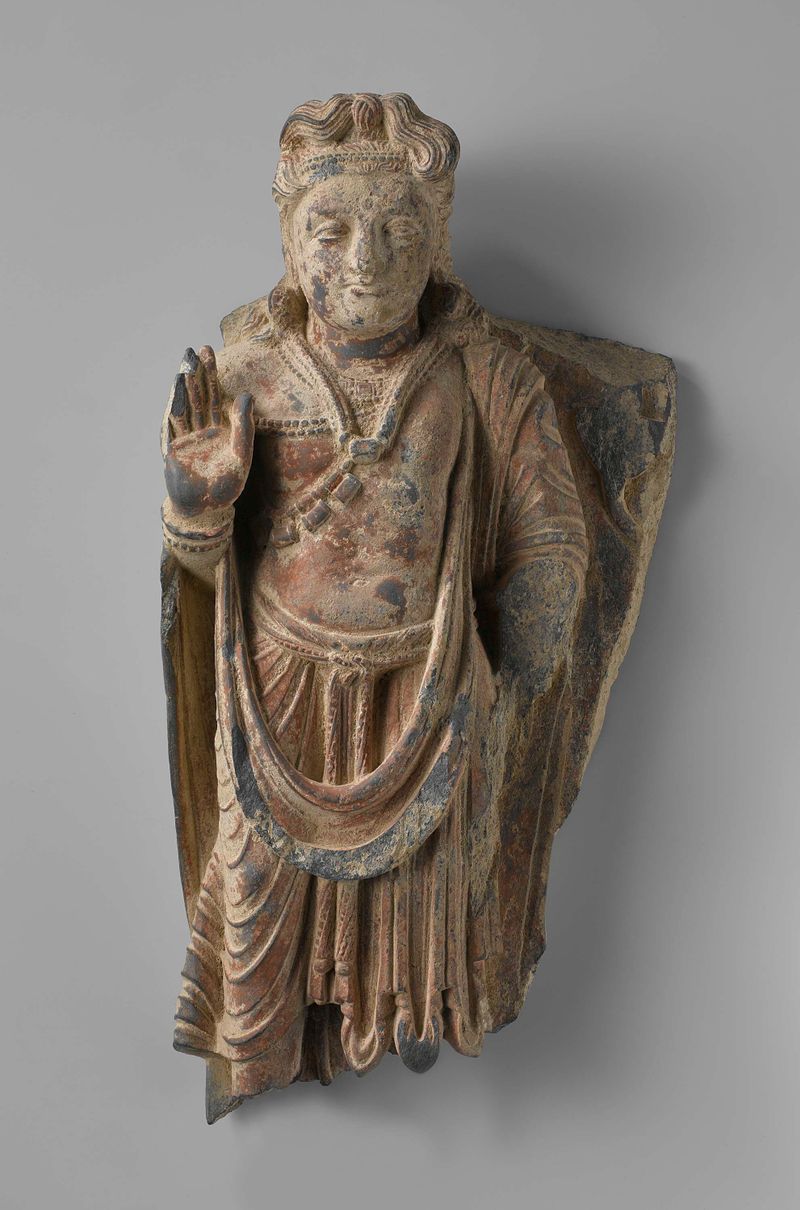
The bodhisattva Maitreya
Unknown Artist
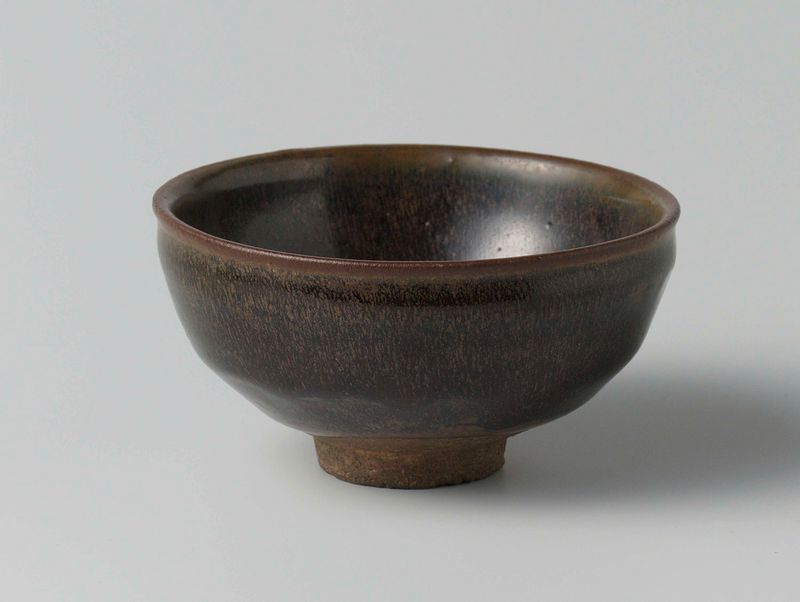
Teabowl with a 'hare's fur' glaze
Unknown Artist