
Stajenka ‘Boże Narodzenie’ — History & Facts
In the quiet spaces of our lives, we often find the most profound expressions of grief and hope. In Stajenka ‘Boże Narodzenie’, focus on the gentle folds of fabric draping the figures, where delicate blues and warm ochres meld together, creating an intimate atmosphere. The light, soft yet illuminating, caresses the faces of the holy family, drawing the viewer’s gaze toward the serene expression of Mary as she cradles the newborn. Notice how the shadows deepen around them, emphasizing the contrast between the sacred presence and the surrounding darkness, suggesting an otherworldly sanctuary. The painting invites us into a moment where joy and sorrow coexist.
The tender embrace between mother and child symbolizes hope amidst the pain of existence, a reflection of loss that many may resonate with. The subtle details, like the yearning in Joseph’s gaze and the gentle placement of the animals, hint at a narrative beyond the scene—one where love perseveres in the face of hardship, weaving together the threads of life, death, and rebirth. Edmund Bartłomiejczyk painted this piece in 1935, a time marked by political unrest and social change in Poland. Emerging from a backdrop of profound transformation in the art world, he sought to capture the essence of human experience through this depiction of the Nativity.
As the audience faced uncertainty, his work resonated with their struggles, weaving a narrative that felt both timeless and urgent.
More Artworks by Edmund Bartłomiejczyk
Browse all →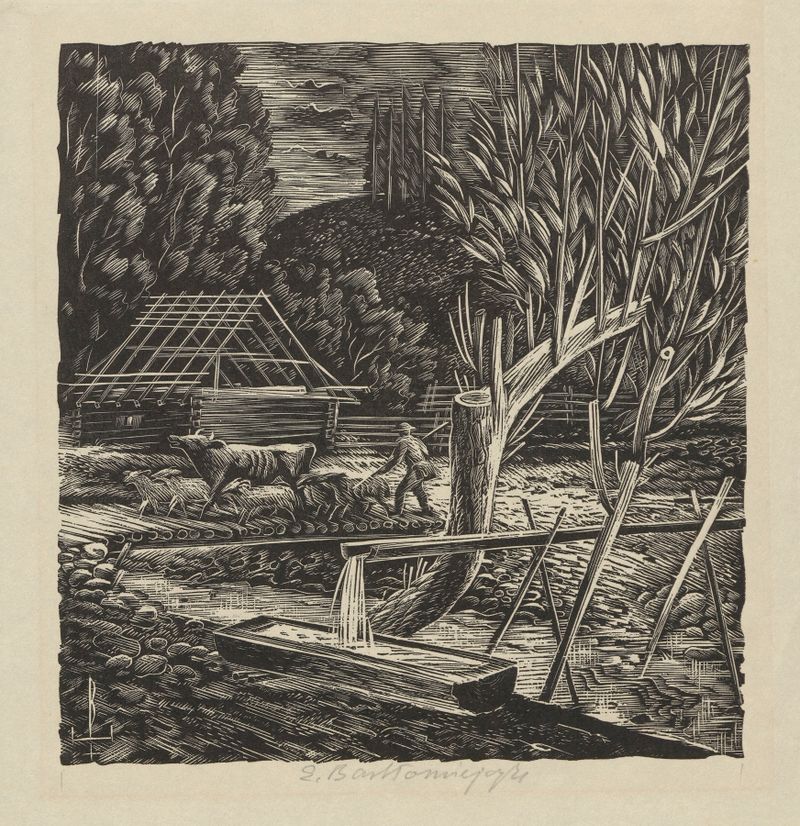
W Gorcach
Edmund Bartłomiejczyk
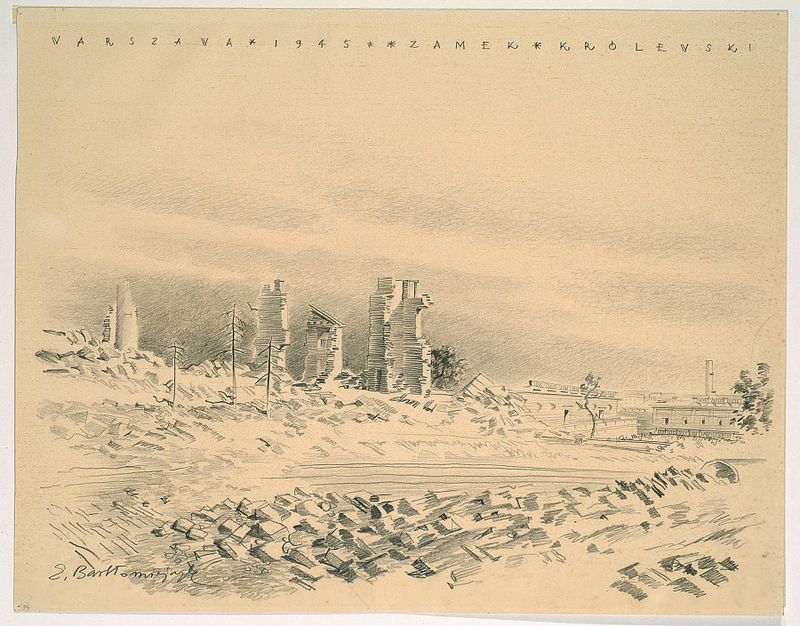
Zamek Królewski
Edmund Bartłomiejczyk
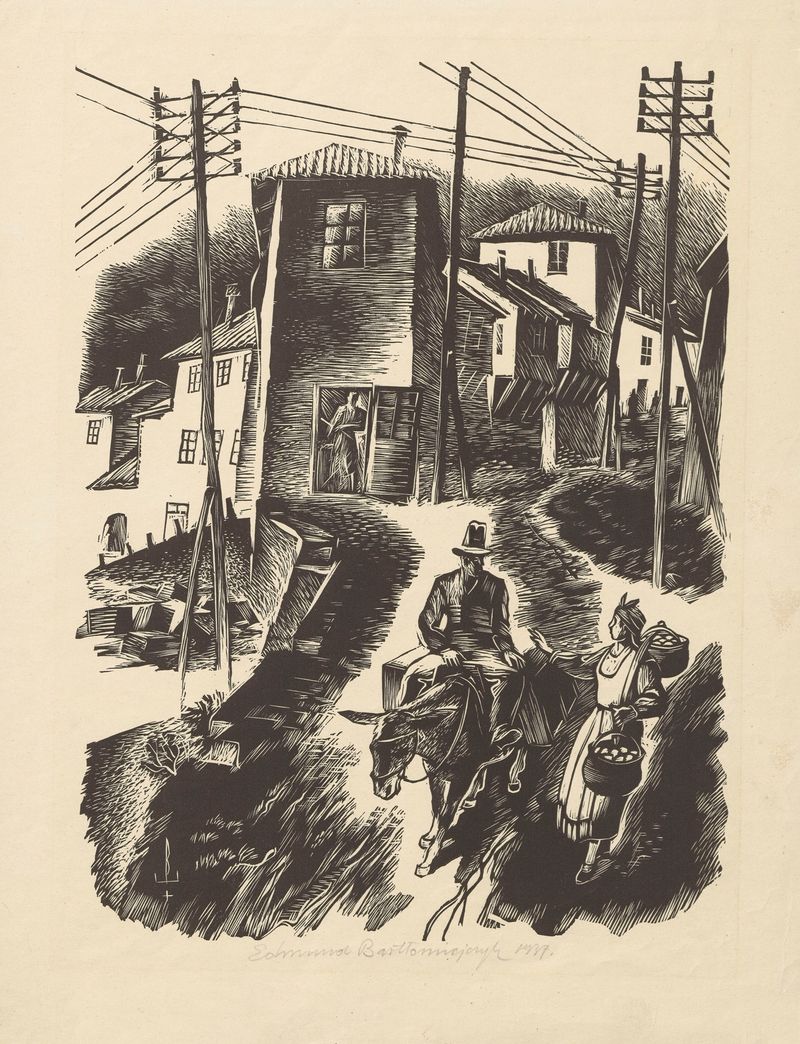
Uliczka w Tirnowie
Edmund Bartłomiejczyk
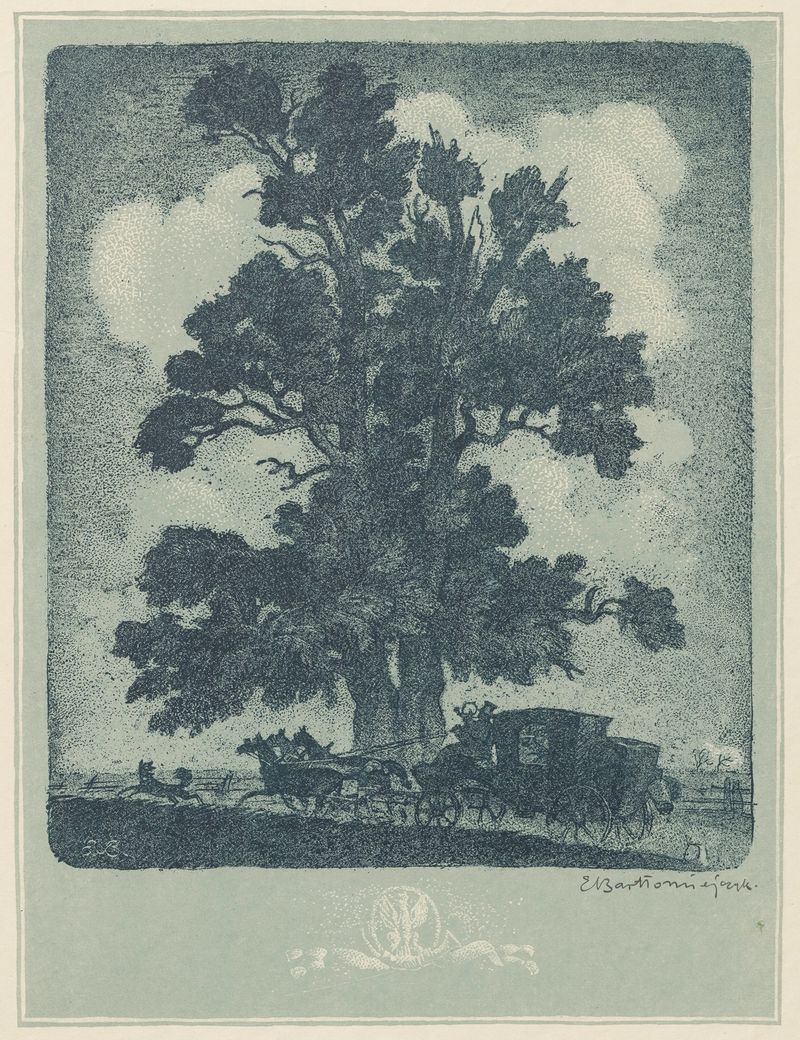
Dyliżans
Edmund Bartłomiejczyk
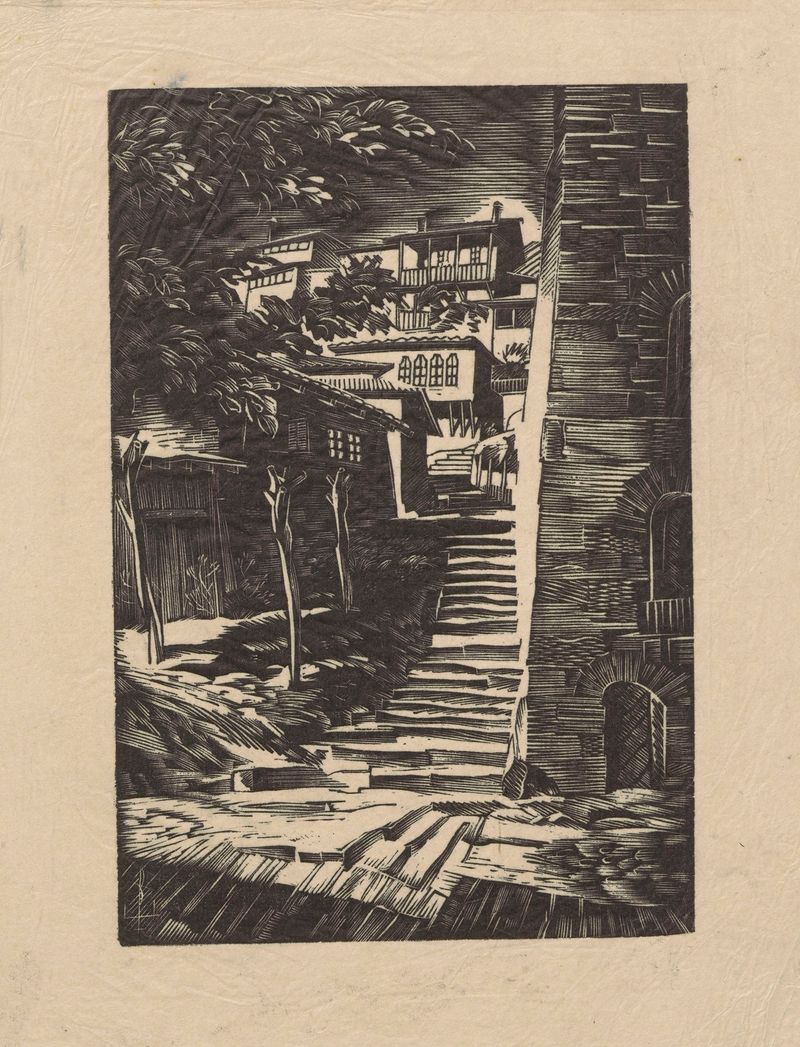
Motyw z Tirnowa – Schody
Edmund Bartłomiejczyk
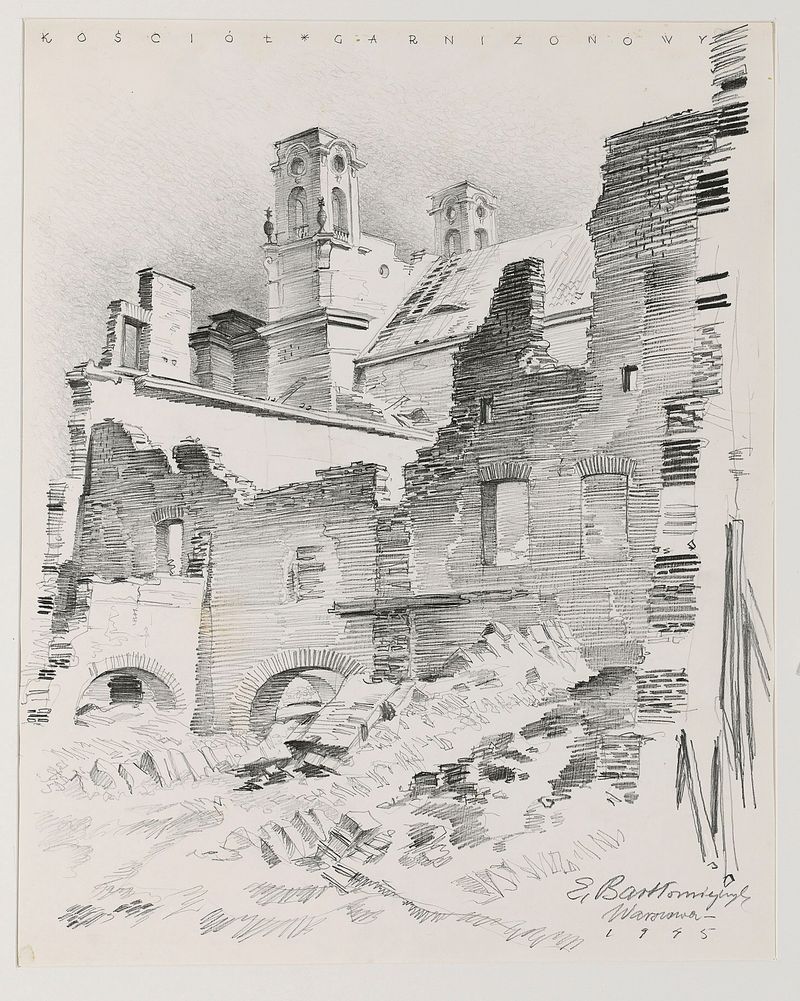
Kościół Garnizonowy II
Edmund Bartłomiejczyk
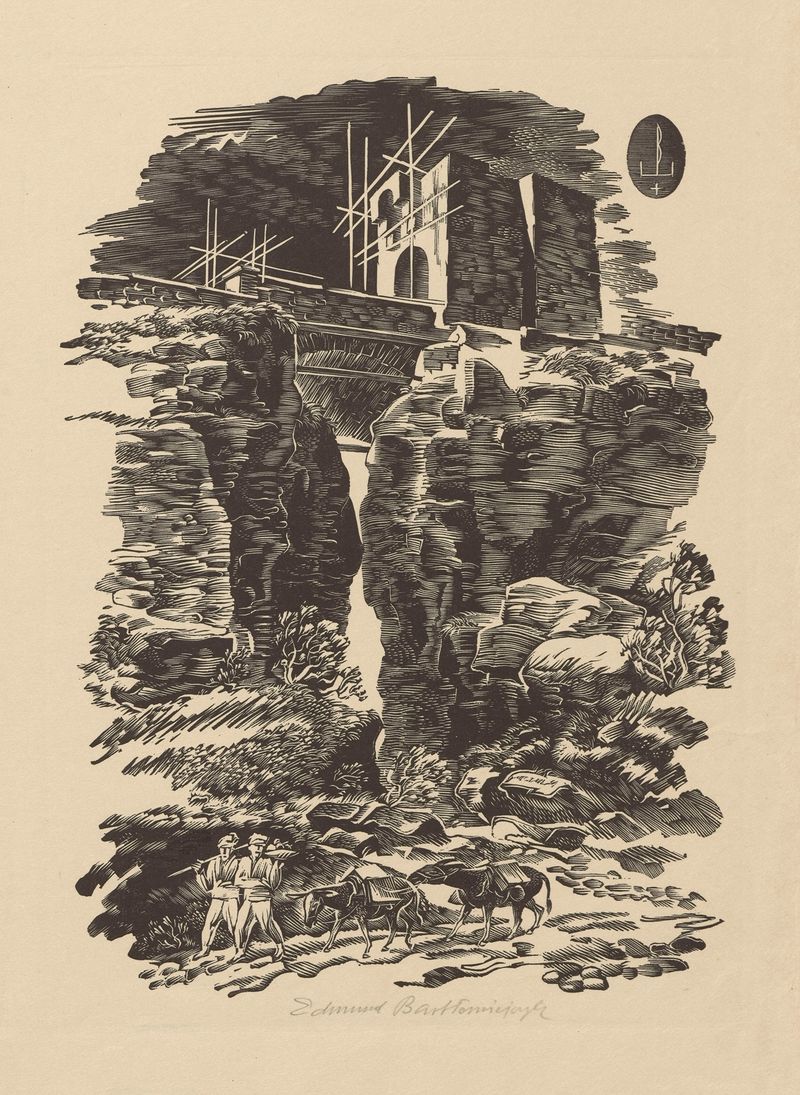
Motyw z Tirnowa
Edmund Bartłomiejczyk
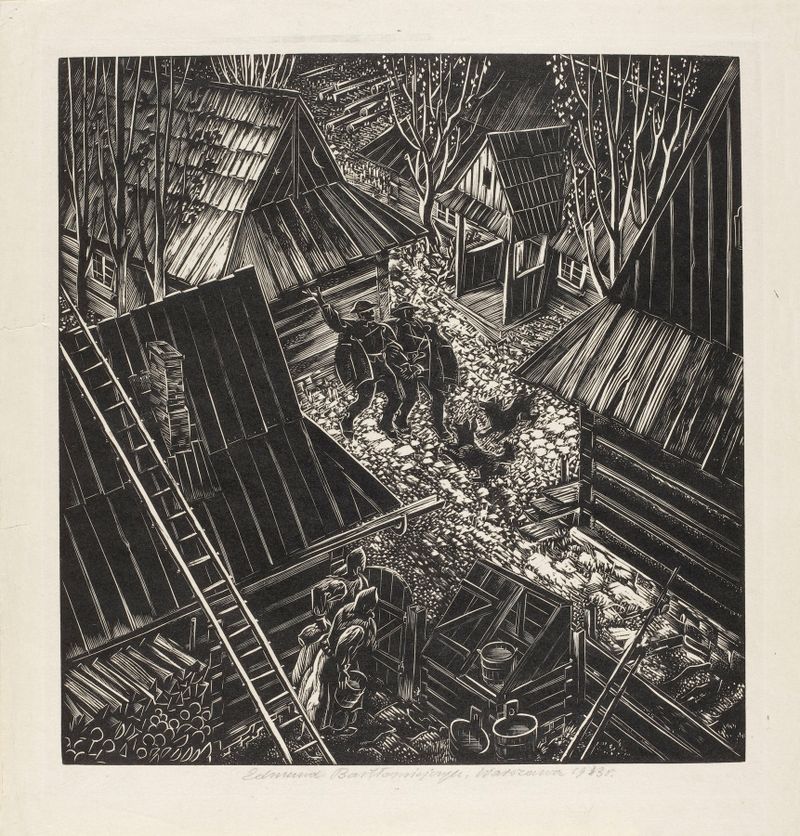
Lany poniedziałek
Edmund Bartłomiejczyk
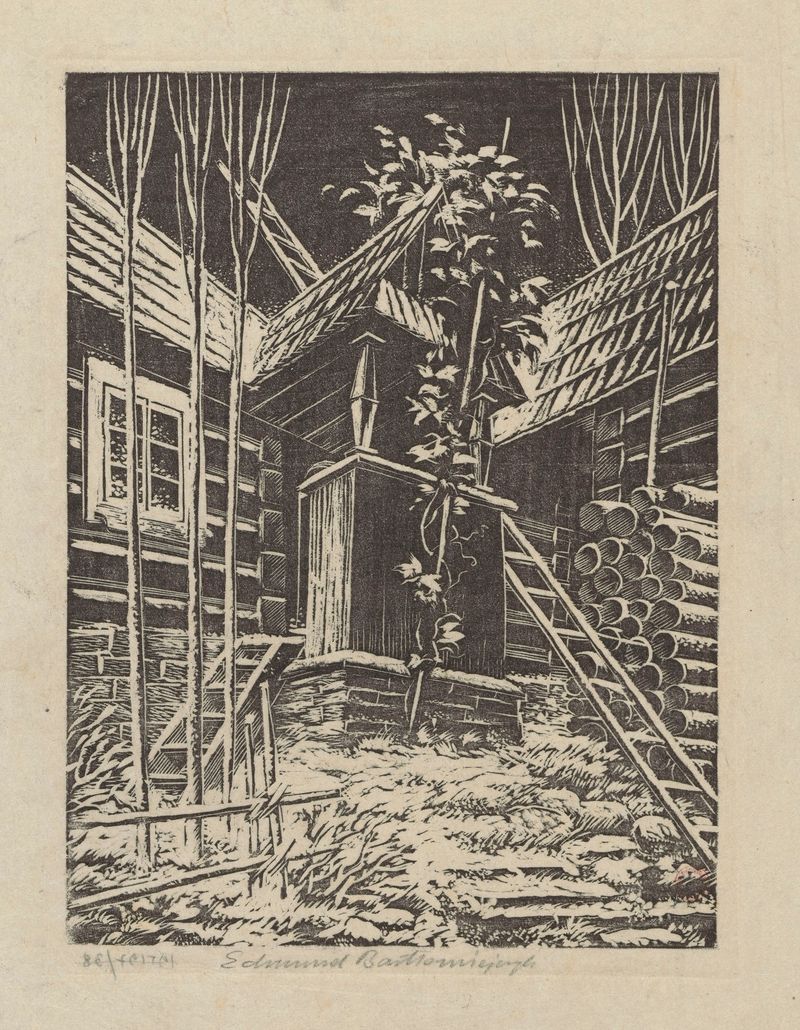
Ganek w Brzegach
Edmund Bartłomiejczyk
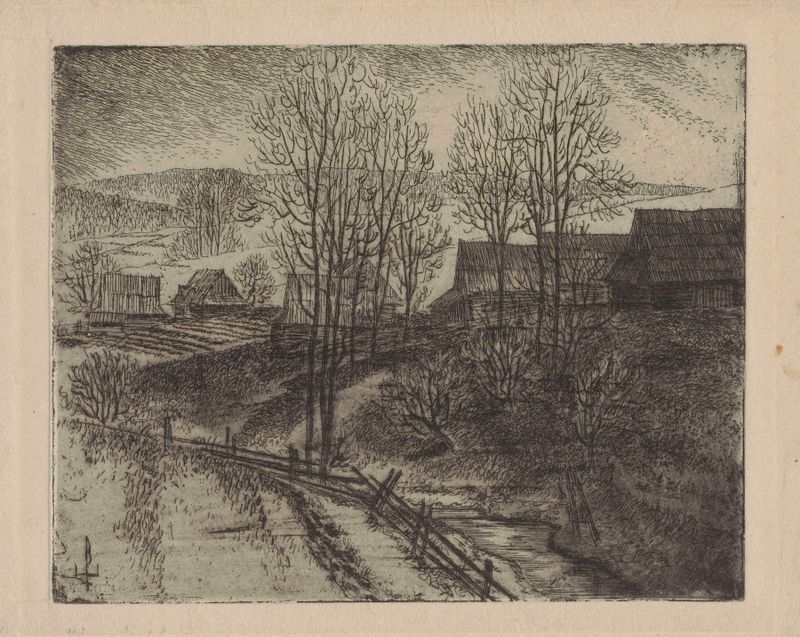
Wieś góralska Brzegi
Edmund Bartłomiejczyk
More Religious Art
Browse all →
The Return of the Prodigal Son
Rembrandt van Rijn

The Garden of Earthly Delights
El Bosco

Count Orgaz’ funeral
El Greco

The Hundred Guilder Print: the central piece with Christ preaching, the plate arched
Rembrandt van Rijn

The Descent from the Cross
Rogier van der Weyden

The return of the prodigal son
Rembrandt van Rijn