
Motyw z Tirnowa — History & Facts
What if beauty was never meant to be finished? This notion resonates profoundly within the contours of a work that captures an essence both ephemeral and eternal. Look closely at the sweeping curves and vibrant hues; your gaze should first settle on the central figure, where vivid greens and soft blues intertwine to suggest both land and sky. The painter’s deft brushwork creates a fluidity that invites movement, while the layering of textured elements adds depth and complexity. Notice how the bright colors contrast with muted tones at the edges, suggesting a boundary between reality and the sublime, a world that hovers just beyond our grasp. The emotional tension lies in the juxtaposition of form and formlessness.
The fluid lines suggest a dance between the tangible and the intangible, evoking a sense of longing. There is a stillness present in the brushstrokes that hints at a deeper yearning, a search for harmony amidst chaos. The painting resonates with the idea of transcendence, suggesting that what lies beyond our sight is often more beautiful than what we can touch. Edmund Bartłomiejczyk created this piece in 1936 during a time of political upheaval and artistic exploration in Poland.
The interwar period was marked by a surge in national identity and cultural expression, as artists sought to reflect both personal experiences and societal changes. Bartłomiejczyk, influenced by modernist movements, infused his work with a sense of yearning for a greater understanding of beauty, making this painting a poignant reflection of a transformative era.
More Artworks by Edmund Bartłomiejczyk
Browse all →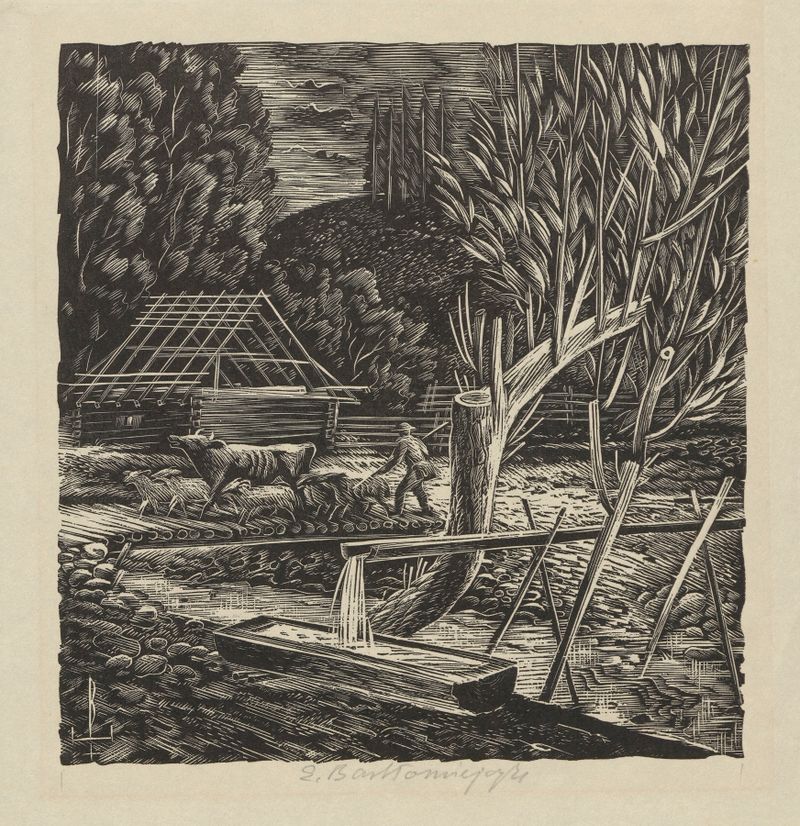
W Gorcach
Edmund Bartłomiejczyk
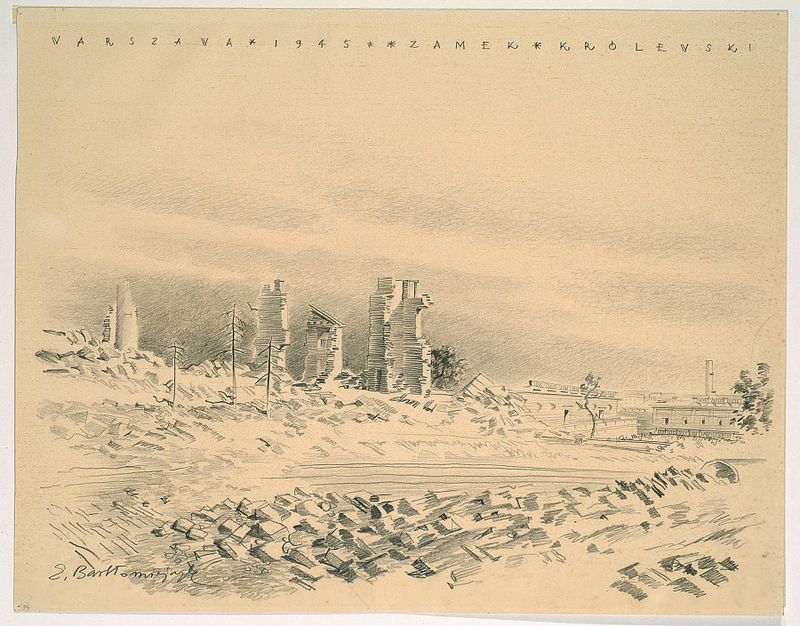
Zamek Królewski
Edmund Bartłomiejczyk
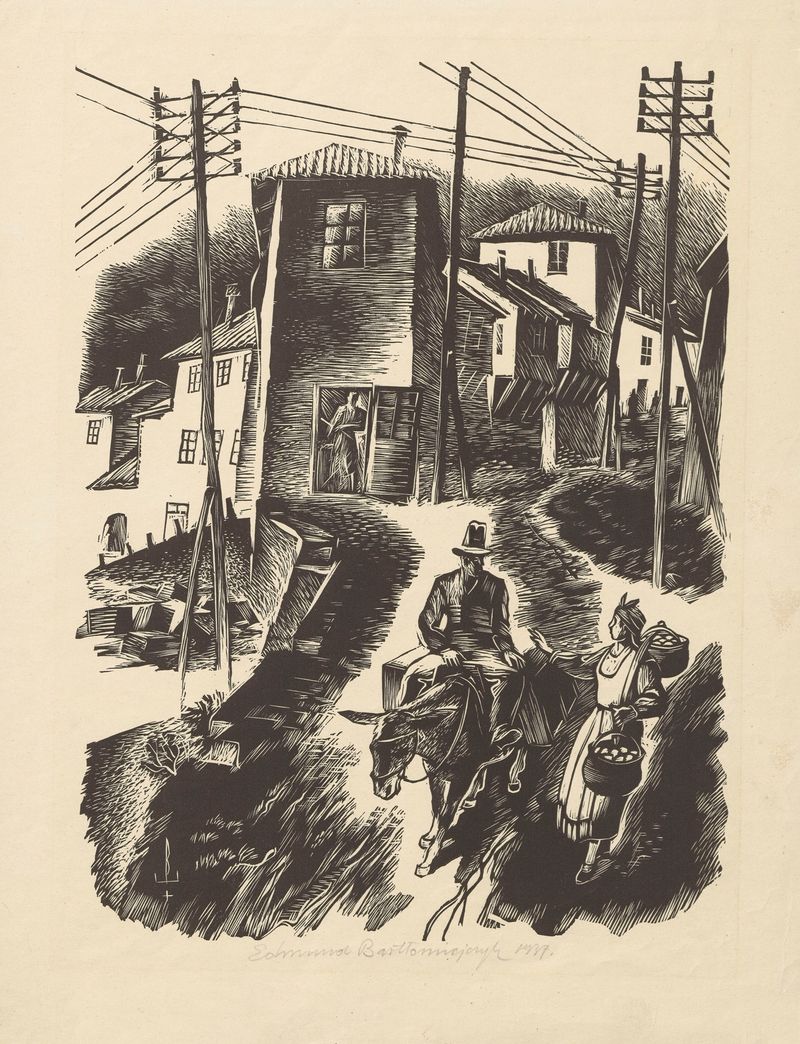
Uliczka w Tirnowie
Edmund Bartłomiejczyk
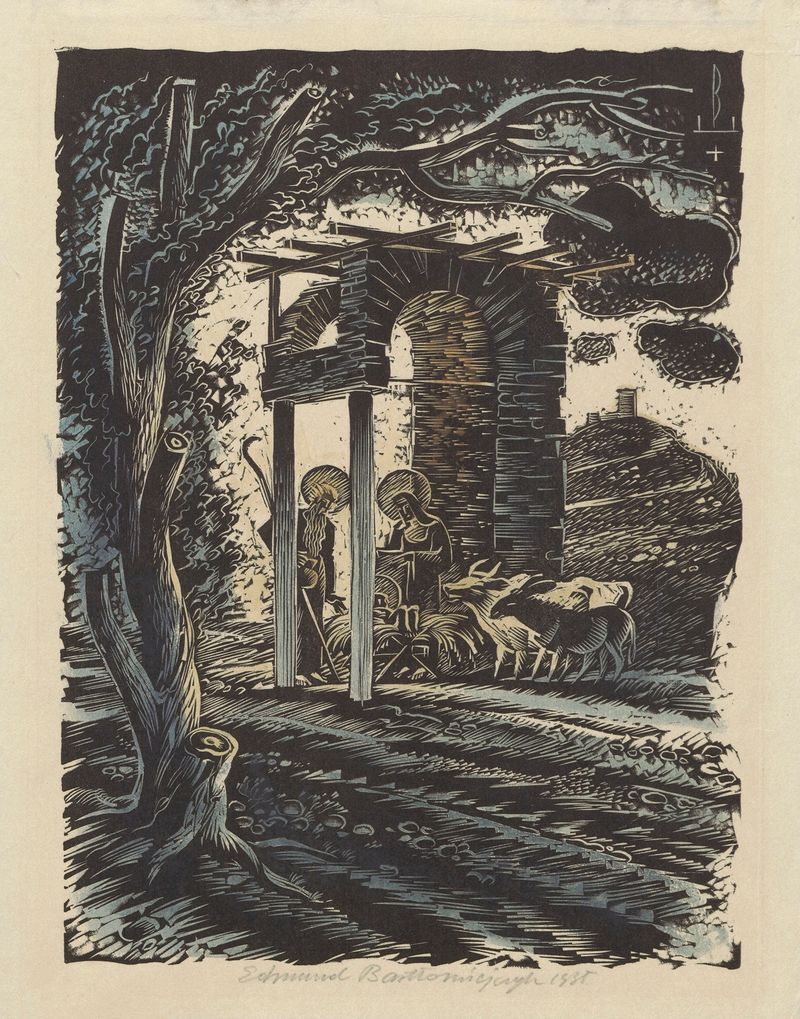
Stajenka ‘Boże Narodzenie’
Edmund Bartłomiejczyk
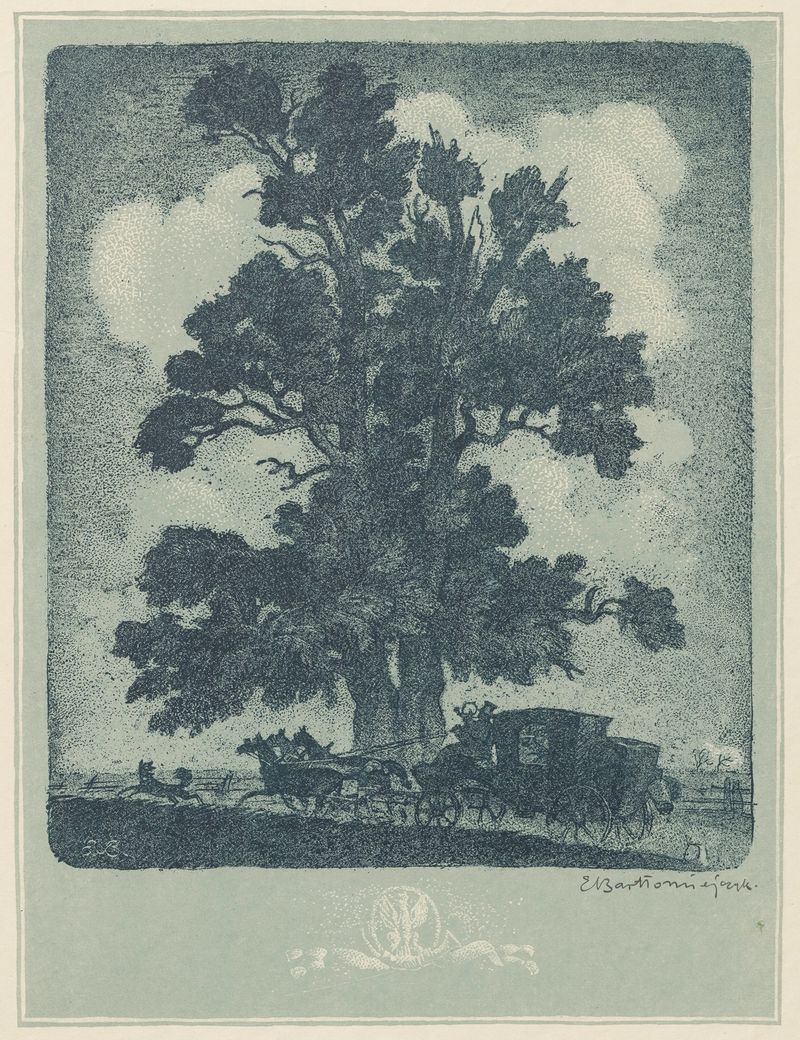
Dyliżans
Edmund Bartłomiejczyk
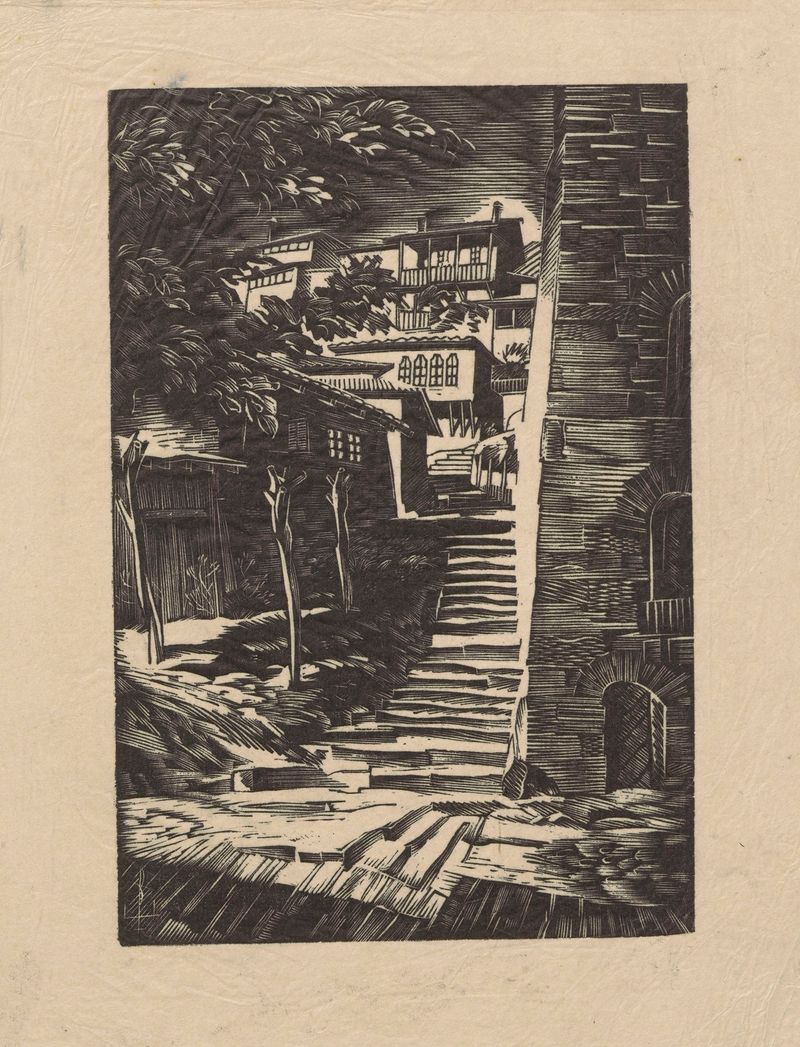
Motyw z Tirnowa – Schody
Edmund Bartłomiejczyk
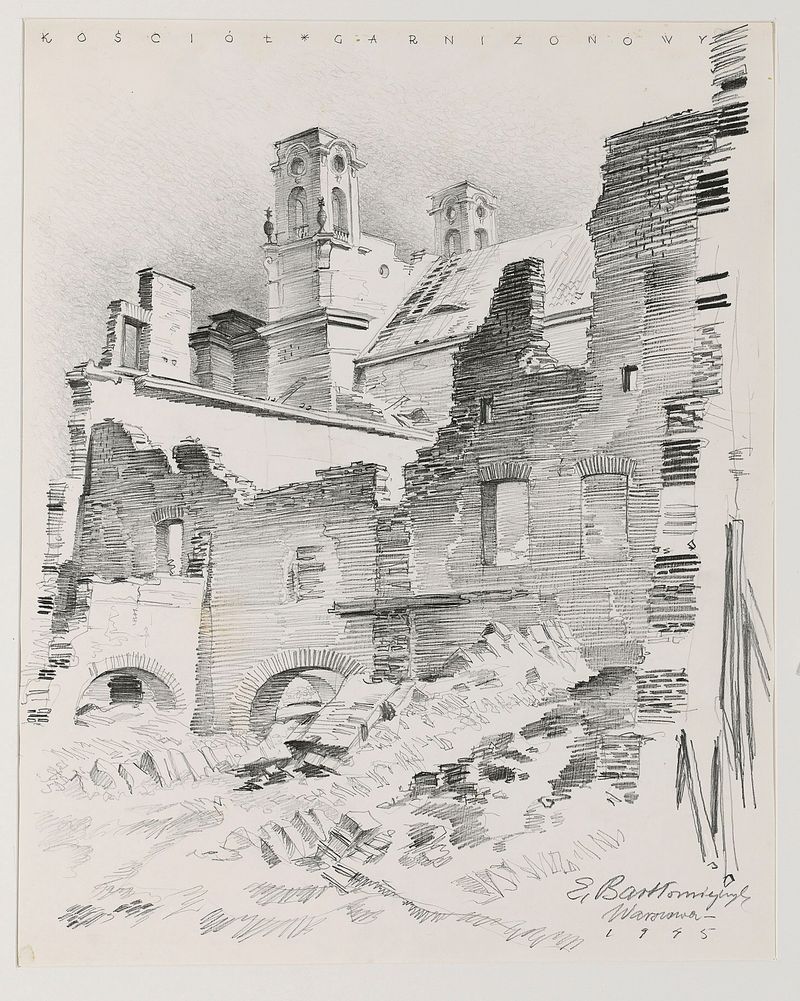
Kościół Garnizonowy II
Edmund Bartłomiejczyk
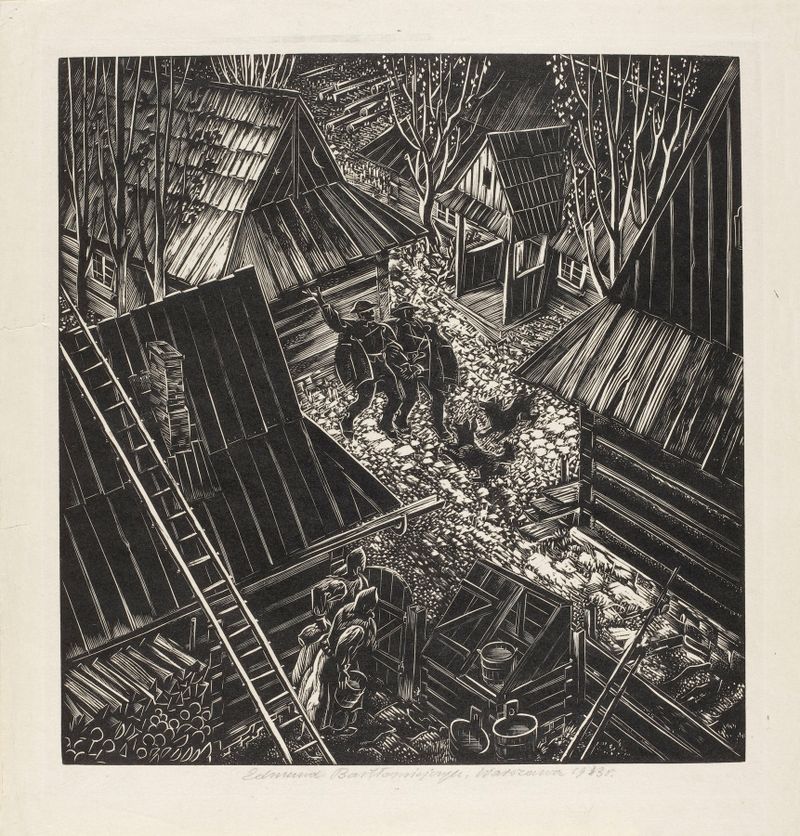
Lany poniedziałek
Edmund Bartłomiejczyk
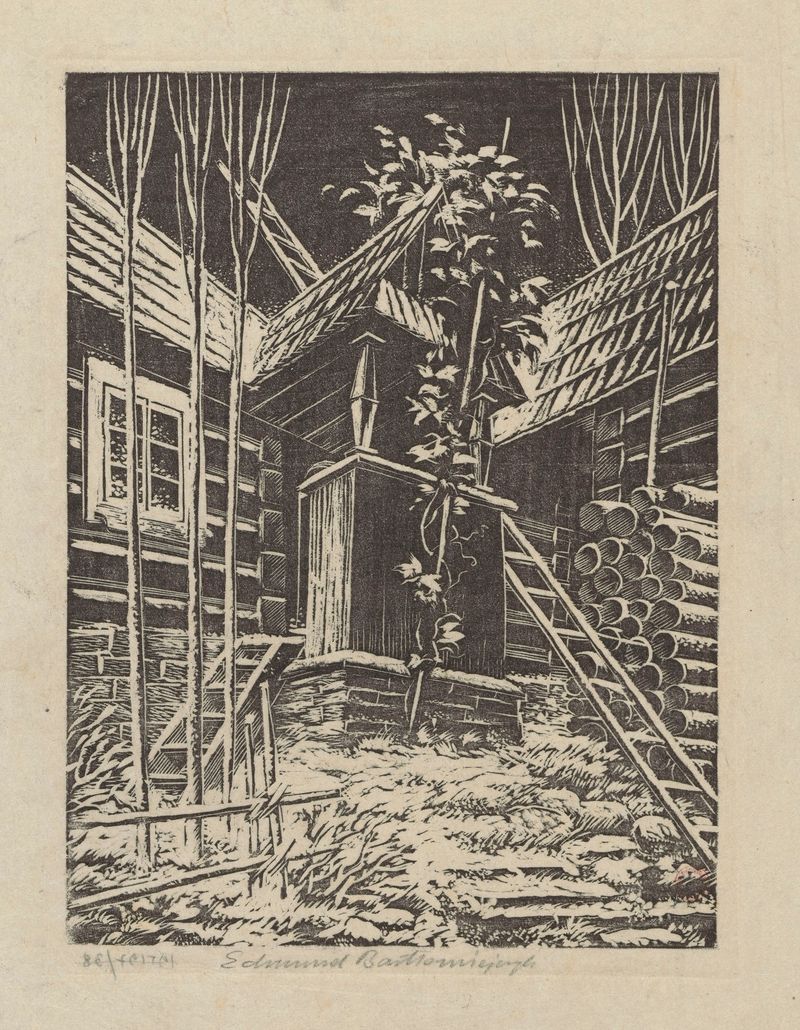
Ganek w Brzegach
Edmund Bartłomiejczyk
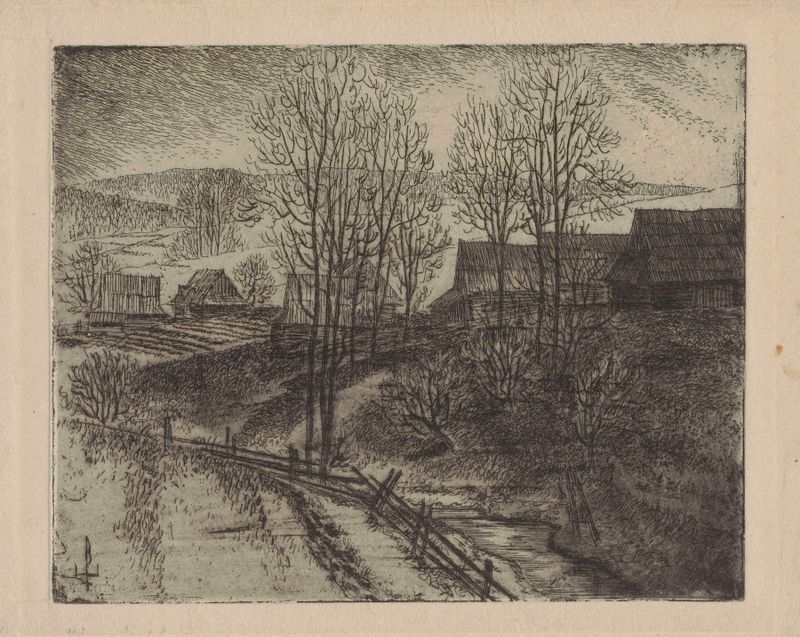
Wieś góralska Brzegi
Edmund Bartłomiejczyk





