W Gorcach — History & Facts
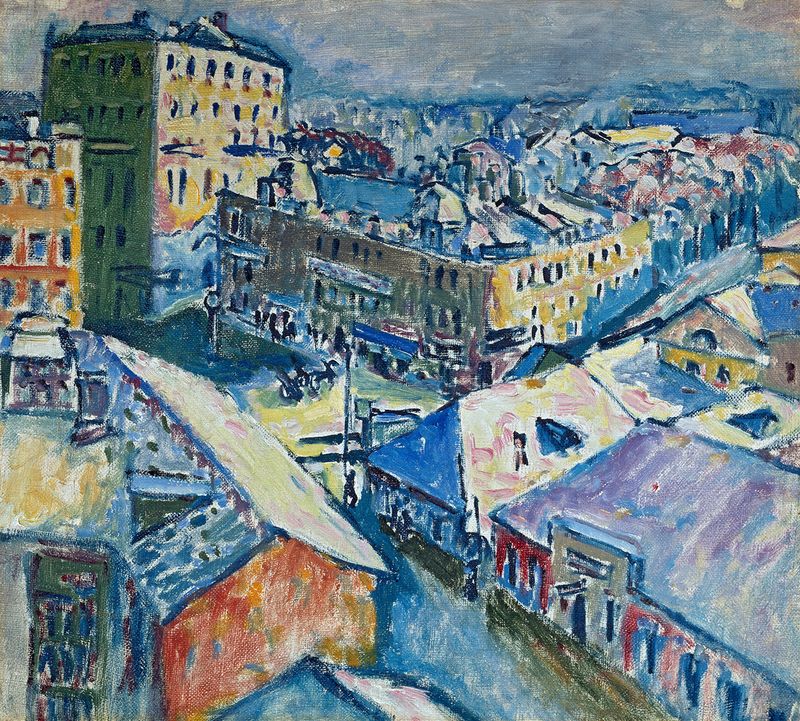
In a world where legacies often blur the lines between memory and experience, one must ponder what endures beyond the canvas of time. Focus on the vibrant hues that pulse throughout the composition. Look to the left, where deep blues mingle with warm ochres, creating an interplay that invites contemplation. Notice how the brushstrokes, bold yet tender, evoke a sense of movement as if the painting is alive, whispering stories from an era past.
The juxtaposition of color and space anchors the viewer, while the textured surface suggests a tangible history waiting to be explored. There are tensions within this piece that speak to tradition and innovation. The swirling patterns may reflect the chaos of change, contrasting with stable forms that hint at permanence. This dialogue between the fluidity of color and the solidity of shapes suggests a quest for identity amidst societal upheaval.
Each detail, from the interplay of shadow to the delicate highlights, serves as a reminder of the narratives that shape our understanding of legacy. In 1932, the artist was deeply engaged with the evolving art scene in Poland, reflecting on the tumultuous interwar period. Amidst a backdrop of political strife and cultural reawakening, he sought to carve out a distinctive voice that would resonate for generations. This work not only captures the essence of his artistic journey but also stands as a testament to the enduring nature of human expression.
More Artworks by Edmund Bartłomiejczyk
Browse all →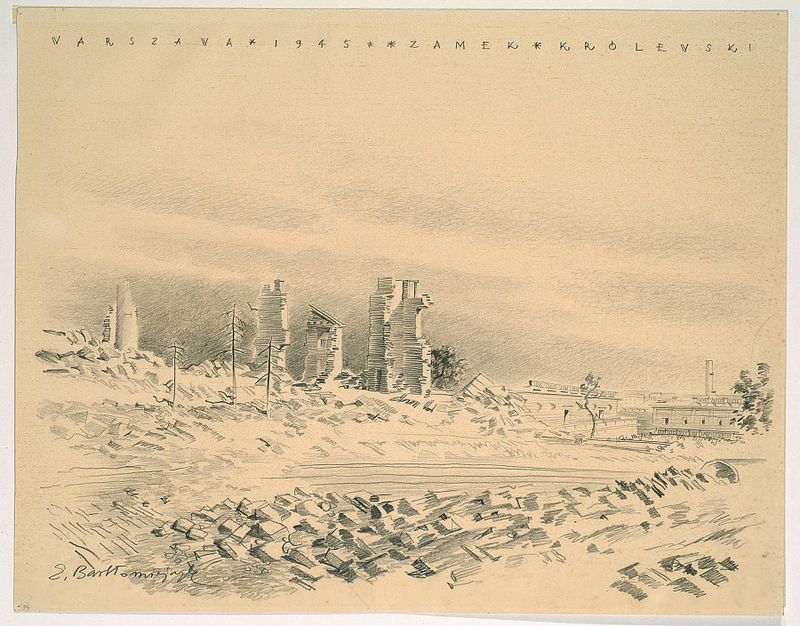
Zamek Królewski
Edmund Bartłomiejczyk
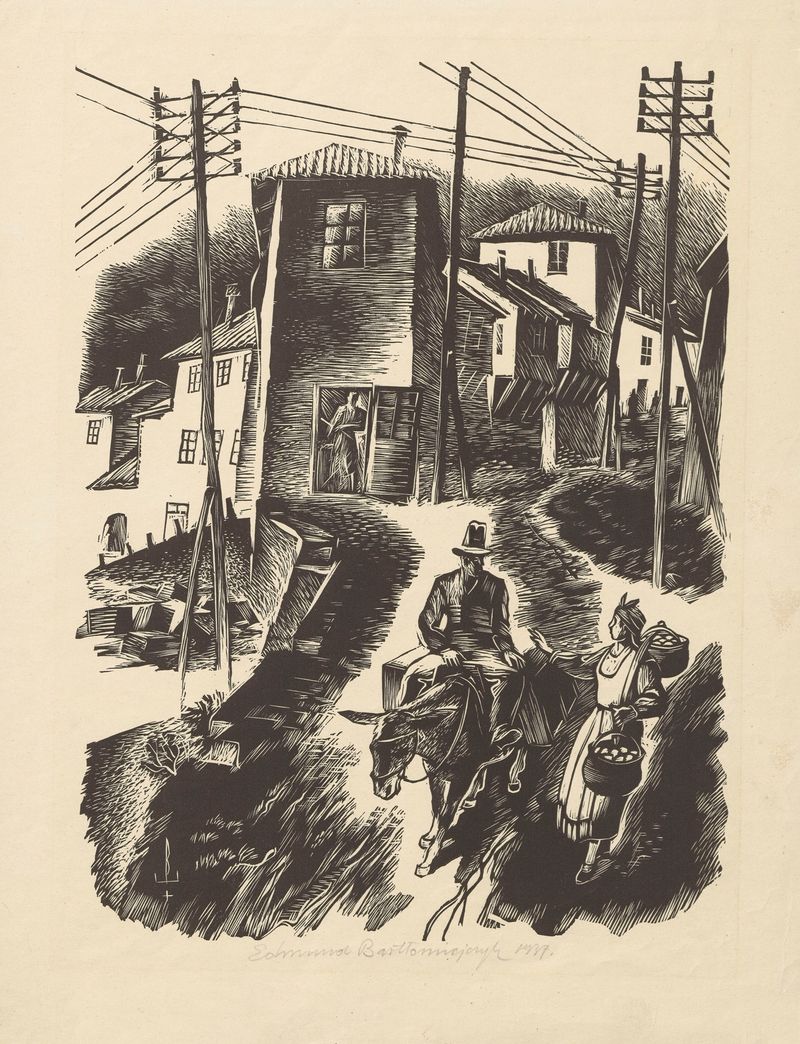
Uliczka w Tirnowie
Edmund Bartłomiejczyk
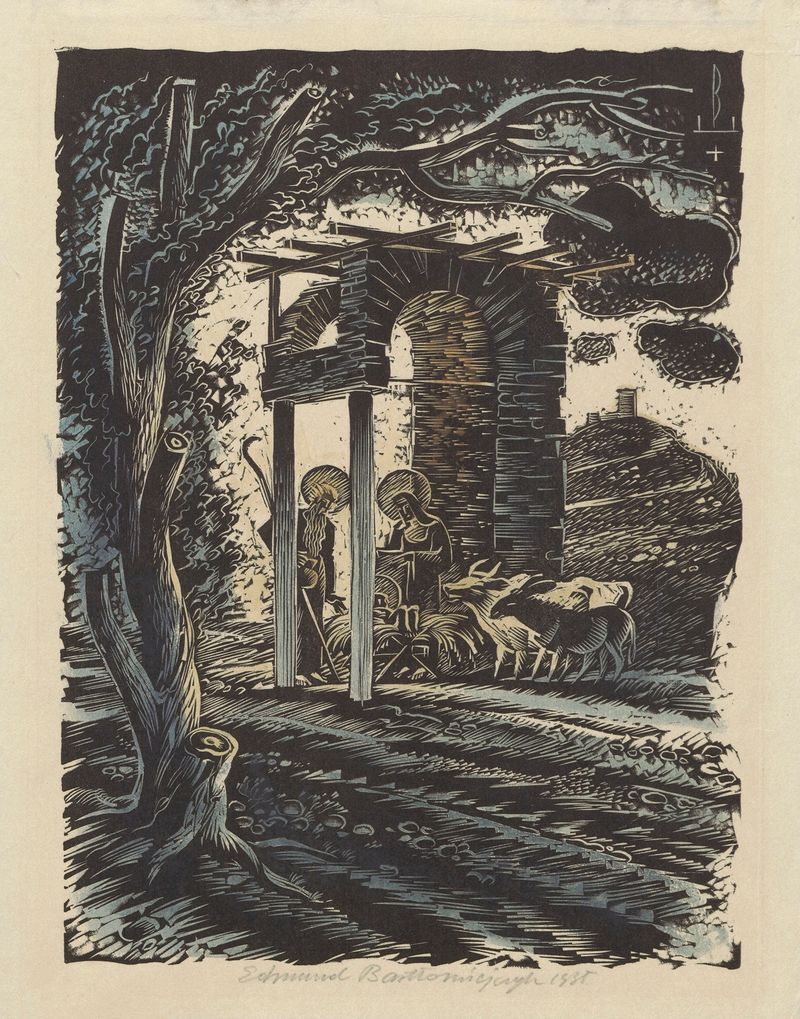
Stajenka ‘Boże Narodzenie’
Edmund Bartłomiejczyk
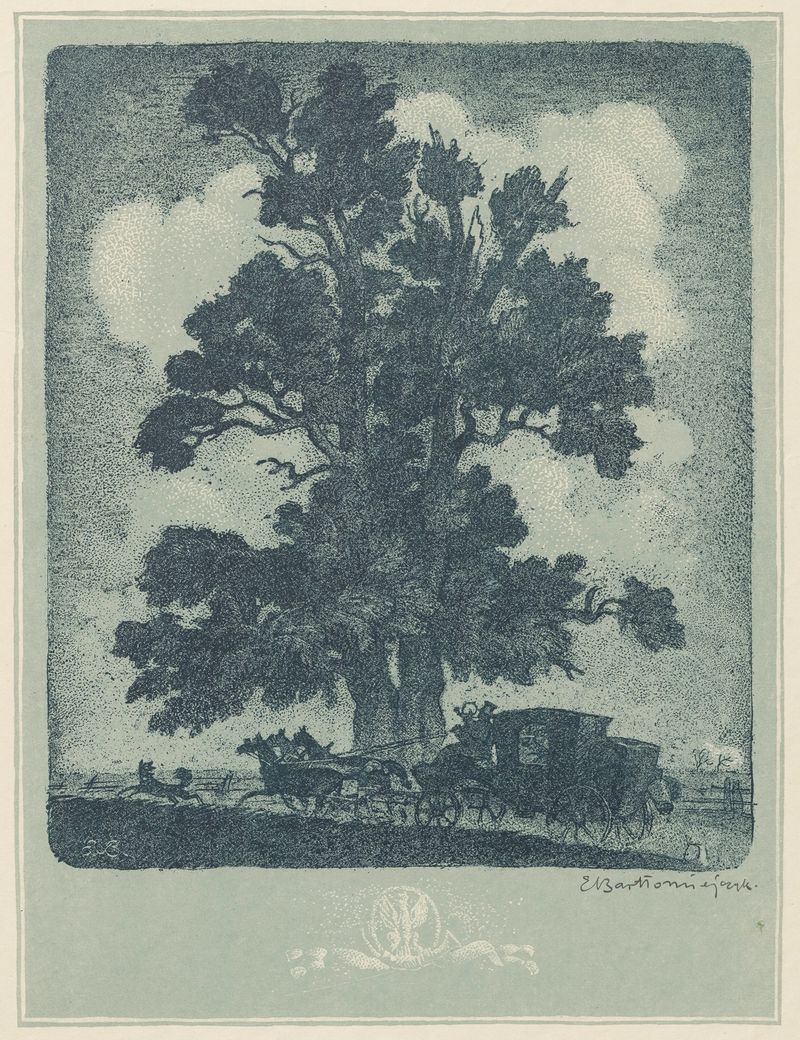
Dyliżans
Edmund Bartłomiejczyk
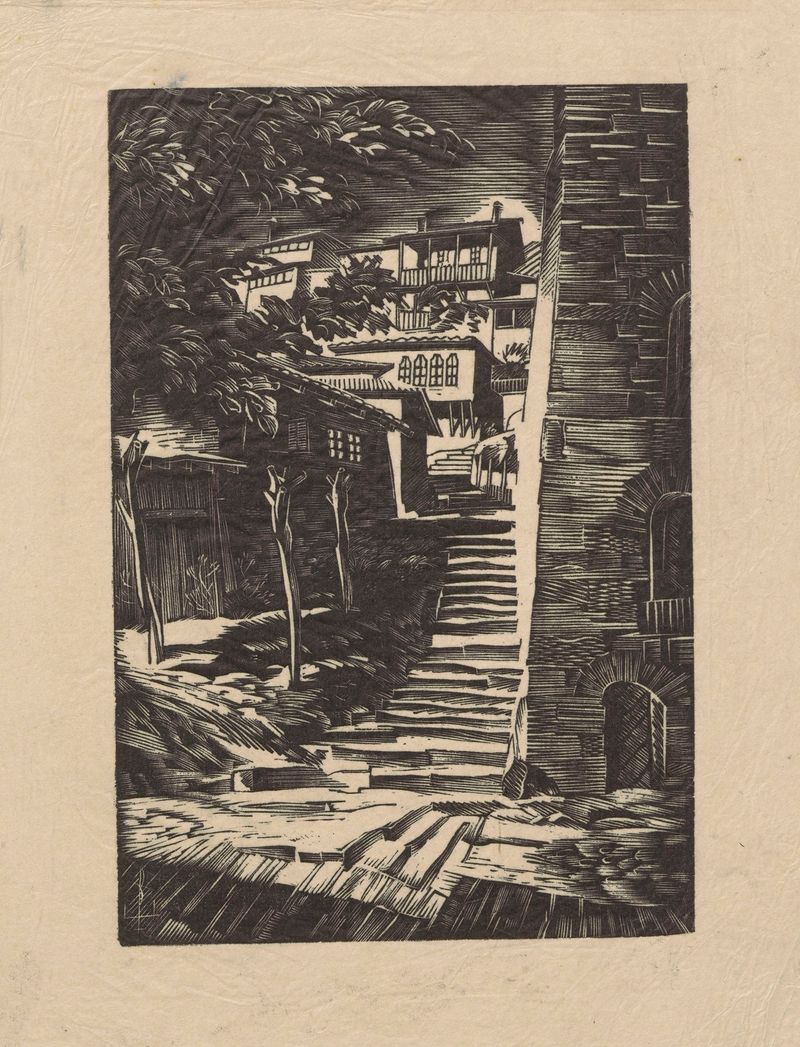
Motyw z Tirnowa – Schody
Edmund Bartłomiejczyk
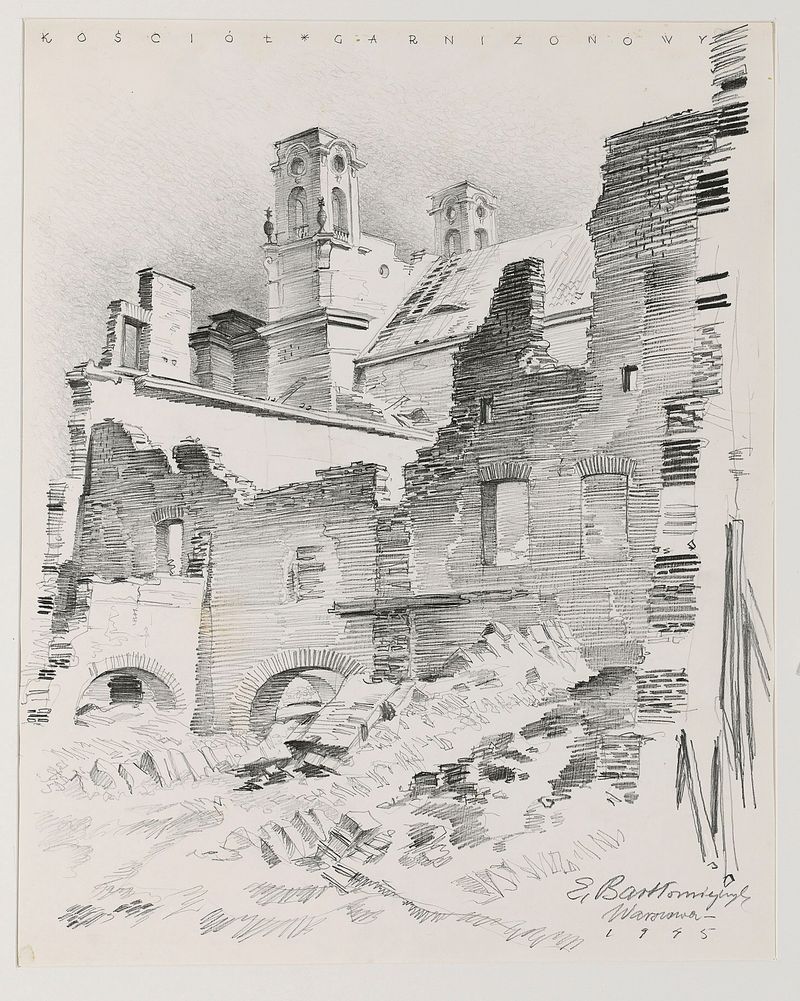
Kościół Garnizonowy II
Edmund Bartłomiejczyk
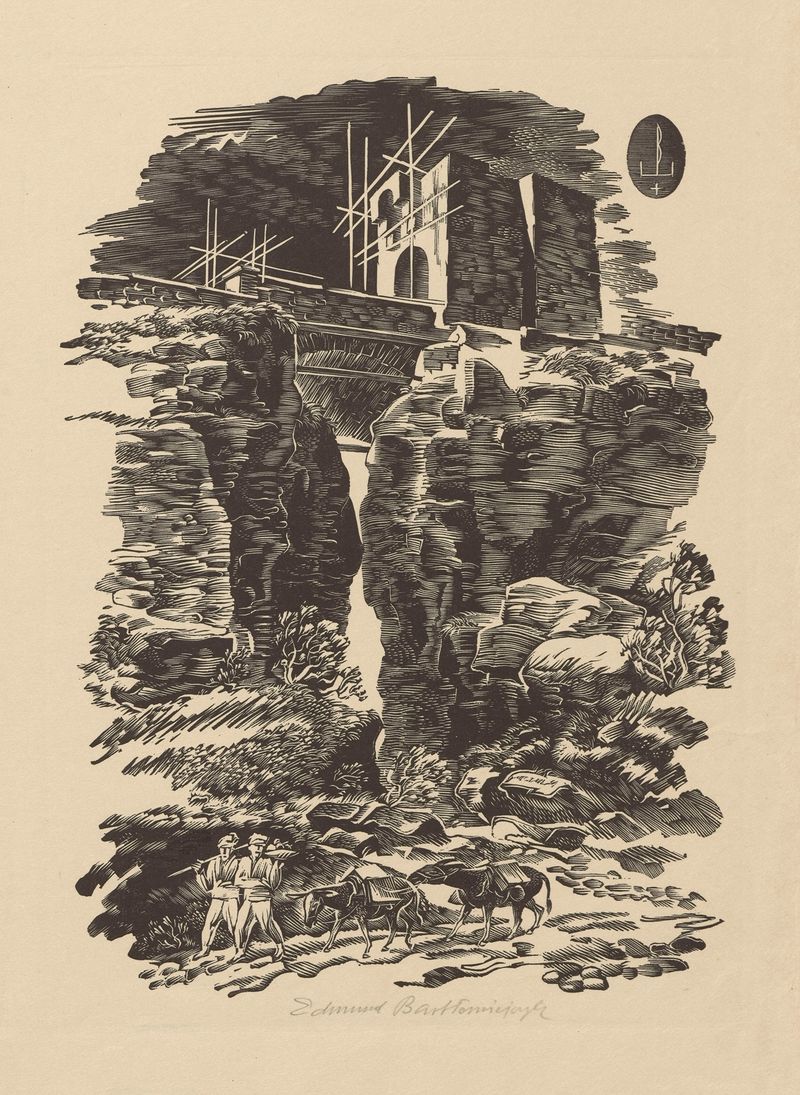
Motyw z Tirnowa
Edmund Bartłomiejczyk
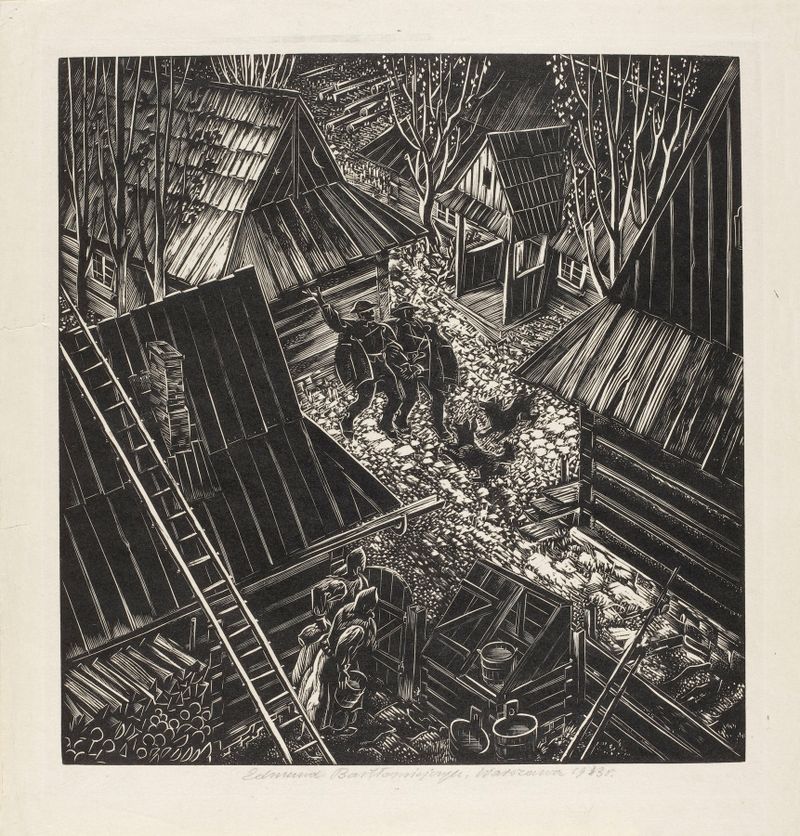
Lany poniedziałek
Edmund Bartłomiejczyk
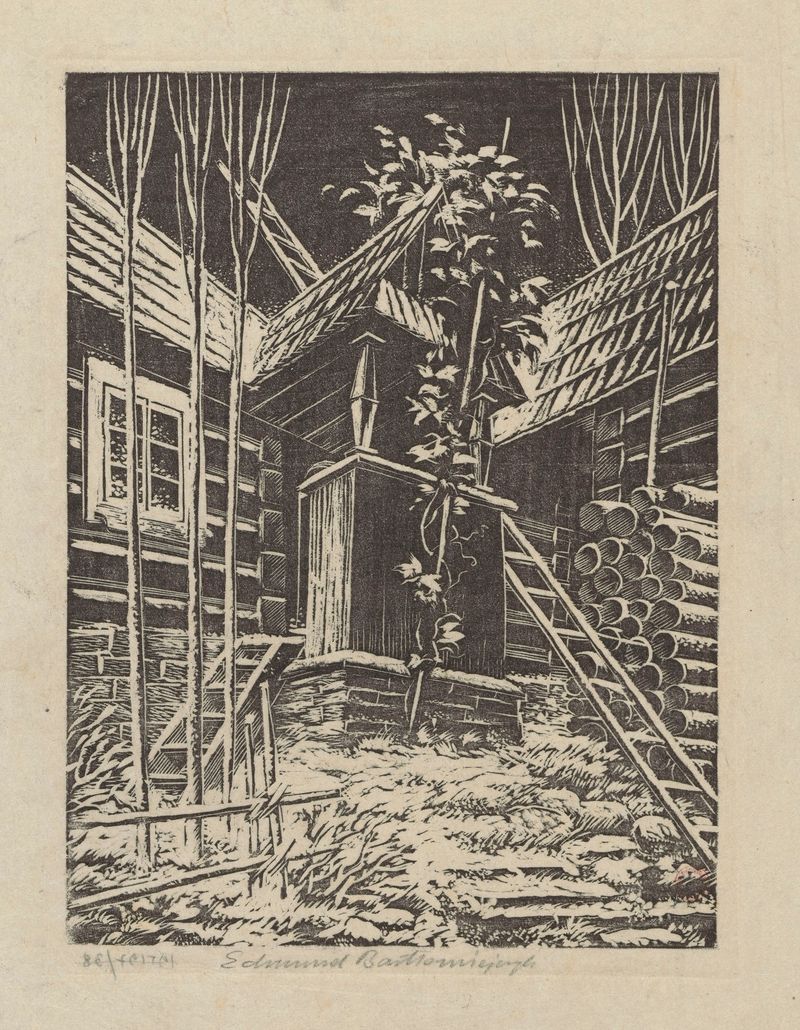
Ganek w Brzegach
Edmund Bartłomiejczyk
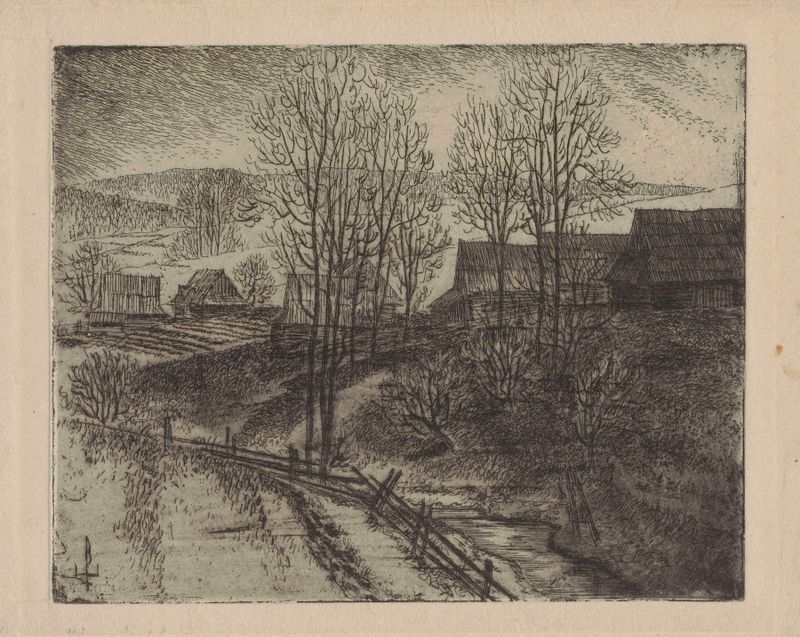
Wieś góralska Brzegi
Edmund Bartłomiejczyk