
Zamek Królewski — History & Facts
Can beauty exist without sorrow? In Zamek Królewski, the haunting elegance of a royal castle stands as a testament to both splendor and loss, inviting the viewer to ponder the weight of history. Look to the center where the castle looms, its grand towers reaching toward an uncertain sky. The artist employs a muted color palette, primarily deep blues and faded grays, which create a somber atmosphere. Notice how the light gently caresses the building's façade, highlighting intricate architectural details while casting long shadows.
This interplay of light and dark evokes a sense of nostalgia, as if the castle itself is mourning the glory days it once witnessed. Yet beneath this majestic exterior lies a deep emotional tension—the castle is not merely a structure, but a relic of a bygone era, embodying the sorrows of a nation. The subtle disarray surrounding the castle, with hints of decay and overgrowth, contrasts with its once-proud image, reflecting the tumult experienced during and after wartime. This duality of beauty and melancholy resonates throughout the composition, beckoning the viewer to explore the stories held within its walls. In 1945, Edmund Bartłomiejczyk painted Zamek Królewski while navigating the aftermath of World War II in Poland.
As a tumultuous period unfolded in his homeland, he utilized his artistry to capture the essence of loss and resilience. This painting emerged against a backdrop of national upheaval, marking a poignant moment in both his personal journey and in the broader narrative of Polish art, which sought to reclaim identity and memory amidst devastation.
More Artworks by Edmund Bartłomiejczyk
Browse all →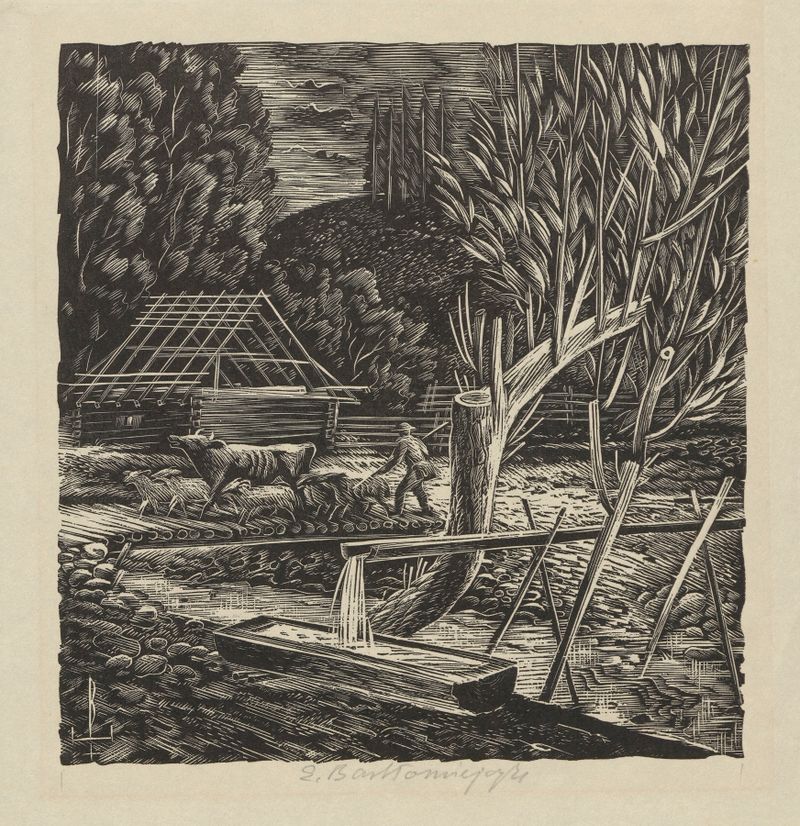
W Gorcach
Edmund Bartłomiejczyk
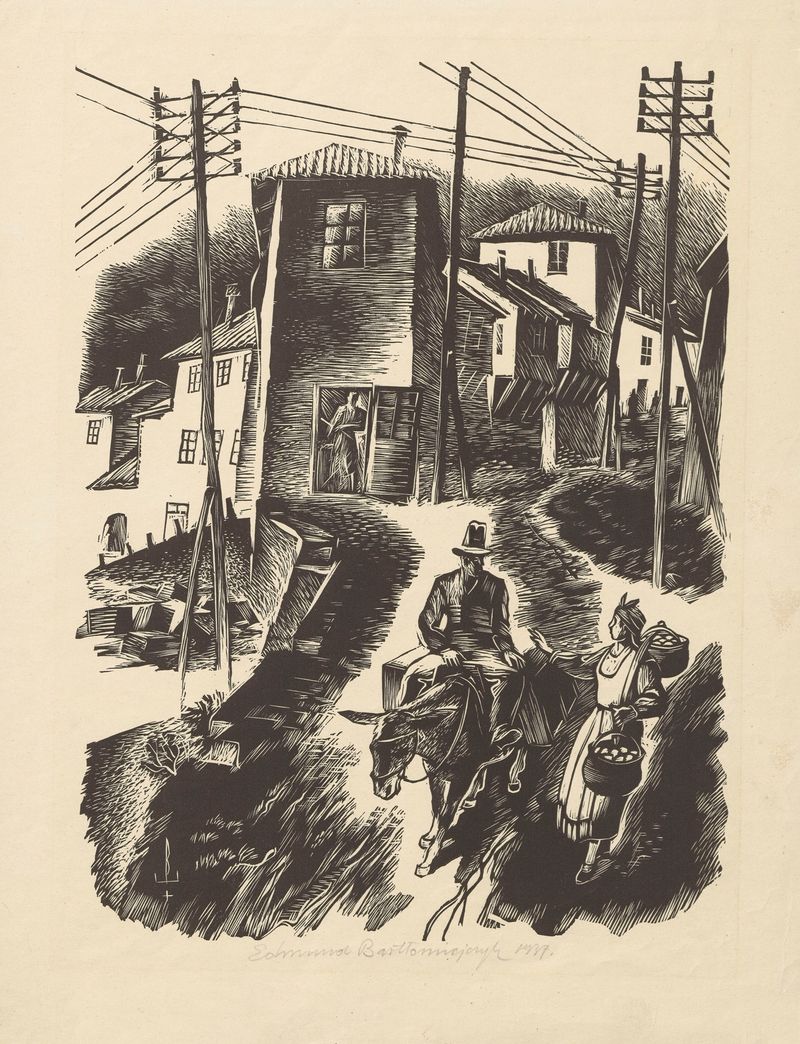
Uliczka w Tirnowie
Edmund Bartłomiejczyk
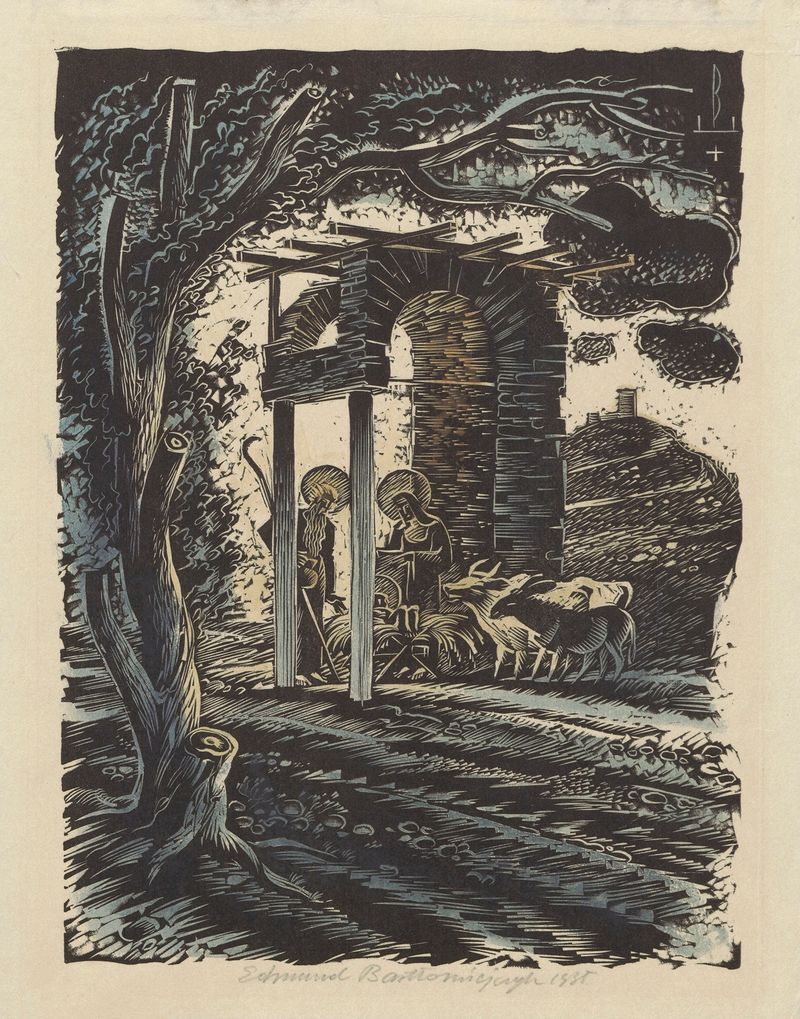
Stajenka ‘Boże Narodzenie’
Edmund Bartłomiejczyk
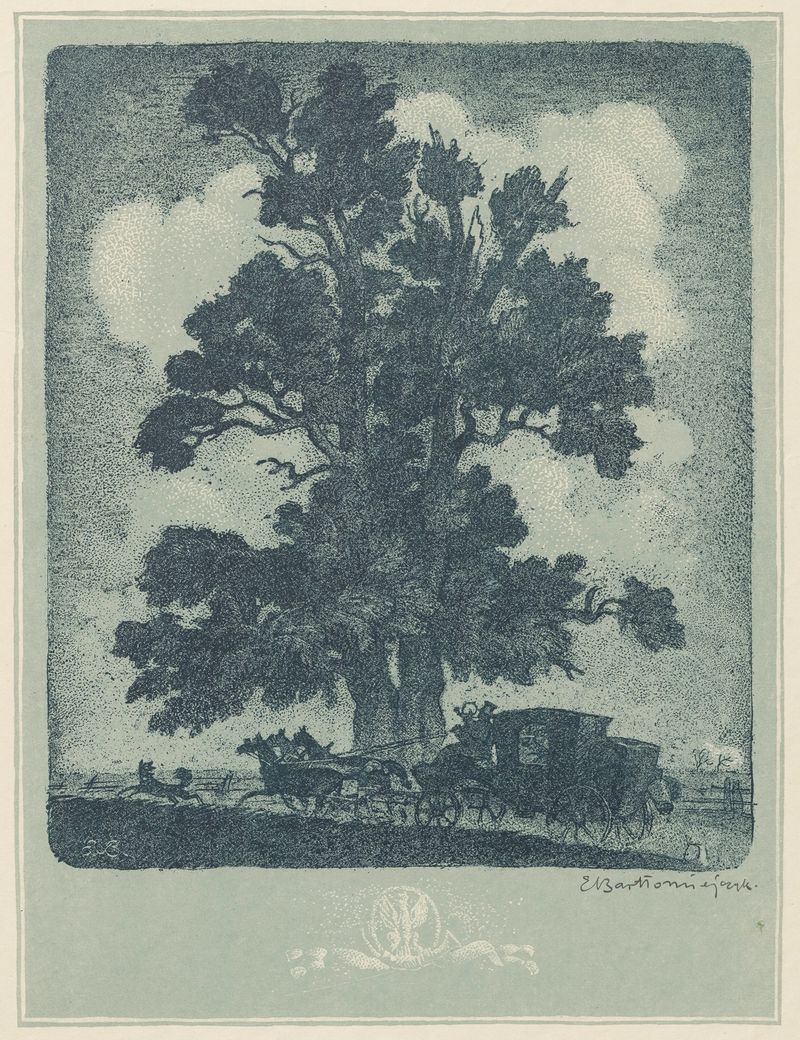
Dyliżans
Edmund Bartłomiejczyk
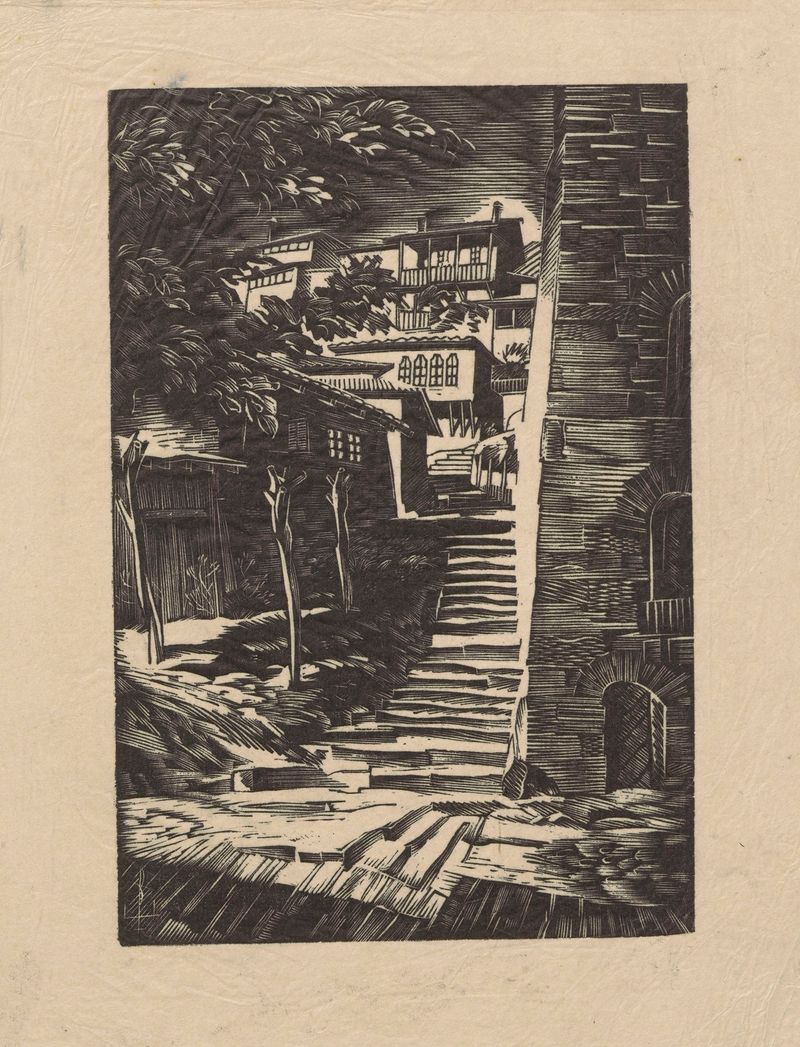
Motyw z Tirnowa – Schody
Edmund Bartłomiejczyk
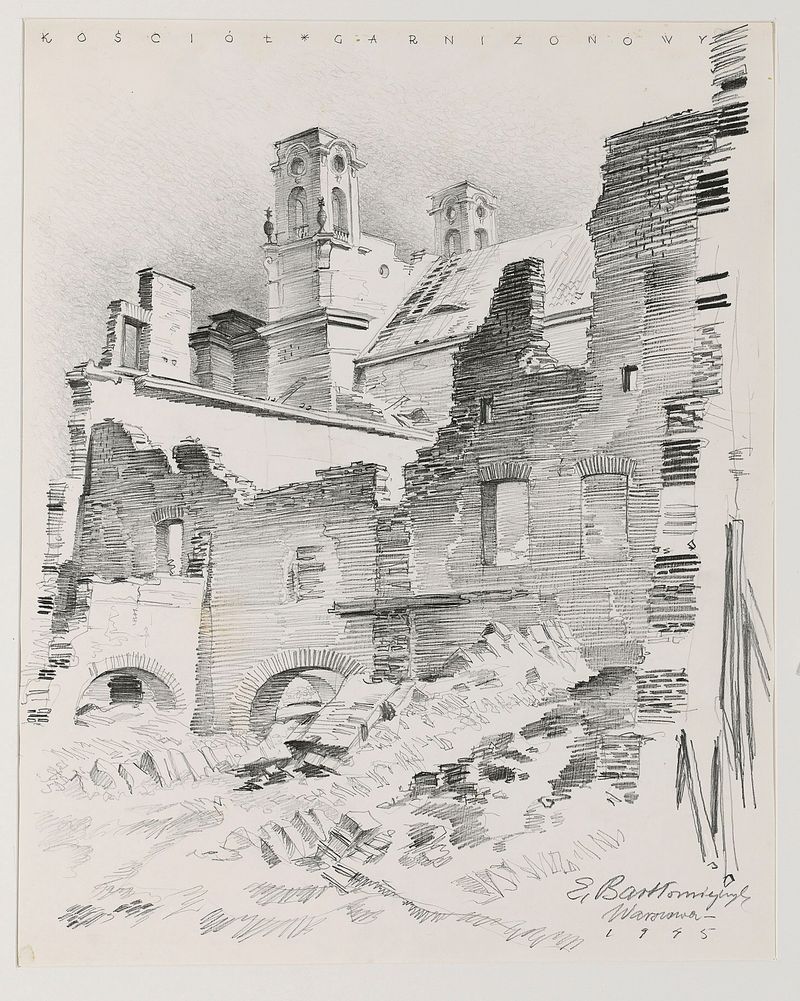
Kościół Garnizonowy II
Edmund Bartłomiejczyk
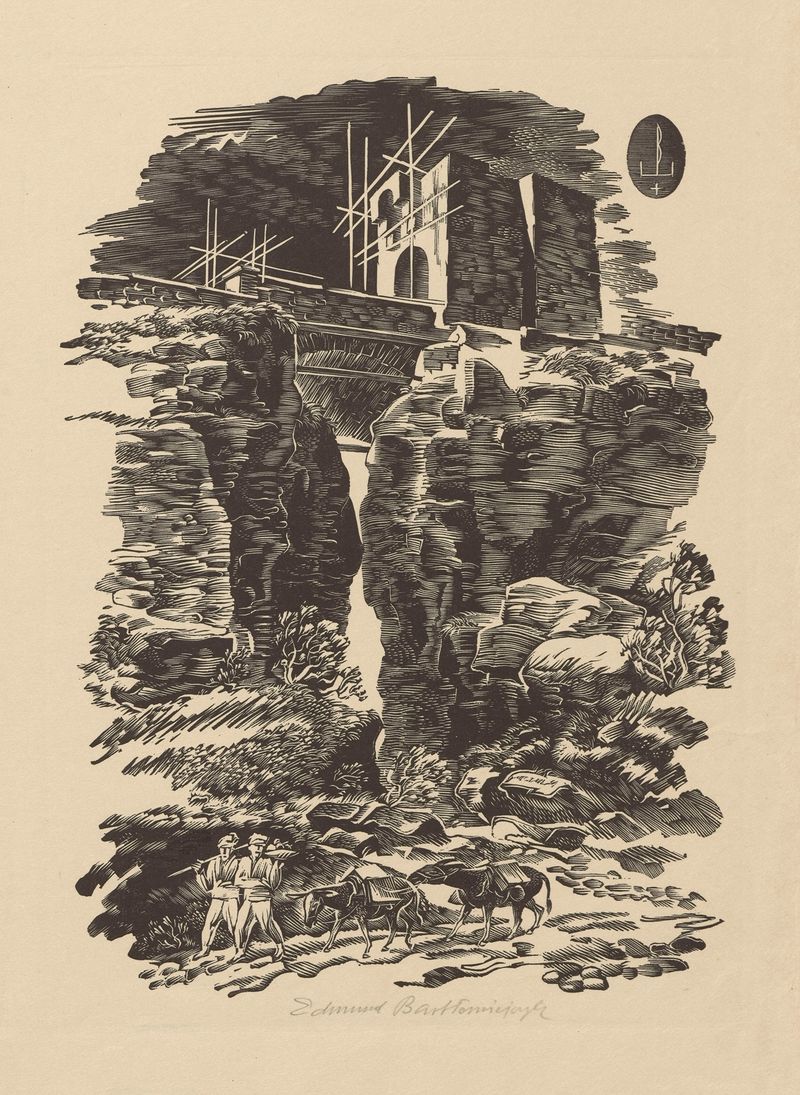
Motyw z Tirnowa
Edmund Bartłomiejczyk
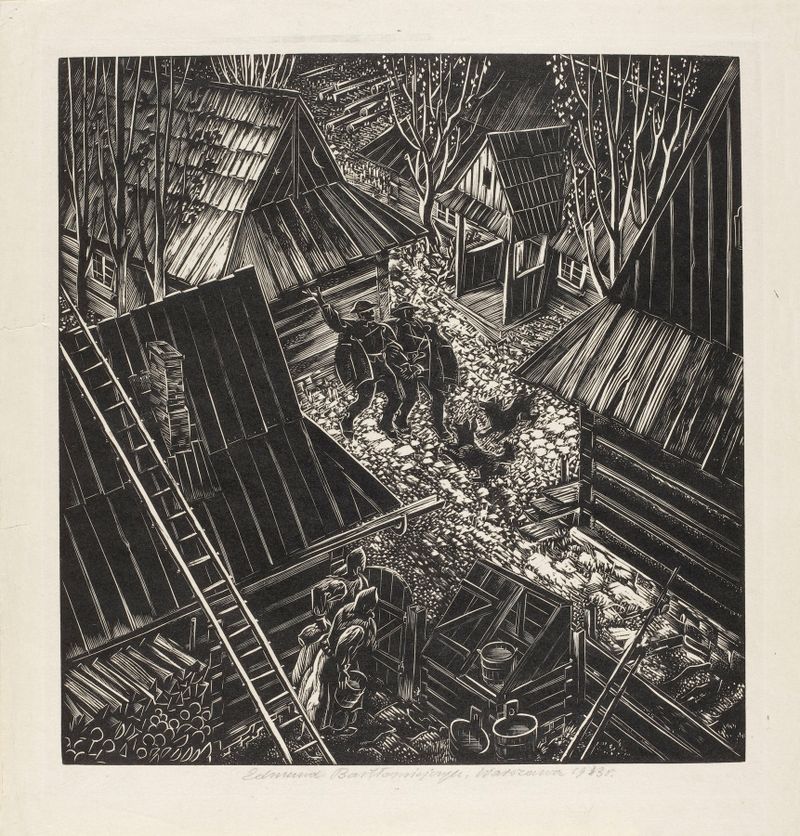
Lany poniedziałek
Edmund Bartłomiejczyk
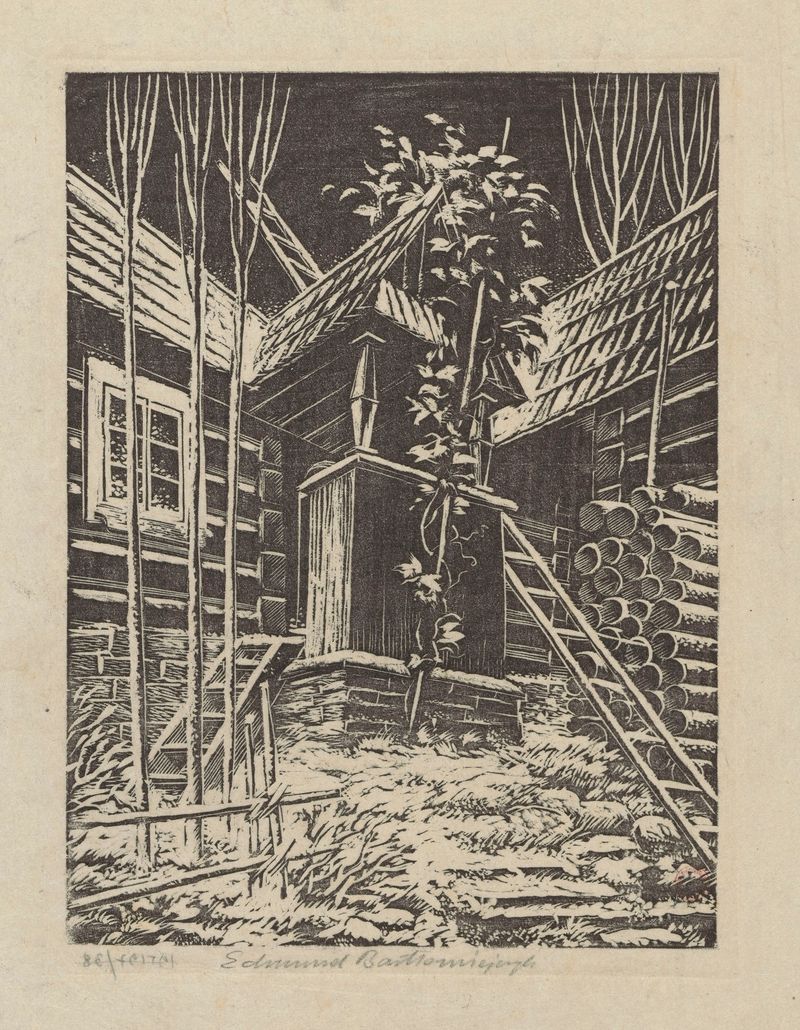
Ganek w Brzegach
Edmund Bartłomiejczyk
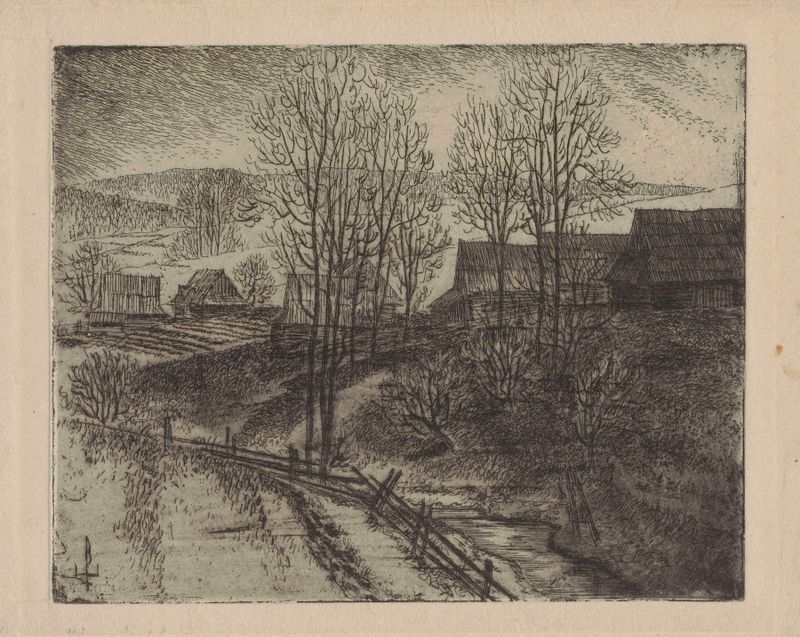
Wieś góralska Brzegi
Edmund Bartłomiejczyk
More Architecture Art
Browse all →
The statue of Liberty
Frédéric Auguste Bartholdi

View of Houses in Delft, Known as ‘The Little Street’
Johannes Vermeer

View of Houses in Delft, Known as ‘The Little Street’
Johannes Vermeer

The Cathedral in Rouen. The portal, Grey Weather
Claude Monet

The yellow house
Vincent van Gogh

The Church in Auvers-sur-Oise, View from the Chevet
Vincent van Gogh