
Stamboul — History & Facts
Where does light end, and longing begin? In the quiet ambiance of Stamboul, a rich tapestry of emotion unfolds, capturing the bittersweet essence of memory and loss. Focus on the soft interplay of light as it bathes the scene, illuminating the intricate details of the architecture. Notice how the sun filters through ornate arches, casting fleeting shadows on the cobblestones. The warm tones of ochre and amber evoke a sense of nostalgia, while the deep blues in the sky hint at the vastness of unfulfilled desires.
Sargent's brushwork, delicate yet assertive, guides your eye to the figures, who seem suspended in contemplative silence, embodying a world just beyond reach. Amid the architectural grandeur, the figures convey a poignant contrast: their stillness against the vibrant backdrop of a bustling market. Each person appears lost in thought, a reflection of grief subtly woven into the fabric of the moment. The composition invites viewers to ponder their own narratives of longing, drawing connections between the vivid colors of life and the shadows of sorrow that linger just out of sight. In 1891, John Singer Sargent painted Stamboul during a transformative period in his career.
Having navigated the art world in Europe, he found inspiration in the rich cultural landscape of the Ottoman Empire. Sargent’s travels during this time not only expanded his artistic horizons but also deepened his understanding of the emotional undertones that define human experience, ultimately shaping his legacy as one of the foremost portraitists of his generation.
More Artworks by John Singer Sargent
Browse all →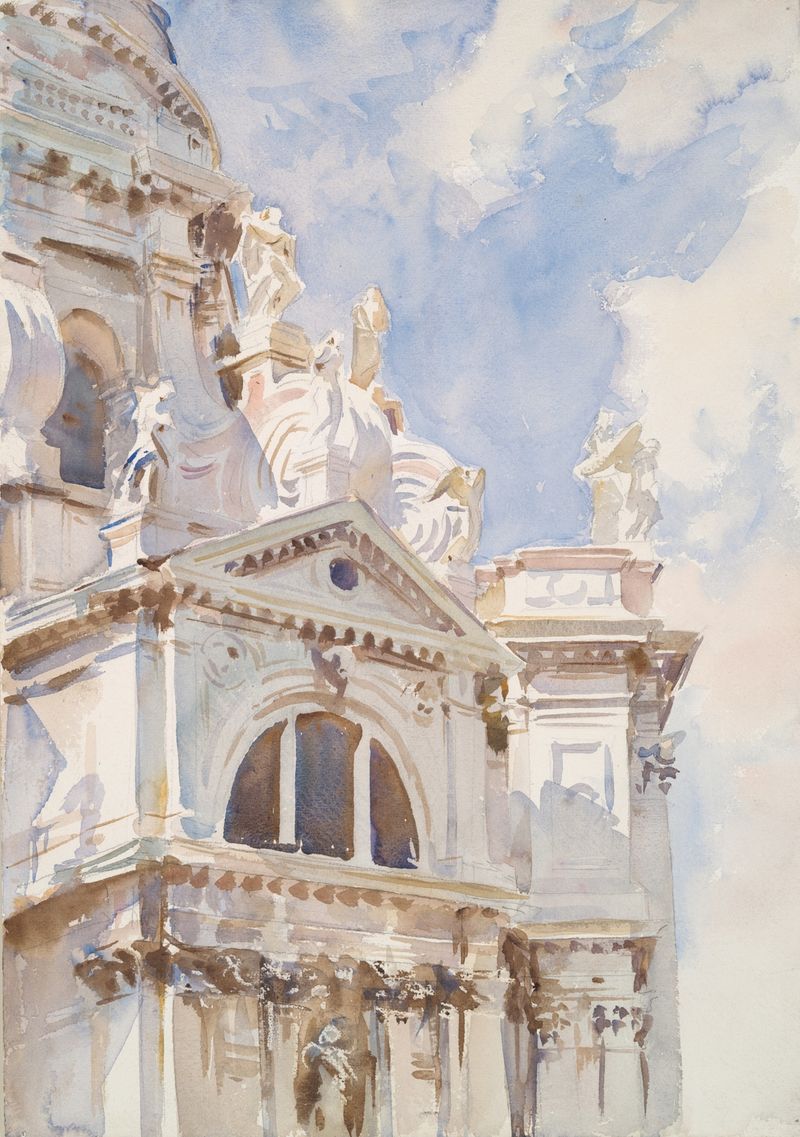
The Salute, Venice
John Singer Sargent

Mrs. Charles Deering (Marion Denison Whipple)
John Singer Sargent
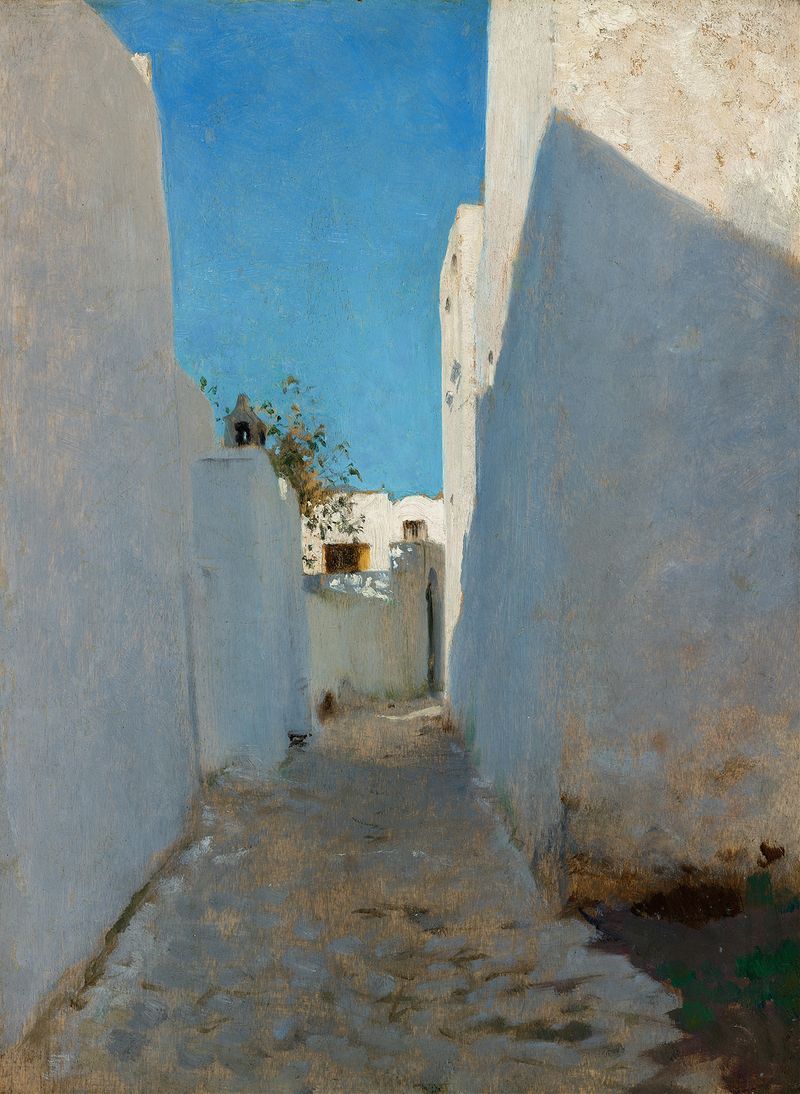
A Moroccan Street Scene
John Singer Sargent
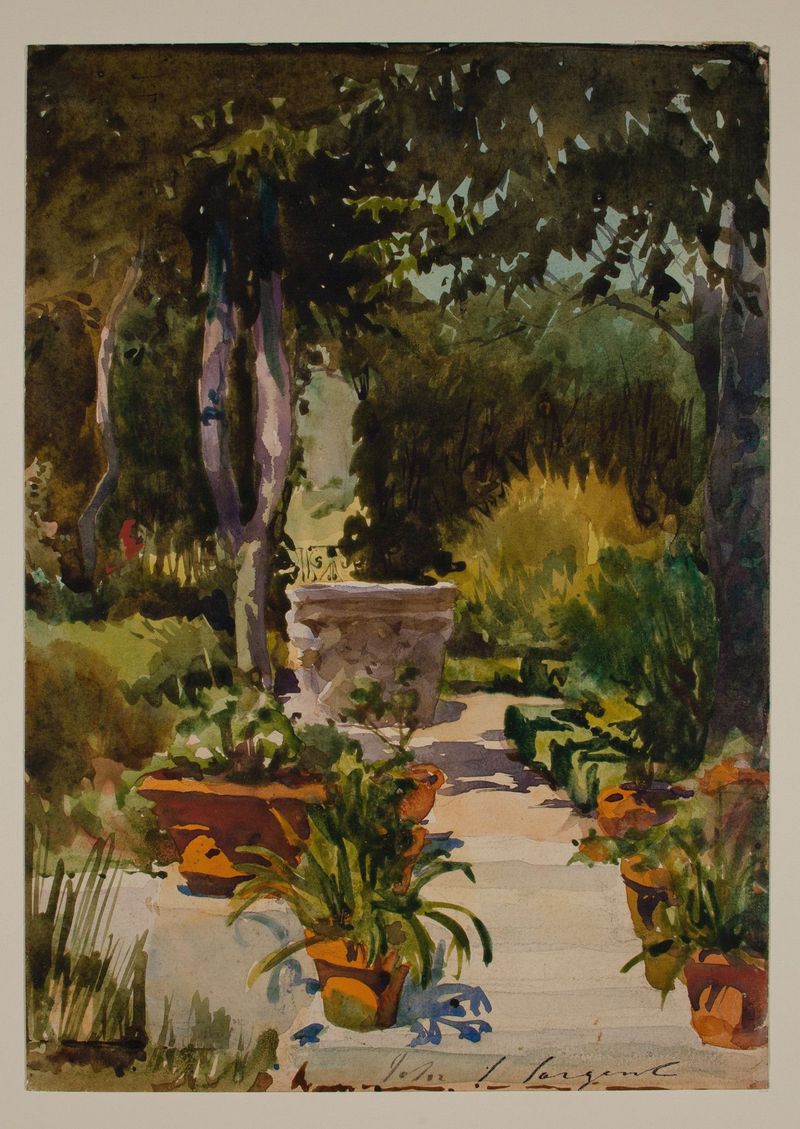
Mrs. Thayer’s Garden, Massachusetts
John Singer Sargent
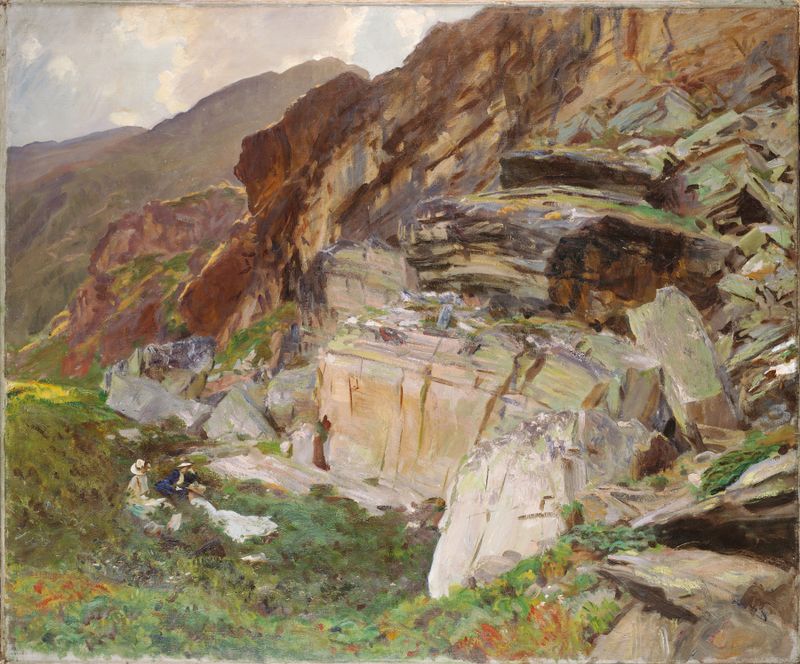
In the Simplon Valley
John Singer Sargent
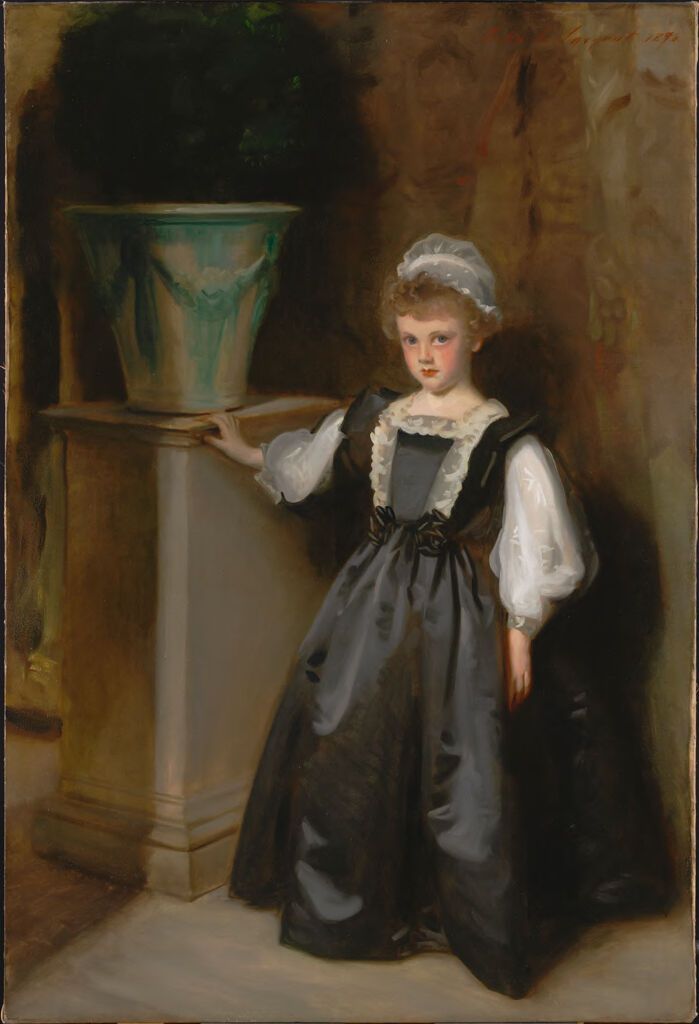
The Honorable Laura Lister
John Singer Sargent
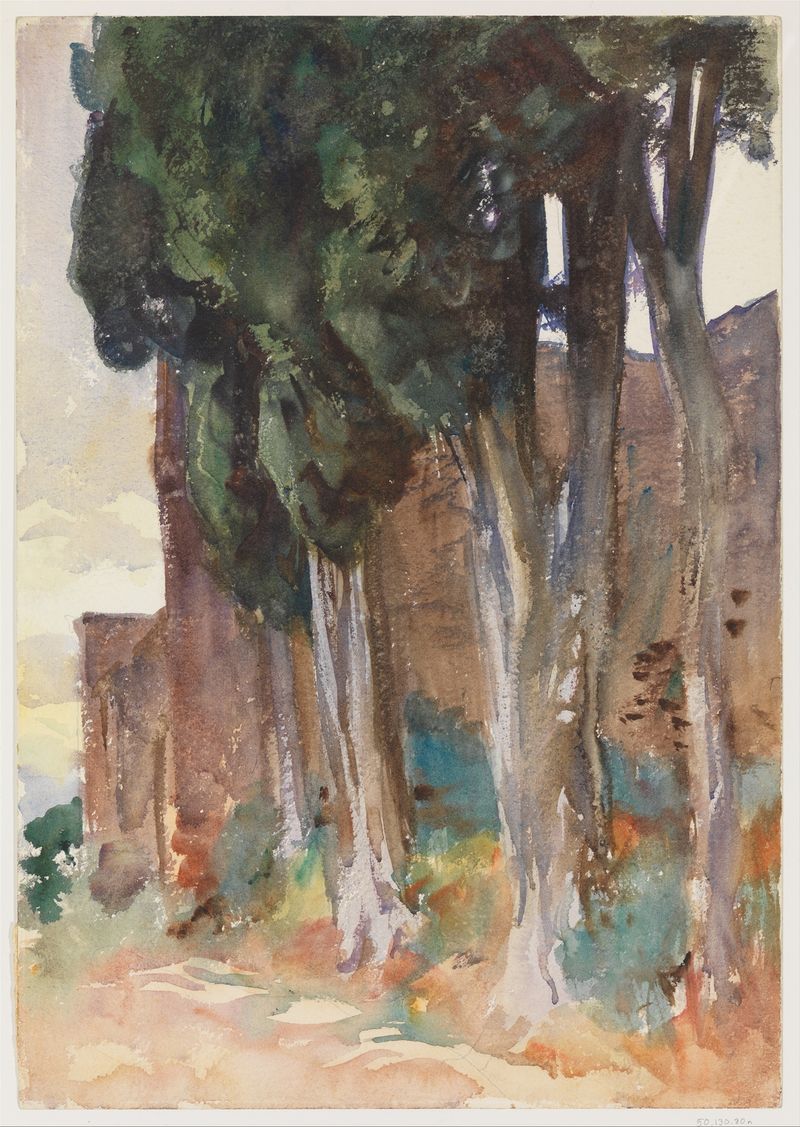
Alhambra, Granada
John Singer Sargent
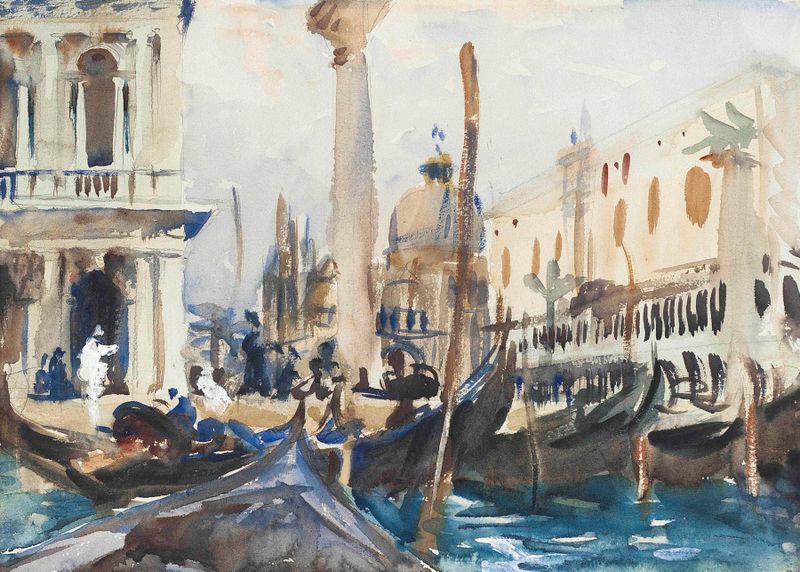
The Piazzetta with Gondolas
John Singer Sargent
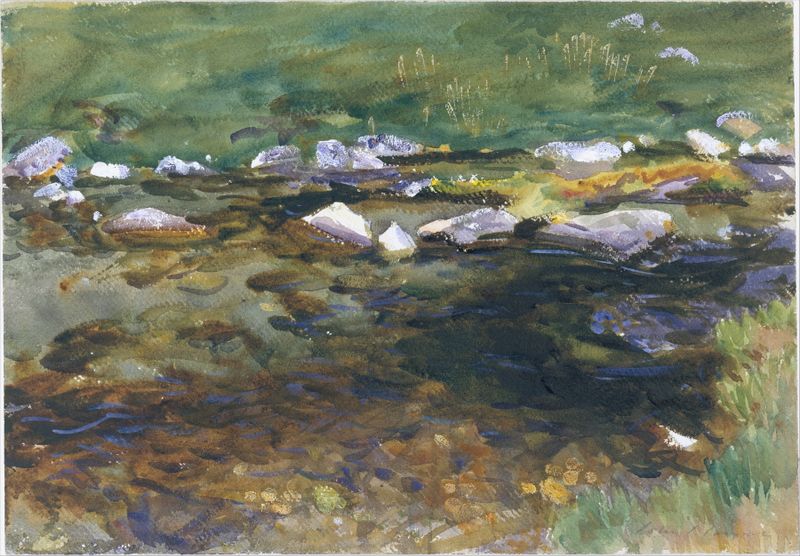
Brook and Meadow
John Singer Sargent
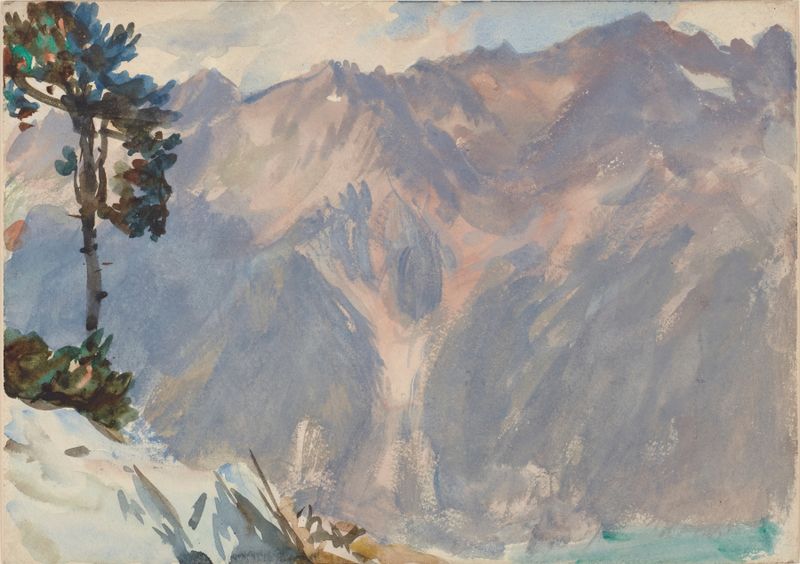
Tyrol
John Singer Sargent
More Architecture Art
Browse all →
The statue of Liberty
Frédéric Auguste Bartholdi

View of Houses in Delft, Known as ‘The Little Street’
Johannes Vermeer

View of Houses in Delft, Known as ‘The Little Street’
Johannes Vermeer

The Cathedral in Rouen. The portal, Grey Weather
Claude Monet

The yellow house
Vincent van Gogh

The Church in Auvers-sur-Oise, View from the Chevet
Vincent van Gogh