Standing Figure and Seated Figure — History & Facts
In Standing Figure and Seated Figure, George Romney presents two figures, one standing and the other seated. The standing figure is depicted in a dynamic pose, suggesting movement and vitality. The seated figure, in contrast, appears more contemplative and relaxed.
The color palette features soft tones, with a focus on warm hues that enhance the figures' presence. The painting showcases Romney's skill in rendering human forms with a keen attention to detail. The textures of the clothing and the play of light across the figures create a sense of depth. Viewers can observe the fine brushwork that characterizes Romney's style, typical of the Romantic period.
The composition balances the two figures, drawing the viewer's eye between them. George Romney was an English portrait painter known for his ability to capture the likeness and character of his subjects. This work, created in the c. 1780s, reflects the Romantic style that emphasizes emotion and individualism.
An interesting fact about this painting is that it may have been influenced by the growing interest in human psychology during the late 18th century. Romney's works often feature themes of beauty and grace, making him a notable figure in British art history.
More Artworks by George Romney

Lady Hamilton as Tragedy
George Romney
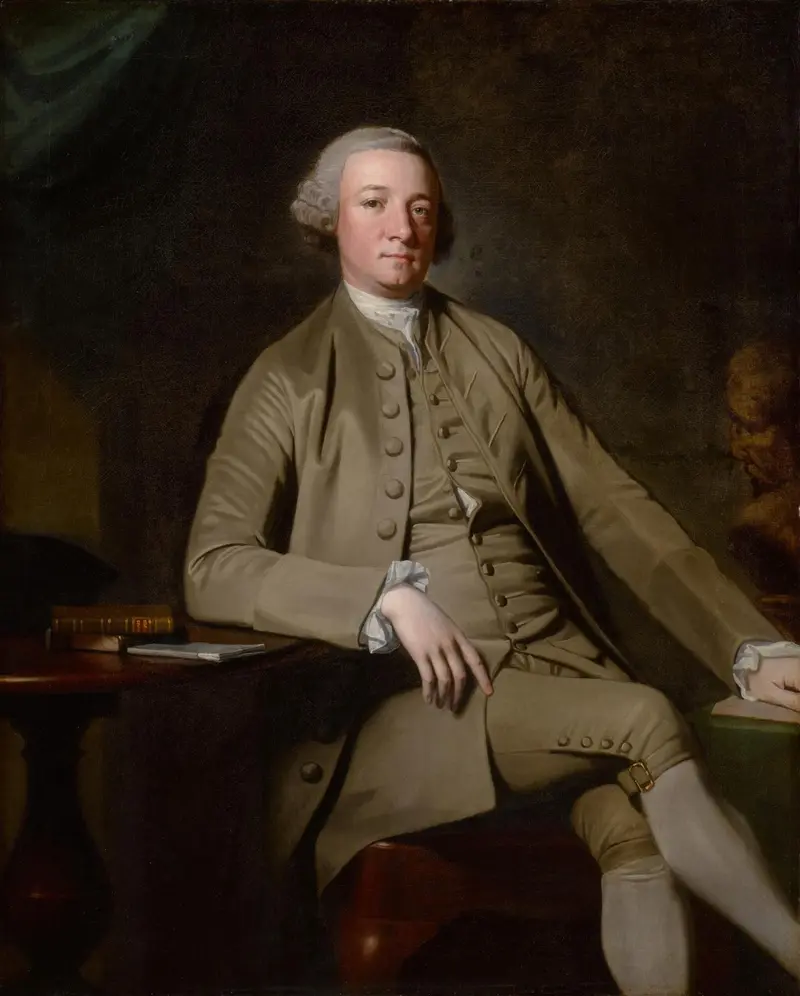
Portrait of a Gentleman, seated, probably William Suddel of Lancaster
George Romney
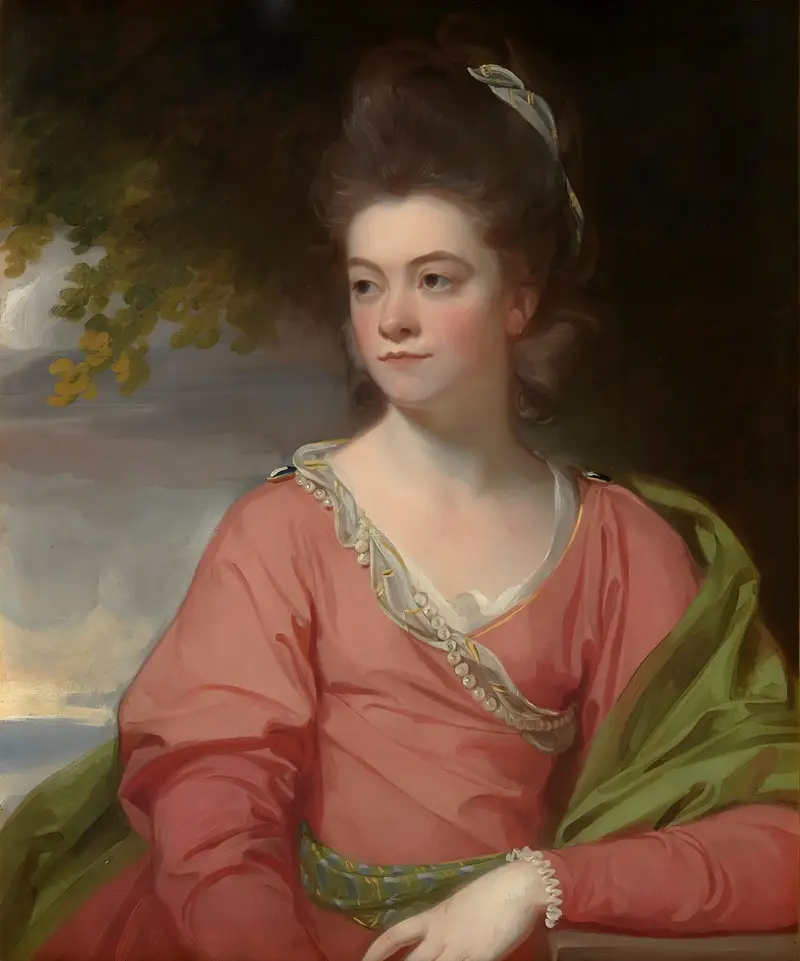
Portrait of a lady, traditionally identified as Miss Inchbold
George Romney
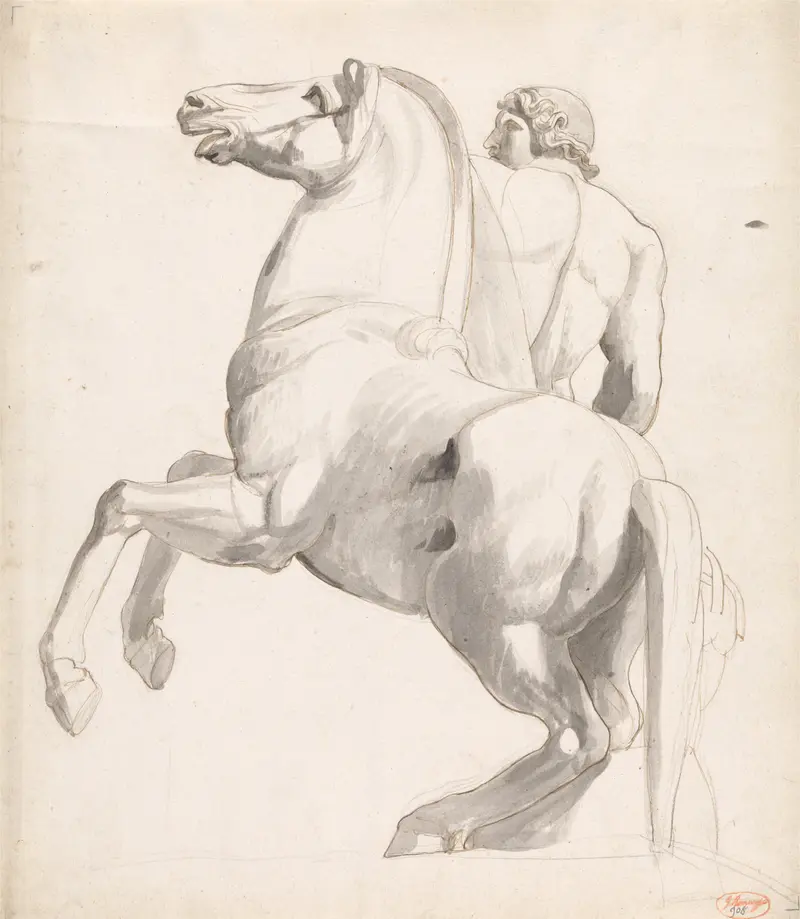
Horseman of Montecavallo
George Romney
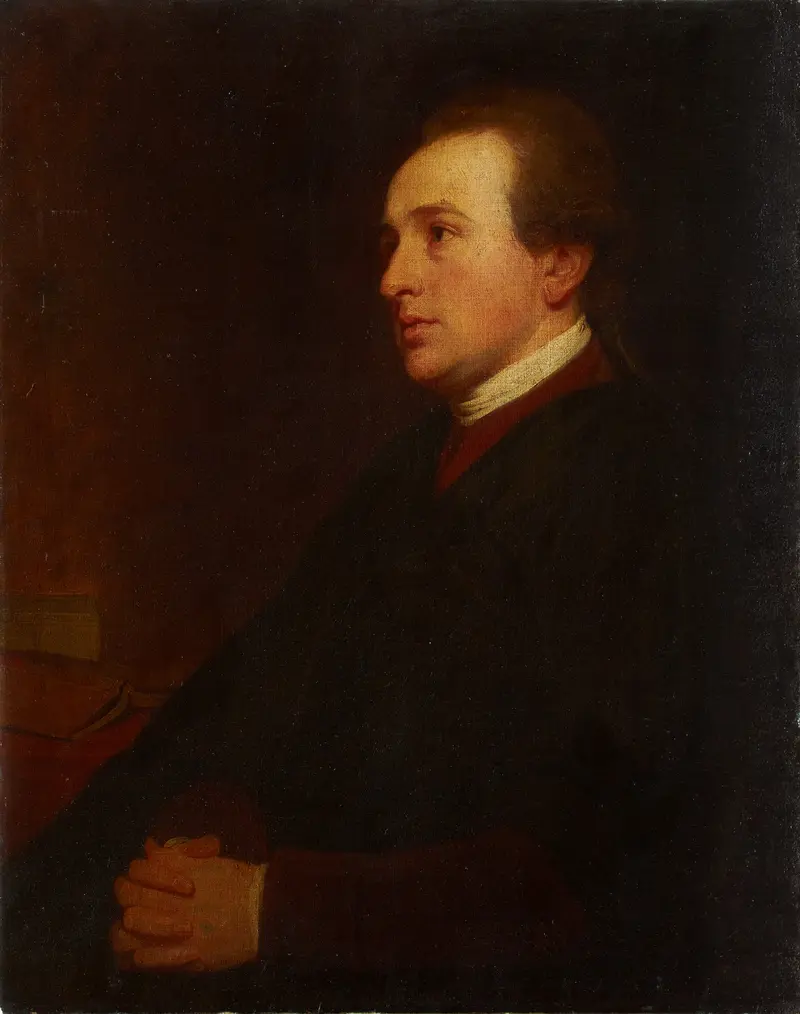
Portrait of a Young Man at his Desk
George Romney
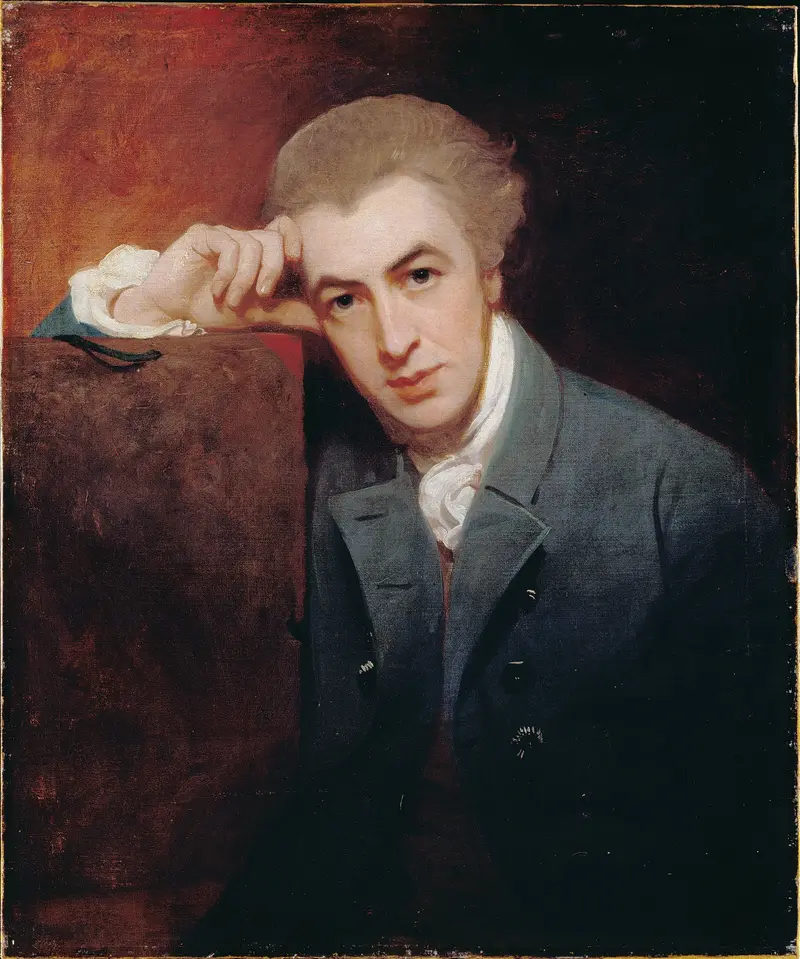
William Hayley
George Romney
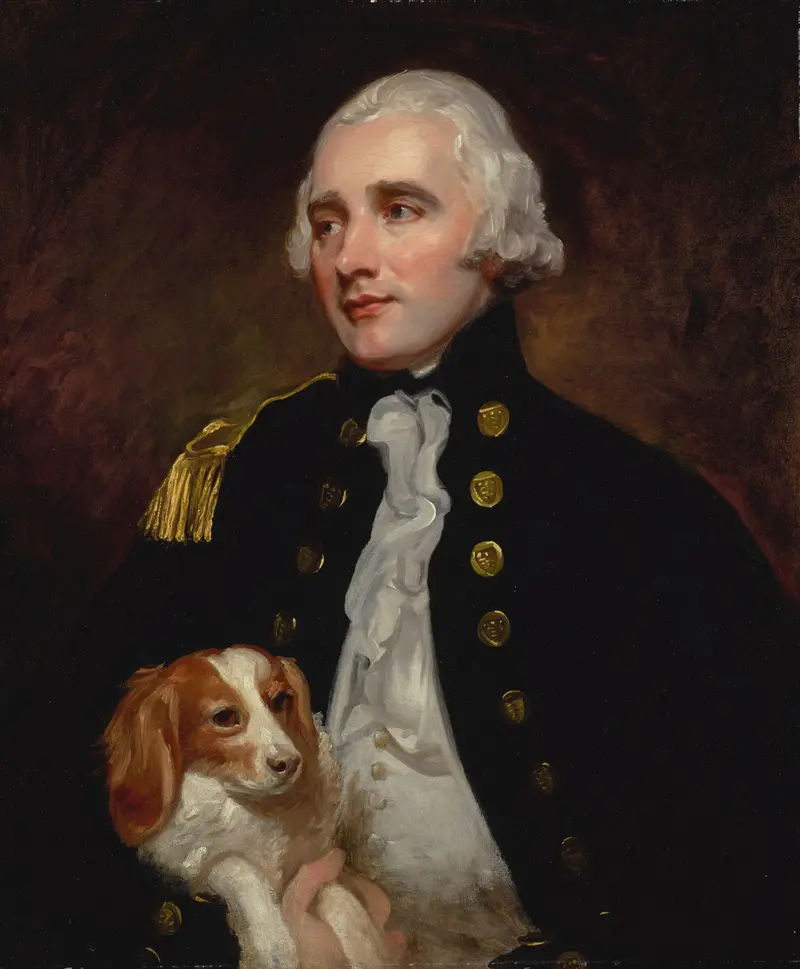
Portrait Of An Officer Of The Corps Of Engineers, Half-Length, Formerly Identified As Sir George Grey
George Romney
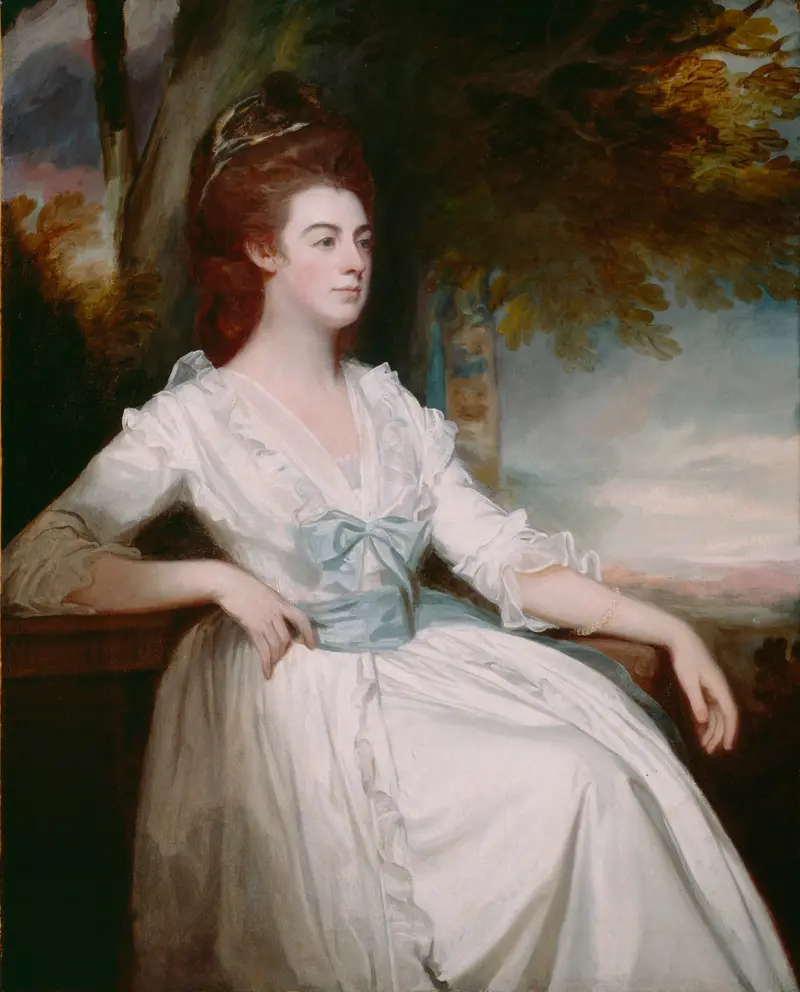
Miss Clavering
George Romney
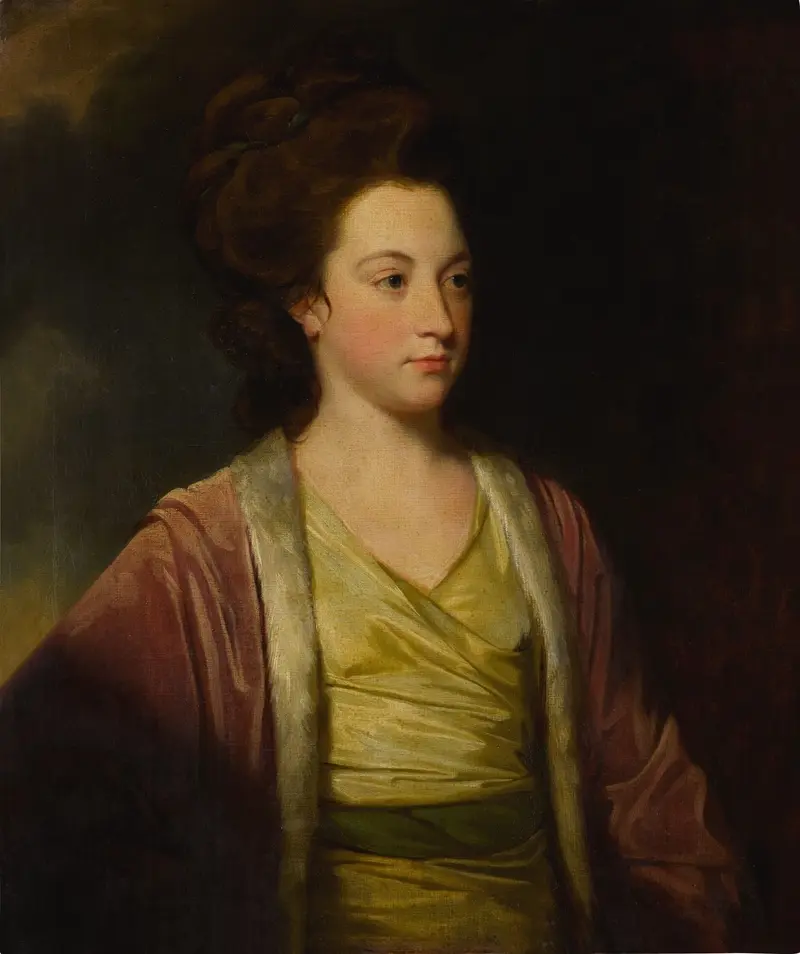
Portrait of Frances Alicia Bennet (b. 1749)
George Romney
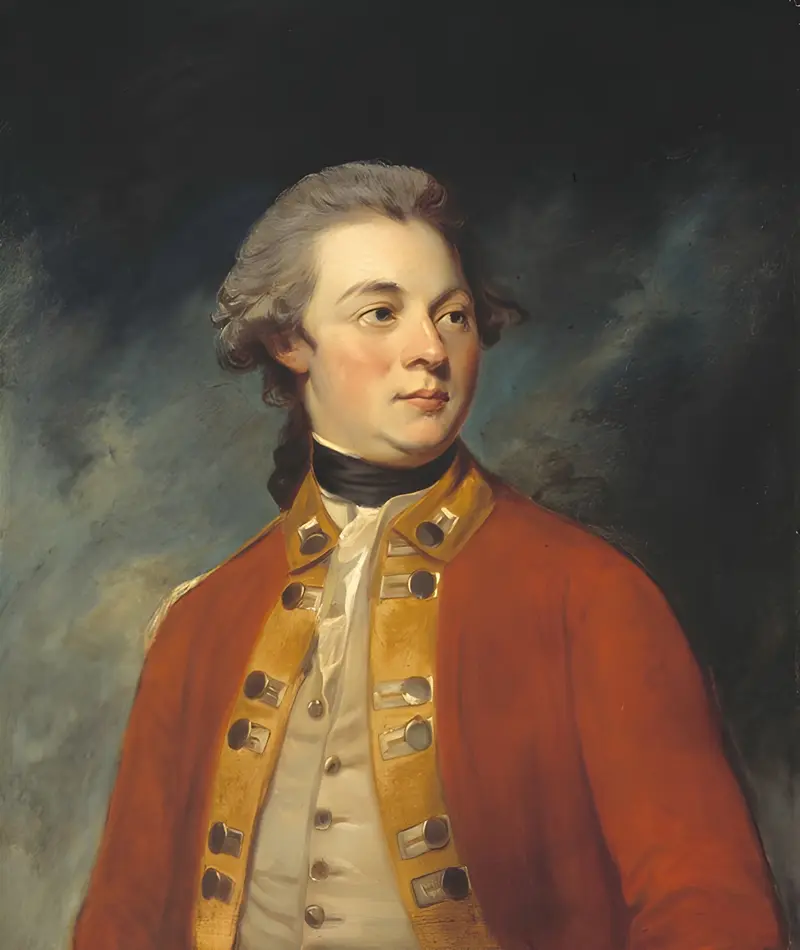
Portrait of Francis North, 4th Earl of Guilford (1761-1817)
George Romney