
Statue dans un parc — History & Facts
When did color learn to lie? In the world of Statue dans un parc, the vibrant hues and delicate strokes beckon us into a deceptive reality, where illusion and truth intertwine playfully. Look to the left at the striking contrast between the soft greens and the bold reds that dance across the canvas. The lush foliage embraces a solitary figure, cloaked in shadow yet illuminated by the dappled sunlight filtering through the trees. The artist employs a mosaic of brushstrokes, each hue layered with intention, creating an atmosphere that pulsates with life.
Notice how the composition draws your gaze toward the statue—its serene expression frozen in time, yet surrounded by the dynamic movement of nature. The interplay of light and shadow evokes whispers of solitude and contemplation, inviting viewers to ponder the nature of existence itself. The statue, both a fixture and an enigma, stands as a metaphor for permanence amid fleeting moments. Here we find a tension between the organic forms of the park and the rigid, manmade structure of the figure, prompting deeper reflections on how we perceive reality versus the façade of beauty. Achille Laugé painted Statue dans un parc during a period marked by the rise of modernism in France, a time when artists sought to break from tradition.
It embodies his exploration of color theory and experimental techniques, flourishing in a vibrant art scene influenced by Impressionism yet distinct in its depth and emotional resonance. This work, created in the early 20th century, reflects both his personal journey and a broader cultural shift toward abstraction and perception.
More Artworks by Achille Laugé
Browse all →
Ruelle au balcon fleuri
Achille Laugé

L’hort À Cailhau
Achille Laugé
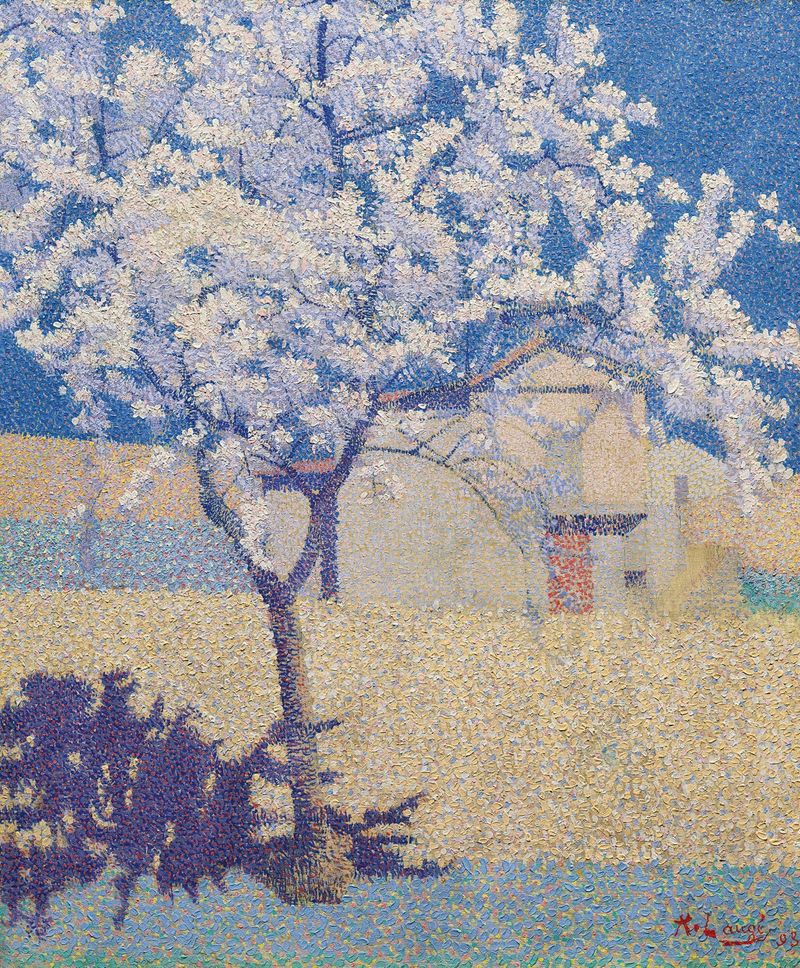
L’Arbre En Fleur
Achille Laugé

L’allée de saules derrière l’Alouette à Cailhau
Achille Laugé
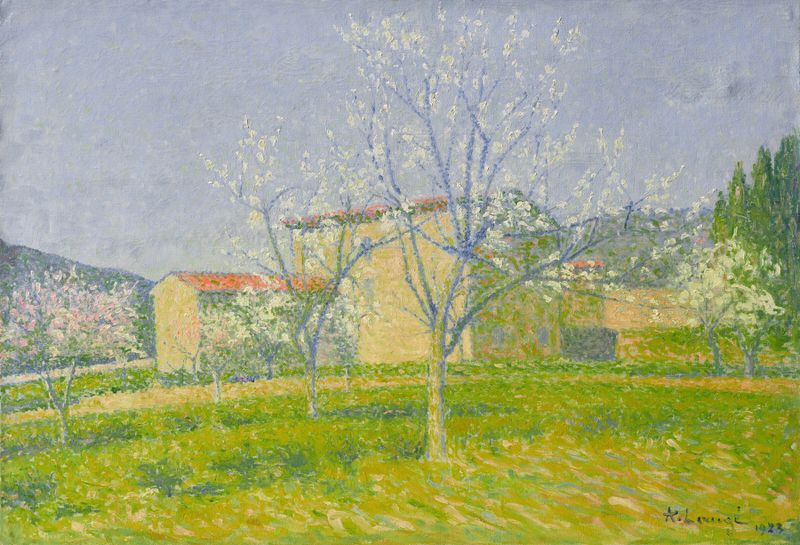
Verger en fleurs à Alet-les-Bains (Aude)
Achille Laugé
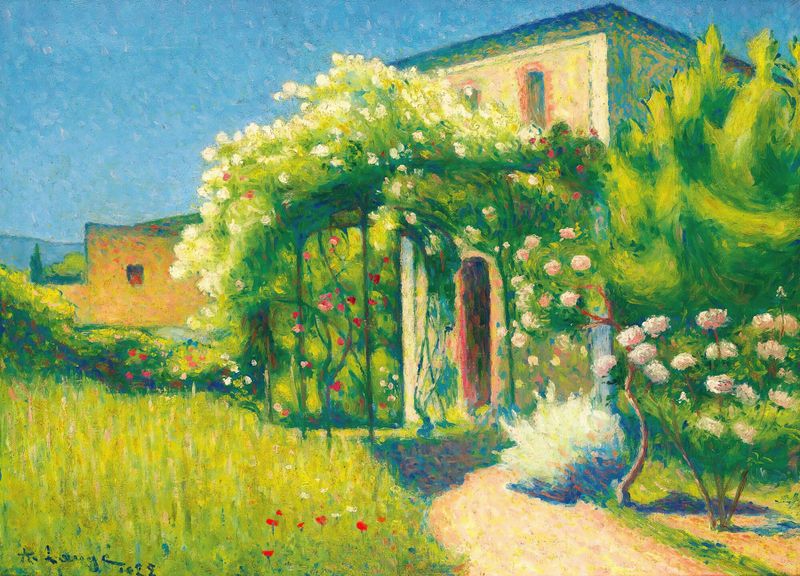
L’Atelier À Alet-Les-Bains
Achille Laugé
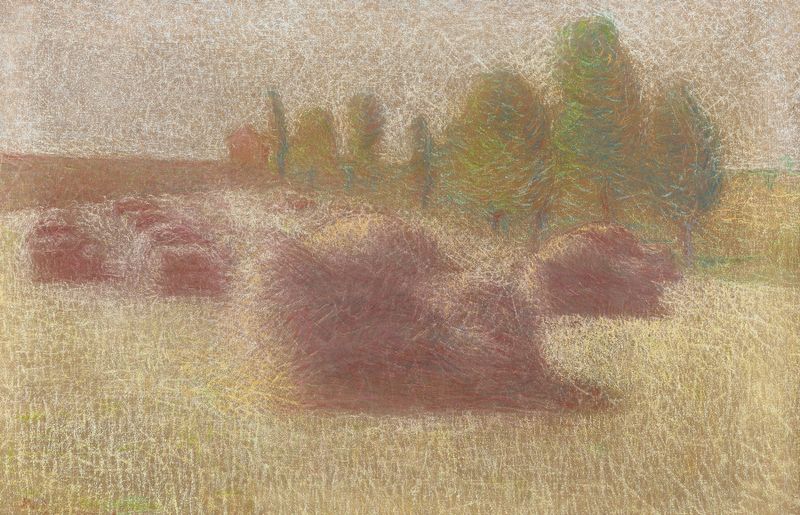
Les Gerbes
Achille Laugé
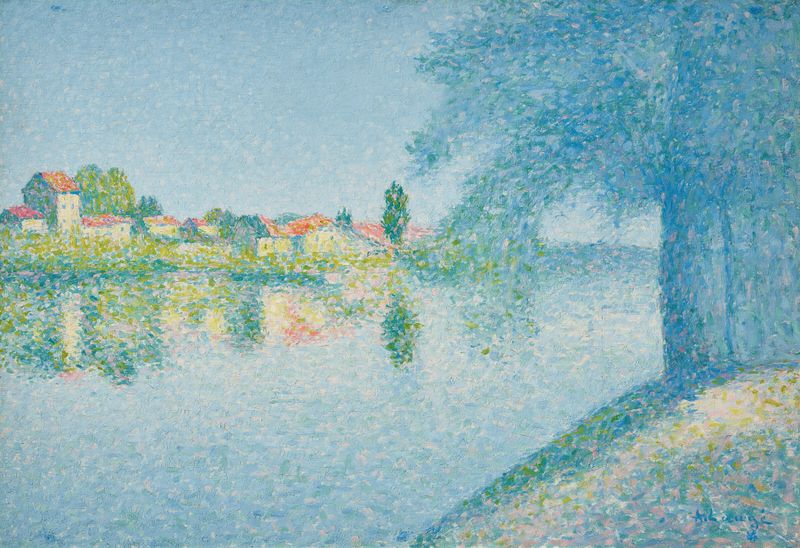
Vue des quais de la Garonne
Achille Laugé

La route de Belvèze vers le relais
Achille Laugé
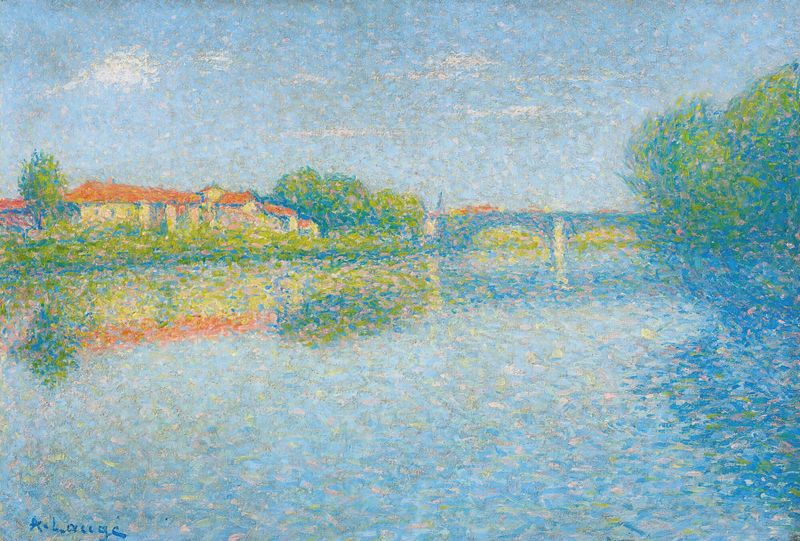
La Garonne À Toulouse
Achille Laugé





