
Statue of the Madonna in the Mountains — History & Facts
Where does light end, and longing begin? In the delicate masterpiece before us, a profound balance is struck between the earthly and the divine, inviting contemplation of our own desires and aspirations. Focus on the serene figure of the Madonna, poised gracefully against a backdrop of rugged mountains. The gentle luminosity envelops her, casting a warm glow that contrasts sharply with the cool, imposing stone formations behind. Notice how the soft drapery of her robes seems to flutter in an invisible breeze, drawing the viewer’s eye upward, as if her presence beckons one to seek solace among the peaks.
The palette, awash with muted earth tones and ethereal whites, emphasizes the connection between the spiritual and the natural. Beneath the tranquil surface lies a tension between the solitude of the Madonna and the formidable mountains that loom around her. This interplay of light and shadow reflects the struggles of faith against the weight of existence. The artist’s choice to place the holy figure within such a vast landscape evokes a sense of longing—a yearning not just for the divine, but for harmony in a world that often feels overwhelming.
Each detail, from the delicate folds of the fabric to the stark contrast of the rock, reveals an invitation to find balance amid chaos. In 1804, while residing in Germany, Caspar David Friedrich painted this work during a period when Romanticism was on the rise, emphasizing emotion and nature. Friedrich was deeply influenced by the beauty of the landscapes surrounding him, as well as by a burgeoning interest in spirituality. His artistic vision sought to bridge the gap between humanity and the sublime, a quest reflected poignantly in this captivating piece.
More Artworks by Caspar David Friedrich
Browse all →
Wanderer above the Sea of Fog
Caspar David Friedrich
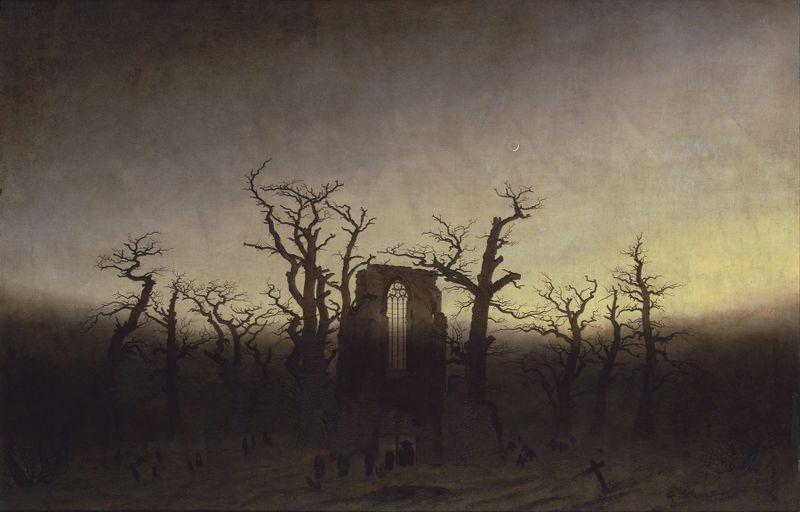
The Abbey in the Oakwood
Caspar David Friedrich
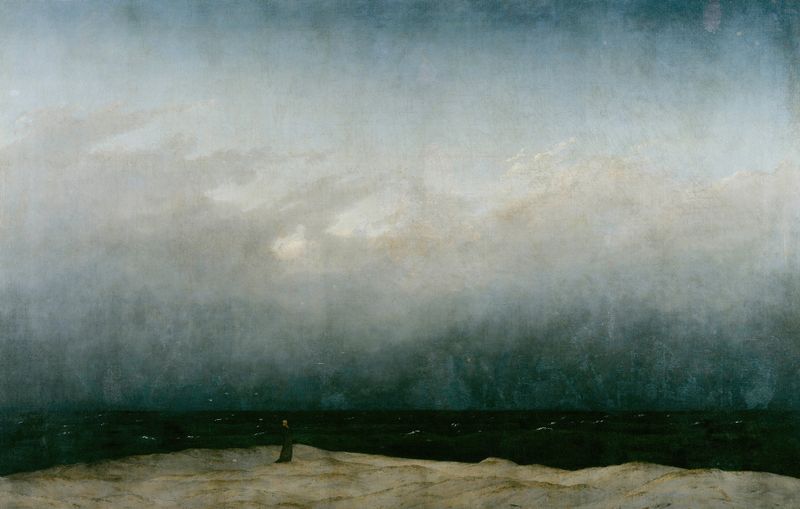
The Monk by the Sea
Caspar David Friedrich
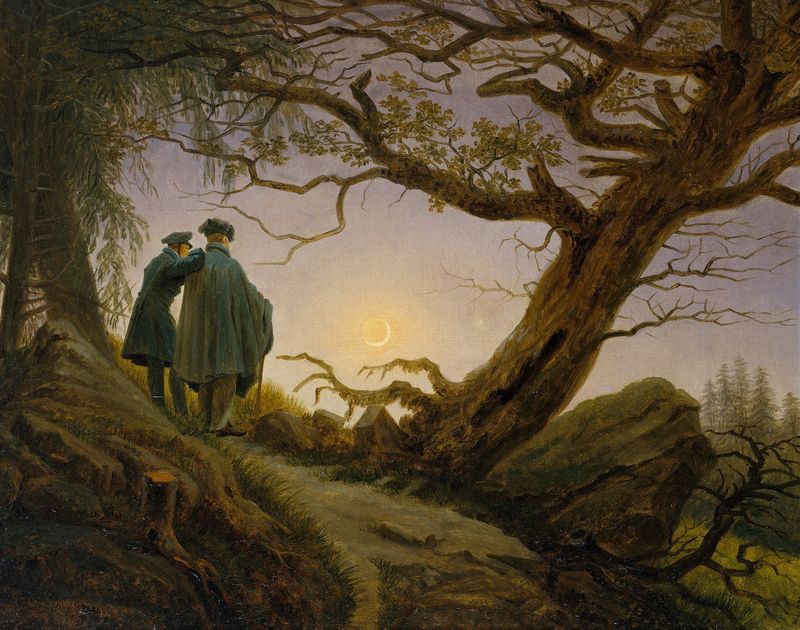
Two Men Contemplating the Moon
Caspar David Friedrich
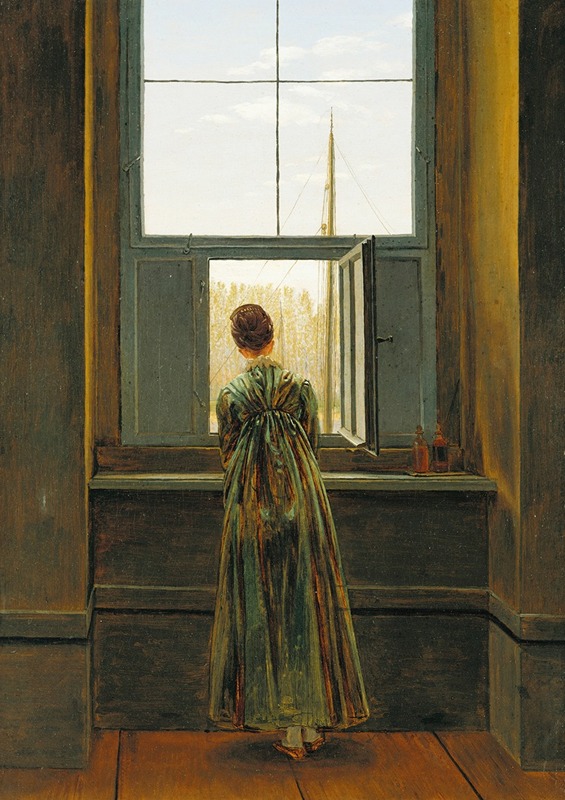
Woman at a Window
Caspar David Friedrich
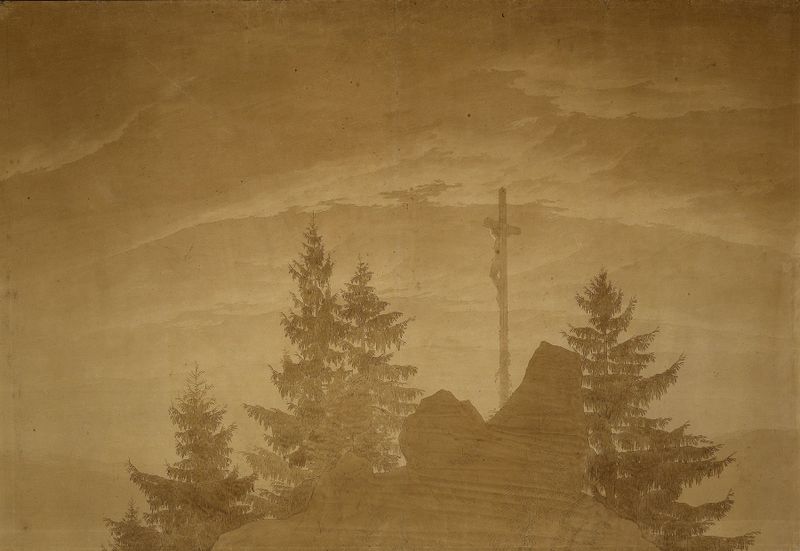
Cross in the Mountains
Caspar David Friedrich
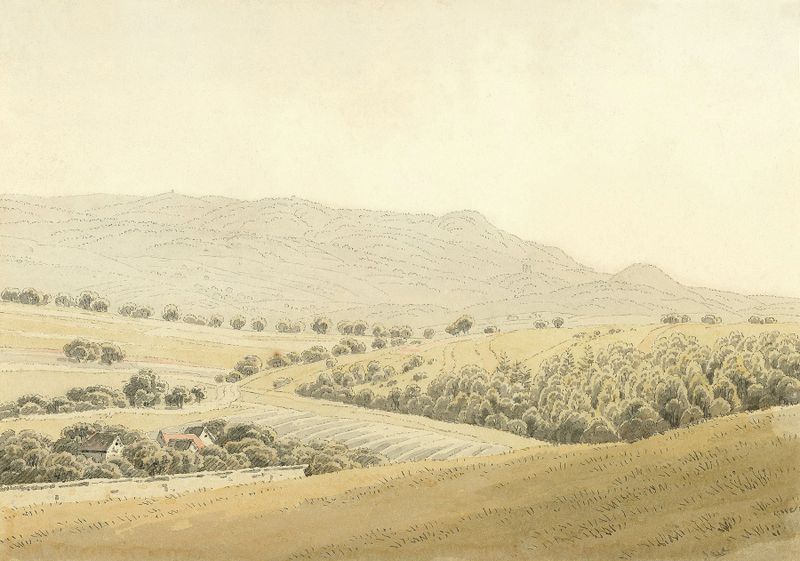
Mittelgebirgslandschaft
Caspar David Friedrich
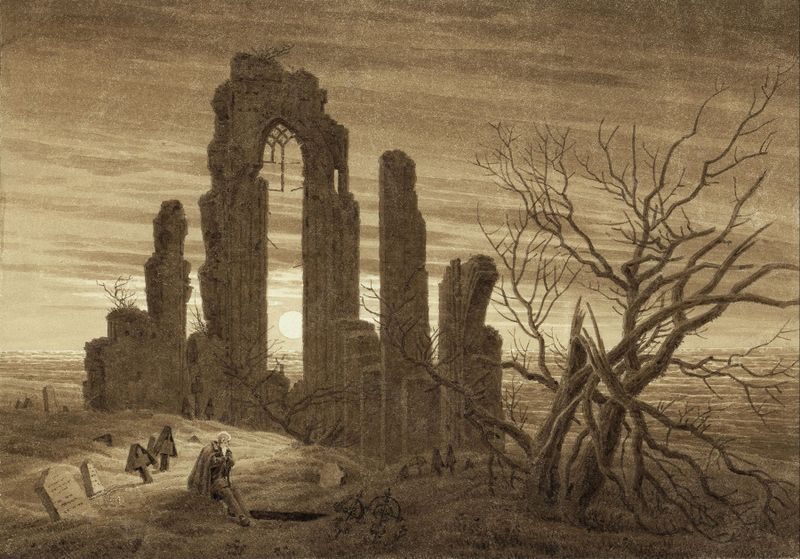
Winter – Night – Old Age and Death (from the times of day and ages of man cycle of 1803)
Caspar David Friedrich
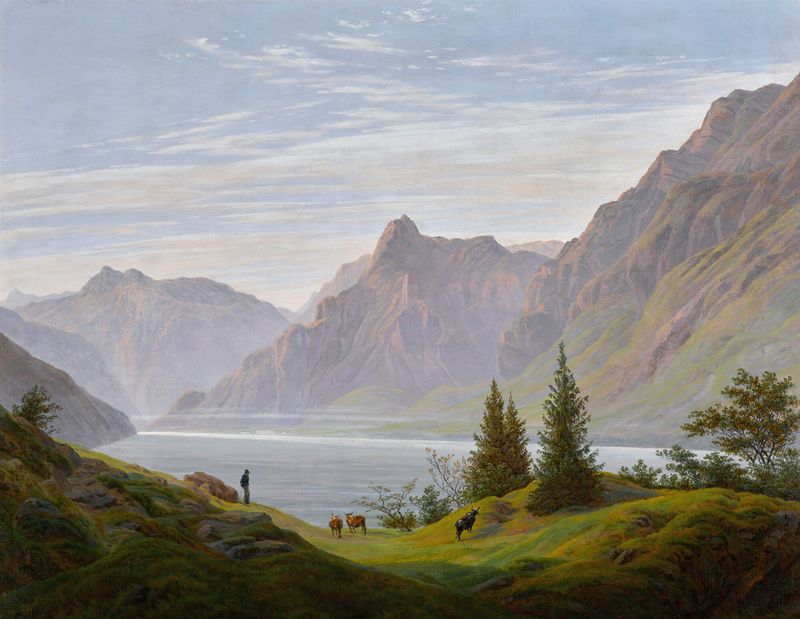
Landschaft mit gebirgsee, morgen
Caspar David Friedrich
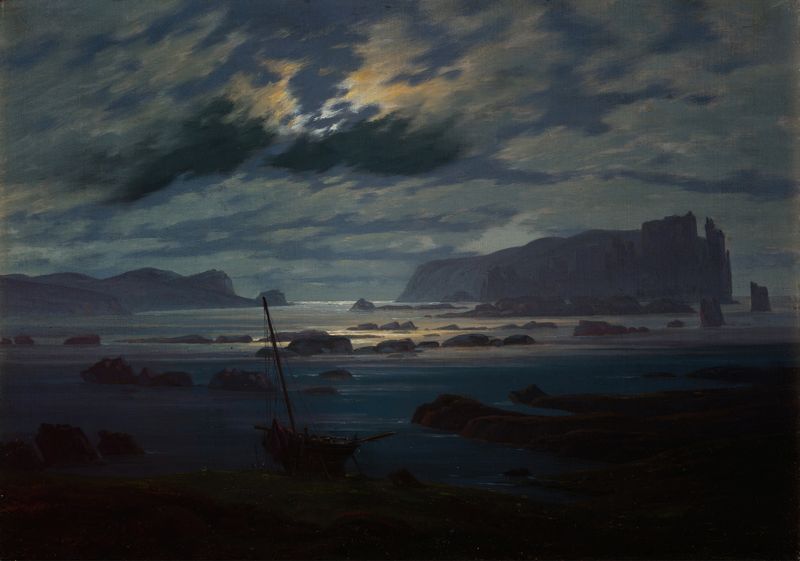
Northern Sea in the Moonlight
Caspar David Friedrich
More Religious Art
Browse all →
The Return of the Prodigal Son
Rembrandt van Rijn

The Garden of Earthly Delights
El Bosco

Count Orgaz’ funeral
El Greco

The Hundred Guilder Print: the central piece with Christ preaching, the plate arched
Rembrandt van Rijn

The Descent from the Cross
Rogier van der Weyden

The return of the prodigal son
Rembrandt van Rijn