
Statues at Memnon, Thebes — History & Facts
Shadows linger in the heart of ancient ruins, weaving stories of both grandeur and loss. In the stillness of Statues at Memnon, Thebes, the viewer is invited to ponder what remains, even as the echoes of history fade. Begin by looking at the colossal figures that command the foreground. Their stone faces, weathered yet dignified, rise against an expansive sky, which bleeds hues of orange and blue as the sun begins its descent.
Notice the contrasting shadows that stretch across the ground, revealing the passage of time and evoking a sense of nostalgia. The meticulous brushwork captures not only the hardness of stone but the softness of the surrounding landscape, inviting contemplation on the duality of permanence and decay. Amidst the grandeur, there is an undercurrent of sorrow. The crumbling bases of the statues suggest a fragility that belies their monumental presence, hinting at stories of worship lost to the winds of change.
Look closely at the intricate carvings; they whisper tales of a civilization that sought immortality through art, yet now stands as a testament to its own transience. This tension between the eternal and the ephemeral resonates deeply, inviting reflections on what we cherish—and what we inevitably lose. The exact date of creation for this piece remains elusive, yet it emerges from a period in which the artist sought to bring to life the majesty of ancient civilizations. Kellogg, an American painter known for his depictions of historical subjects, likely found inspiration during a time when the allure of Egypt captivated the Western imagination.
As he explored themes of antiquity and the human experience, he shaped a narrative that intertwines beauty with deeper truths, echoing the complexities of both art and existence.
More Artworks by Miner Kilbourne Kellogg
Browse all →
General Andrew Jackson
Miner Kilbourne Kellogg
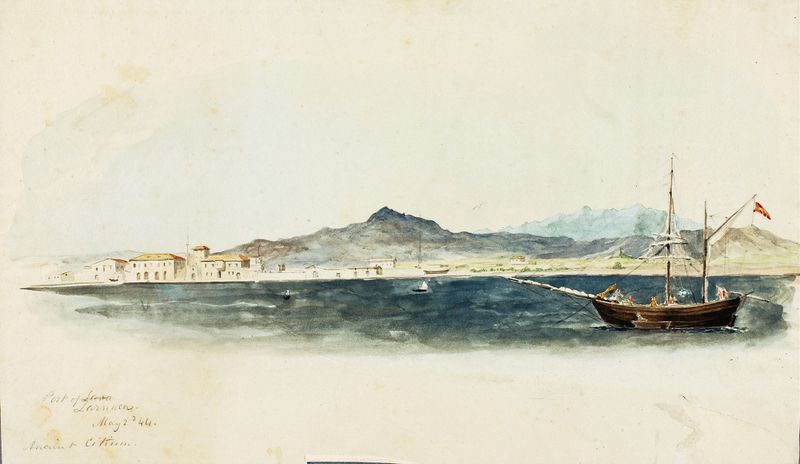
Port of Larnaca
Miner Kilbourne Kellogg
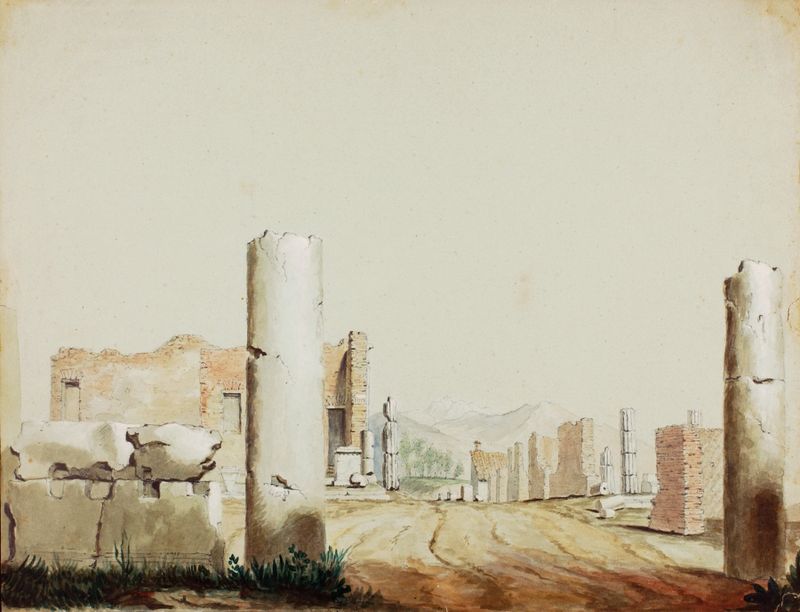
Pompeii, Italy
Miner Kilbourne Kellogg
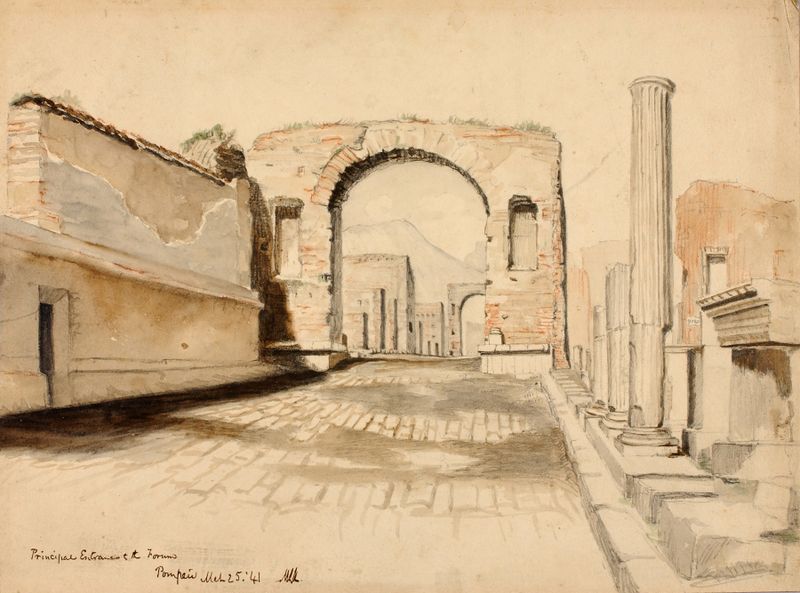
Principal Entrance To The Forum, Pompeii
Miner Kilbourne Kellogg

Tomb of Virgil, Naples
Miner Kilbourne Kellogg

Ancient And Modern Egypt
Miner Kilbourne Kellogg

Adalia, Asia Minor
Miner Kilbourne Kellogg

Fire Island Lighthouse
Miner Kilbourne Kellogg

Saltwood Castle
Miner Kilbourne Kellogg

Glacier And Falls
Miner Kilbourne Kellogg





