Stift Heiligenkreuz — History & Facts
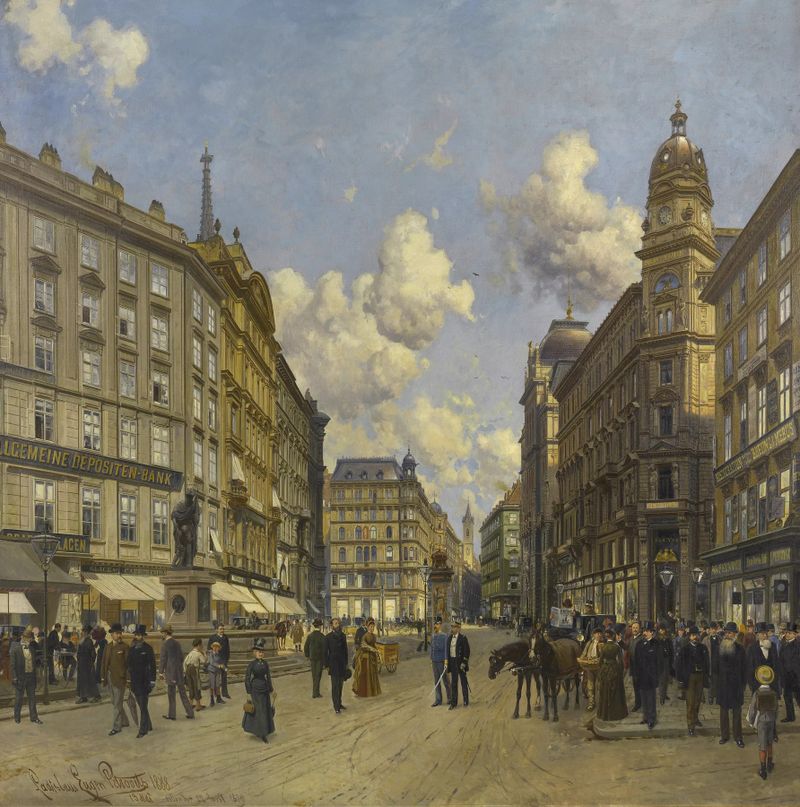
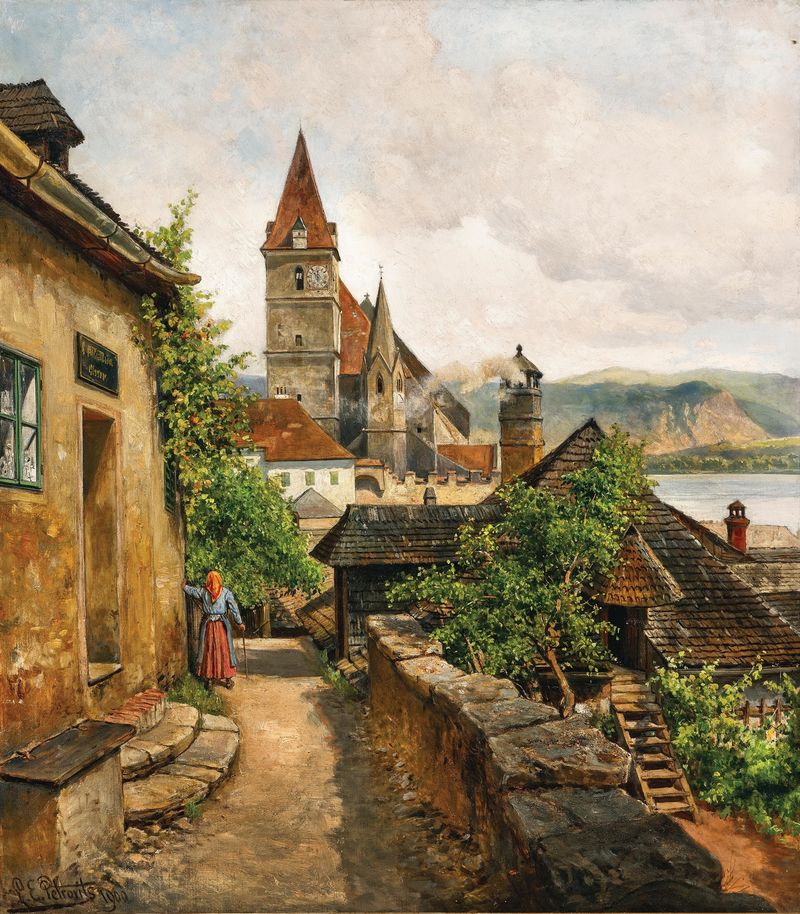
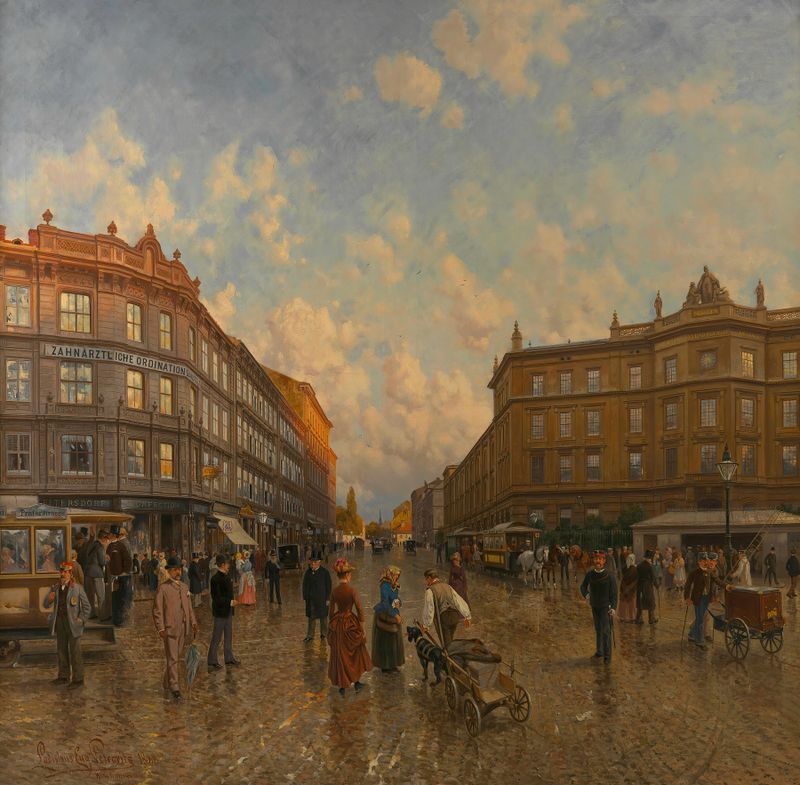
When did color learn to lie? Each hue whispers secrets, inviting the eye to question the authenticity of what lies before it. In the world of Stift Heiligenkreuz, the vibrancy of the landscape stirs a sense of awakening, challenging perceptions of reality through the interplay of light and form. Focus first on the harmony of the greens and golds that envelop the scene, drawing you into a lush world that feels almost otherworldly. Notice how the brushwork dances along the contours of the trees, each stroke capturing the essence of movement, as if the foliage sways gently in a breeze.
The sharp contrast between the sunlit areas and the dappled shadows underscores a profound dialogue between light and dark, enhancing the depth and texture of the setting. Beneath the surface, layers of meaning unfold. The radiant colors signify not only nature's beauty but also evoke the fleeting nature of time, suggesting that moments of tranquility are always in flux. The juxtaposition of bright splashes against muted tones hints at hidden struggles — perhaps an inner conflict between serenity and chaos, a struggle mirrored in the artist's own life.
While the scene appears idyllic, it beckons the viewer to ponder the truths that lie beneath its surface. Ladislaus Eugen Petrovits created this piece during a period of exploration in the early 20th century, immersing himself in the landscapes of Austria. Working from his studio in Vienna, he was influenced by the burgeoning movements of Impressionism and Post-Impressionism, which sought to capture the transient effects of light and atmosphere. At this time, the art world was awakening to new ideas, and Petrovits's work embodies this spirit of experimentation and transformation.