Discover insights about this artwork
Still Life with Herrings — History & Facts
In Still Life with Herrings, Jean Siméon Chardin presents a simple yet striking arrangement of fish. The herrings, glistening with a silvery sheen, are placed on a rustic wooden table. Surrounding them are various objects, including a glass and a piece of cloth, which add depth to the composition.
The muted color palette emphasizes the natural beauty of the fish and the textures of the materials. Chardin's technique is evident in the careful rendering of light and shadow, which gives the herrings a lifelike quality. The brushwork is smooth, allowing for a realistic depiction of the fish's scales and the reflective surfaces of the glass. The composition is balanced, drawing the viewer's eye across the canvas.
This painting exemplifies the Rococo style, focusing on everyday subjects with elegance and simplicity. Jean Siméon Chardin was known for his still life paintings, which often depicted humble subjects with great care. This particular work, created in the 1730s, reflects his ability to elevate ordinary items to the level of fine art. Interestingly, Chardin's still lifes were often seen as a counterpoint to the more extravagant themes of his contemporaries.
His focus on realism and detail has made this piece a notable example of Rococo art.
More Artworks by Jean Siméon Chardin

The White Tablecloth
Jean Siméon Chardin
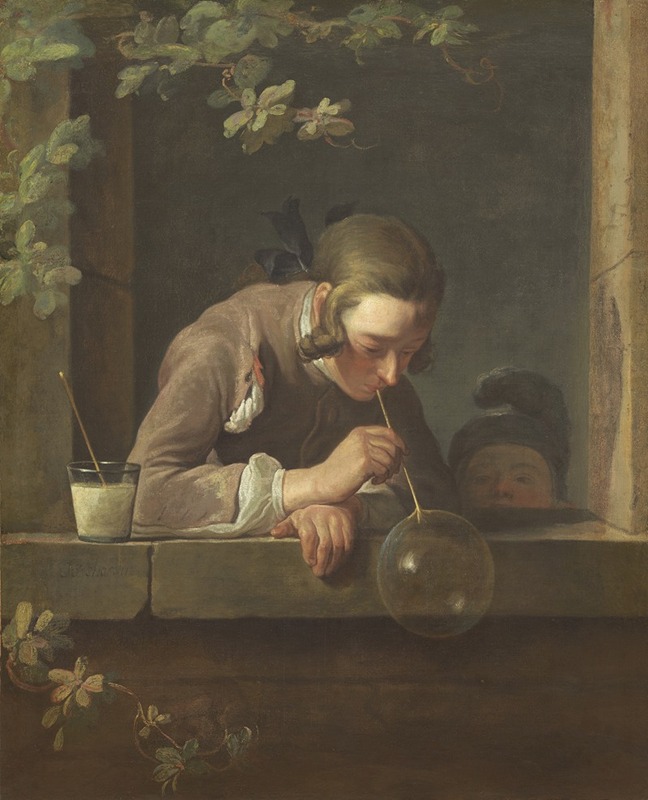
Soap Bubbles
Jean Siméon Chardin
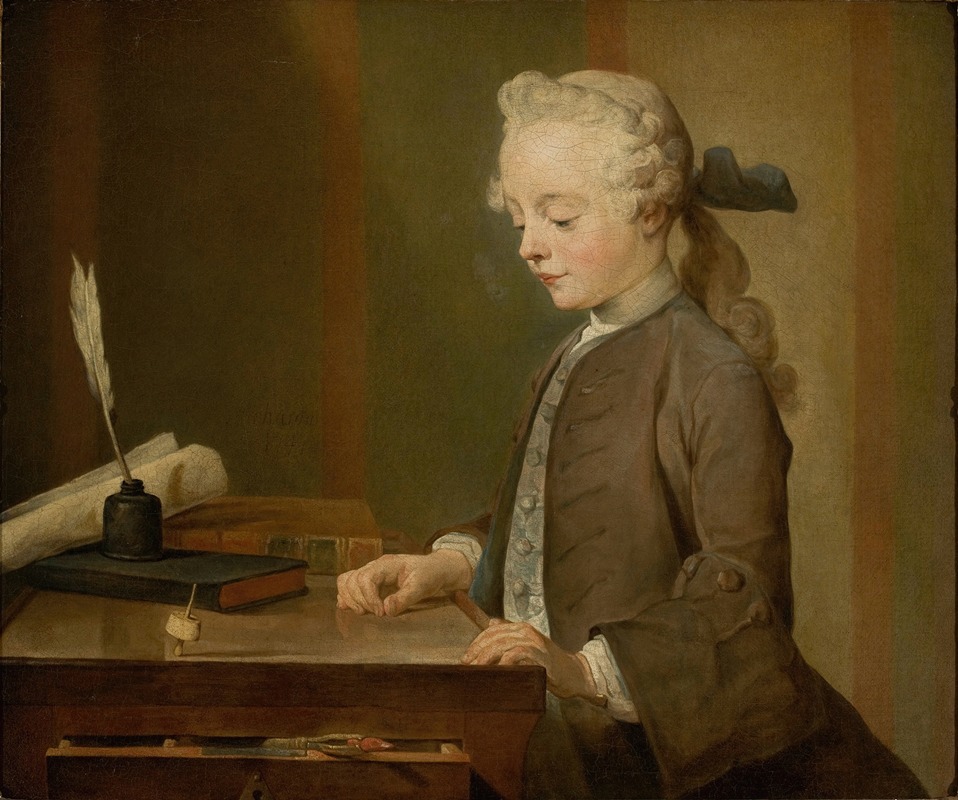
Portrait of Auguste Gabriel Godefroy
Jean Siméon Chardin

Portrait of Madame Chardin
Jean Siméon Chardin
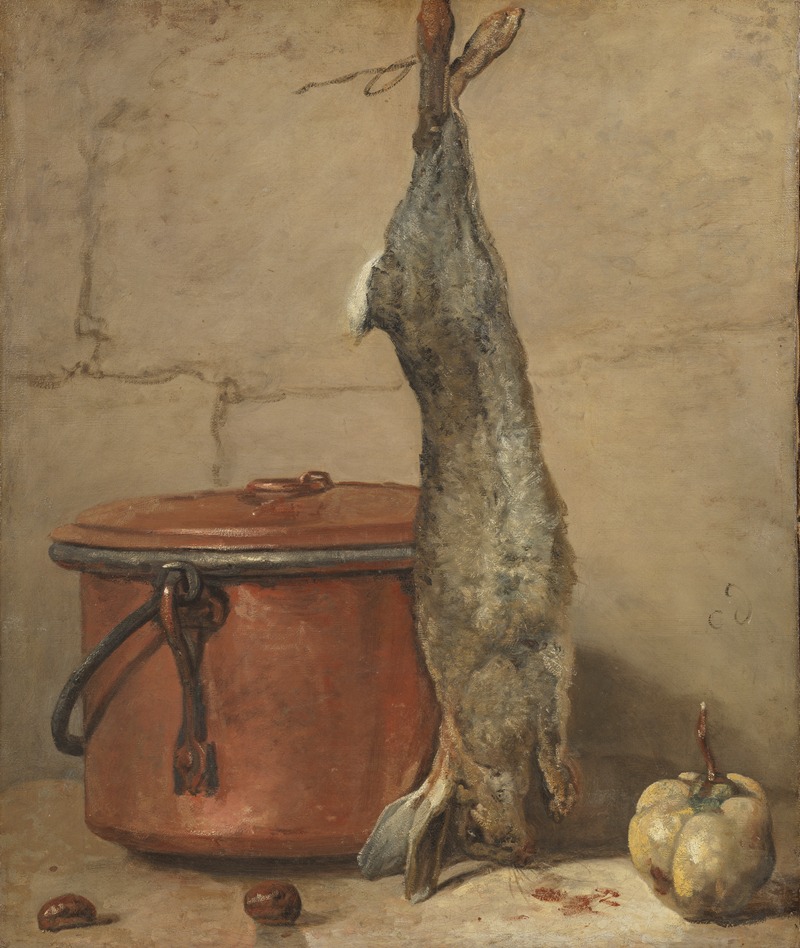
Rabbit and Copper Pot
Jean Siméon Chardin
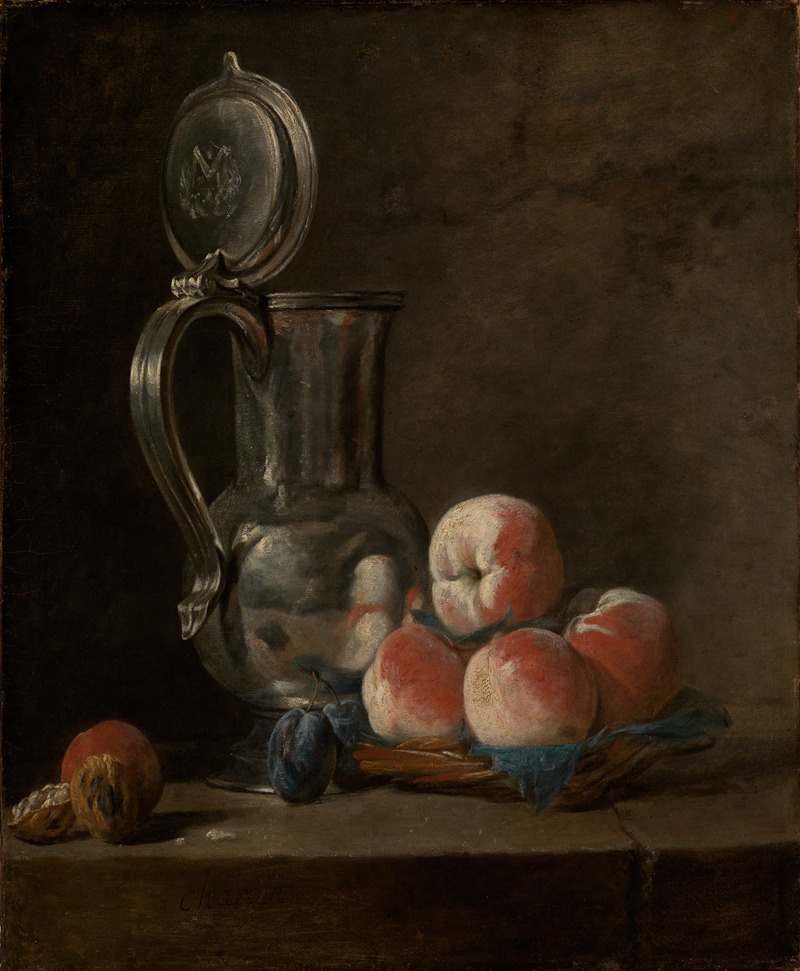
Still life with pewter jug and peaches
Jean Siméon Chardin
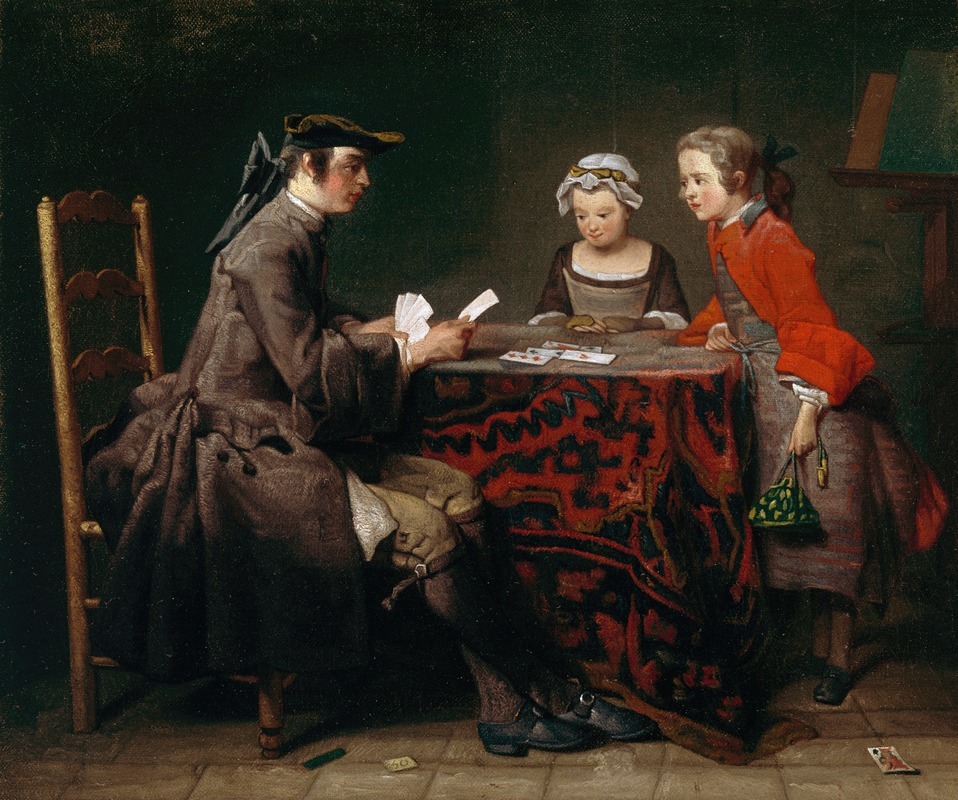
Les Tours de Cartes
Jean Siméon Chardin
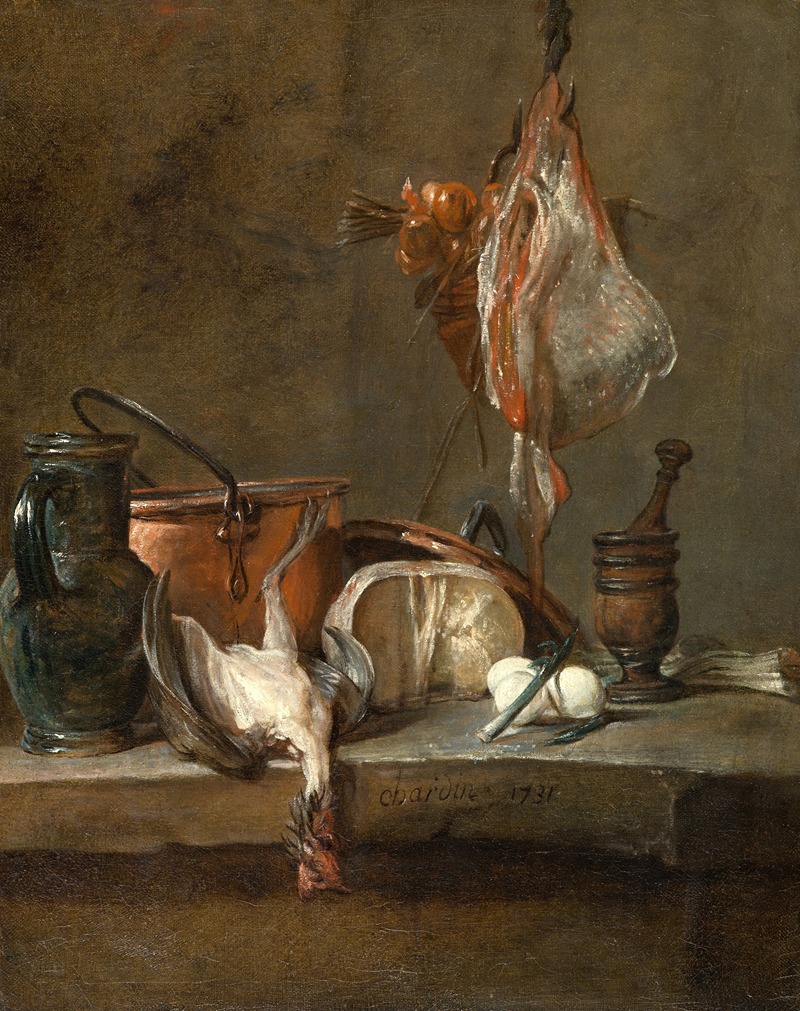
Still Life with Ray and Basket of Onions
Jean Siméon Chardin
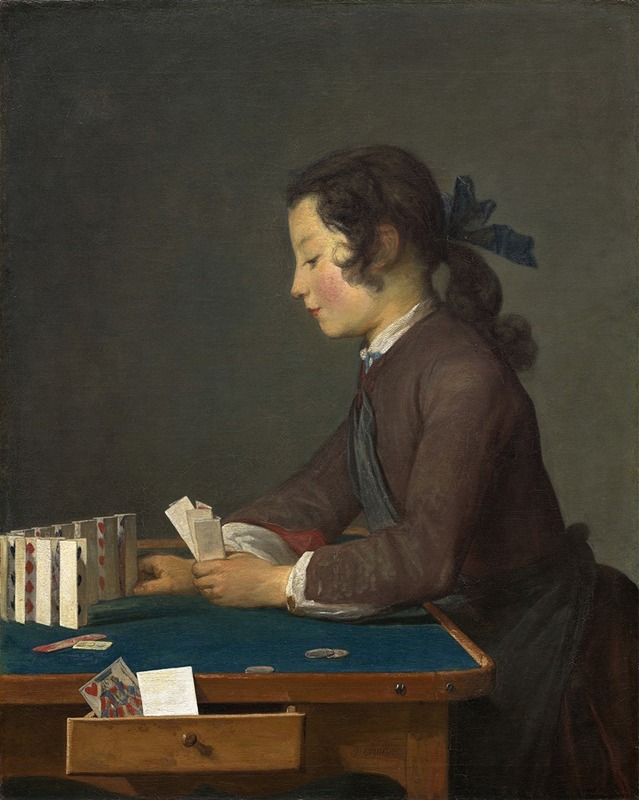
The House of Cards
Jean Siméon Chardin
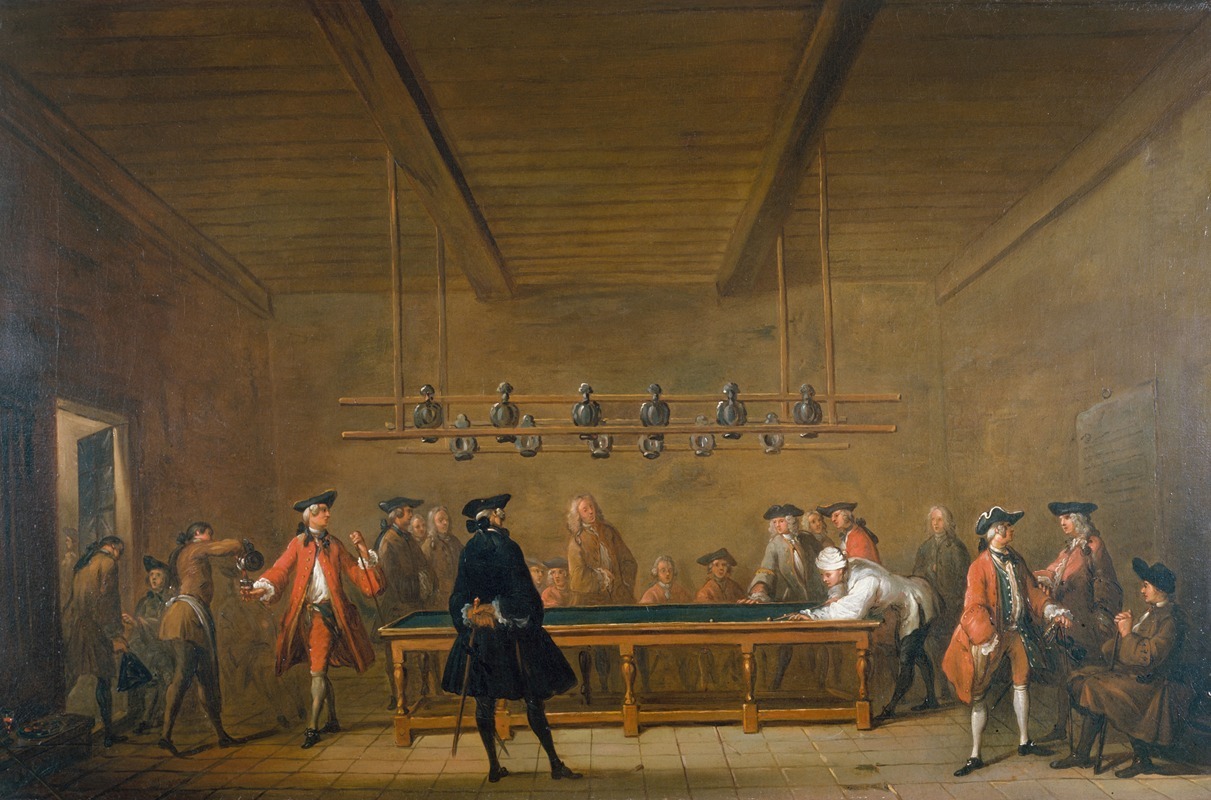
La Partie de billard
Jean Siméon Chardin