Stone Pine — History & Facts
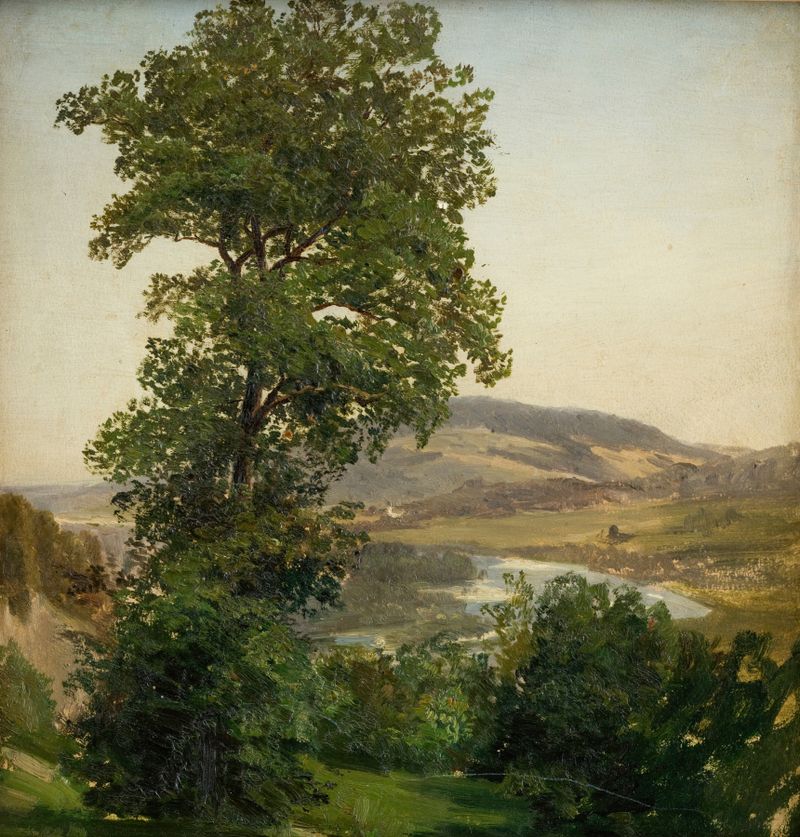
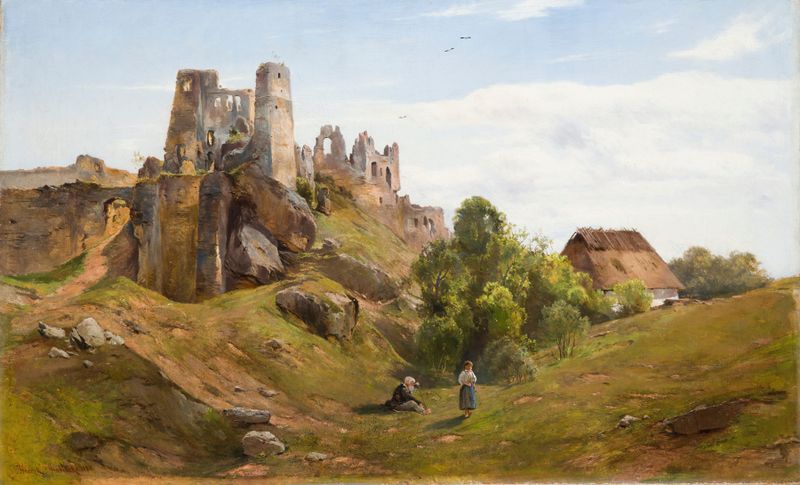
What if beauty was never meant to be finished? In the delicate interplay of form and nature, Stone Pine captures the essence of fragility that speaks to the heart of our existence. Look to the center of the canvas where a solitary stone pine stands resilient against an expansive, softly dappled sky. Notice how the tree’s gnarled trunk twists and arches, its textured bark echoing the weight of time. Surrounding it, a subtle palette of greens and browns creates a serene harmony, while light filters through the branches, casting gentle shadows on the ground.
Each brushstroke breathes life into this natural monument, revealing both strength and vulnerability. Delve deeper, and you'll find an emotional cadence within this stillness. The tree symbolizes endurance amid the inevitable cycles of decay and rebirth, a poignant reminder of life's transience. Each leaf, fluttering in the imagined breeze, conveys a whisper of what once was, while the subtle contrasts of light and dark suggest the tension between permanence and ephemerality.
The artwork invites contemplation, as viewers grapple with the inherent beauty found in imperfection and the passage of time. Created in 1870, Stone Pine reflects a period of introspection for Henryk Grabiński, who painted this piece in Poland. At a time when Romanticism was fading and the Naturalist movement began taking shape, he sought to capture not only the external beauty of nature but also its deeper emotional resonances. This work encapsulates his desire to explore themes of fragility and endurance, marking a significant moment in his artistic evolution.