
Stony Forest — History & Facts
In the stillness of Stony Forest, one can't help but feel the weight of nostalgia pressing against the soul, inviting contemplation on nature’s secrets and the passage of time. Look to the left at the towering trees that stretch skyward, their gnarled branches weaving an intricate tapestry against the pale blue sky. The dappled sunlight filters through the leaves, casting shadows that dance like whispers on the forest floor. Notice the subtle gradations of earthy greens and grays, each brushstroke breathing life into the landscape while hinting at both vitality and decay.
The composition is both expansive and intimate, drawing the eye deeper into the scene, urging a personal connection with the wilderness. Beneath the serene exterior lies a poignant contrast between life and stillness. The rocky outcrops stand as solemn reminders of time's relentless march, evoking a sense of endurance that mirrors the human experience. Each stone carries history, while the delicate foliage represents fleeting moments of beauty.
Here, Larson encapsulates a dialogue between nature’s resilience and the quiet yearning for days gone by, suggesting that within every silence, there resides a story waiting to be unearthed. Created in 1853, this work emerged during a transformative period for Larson, who was immersing himself in the burgeoning Swedish landscape painting movement. Influenced by the Romantic ideals of nature and reflection, he sought to convey emotions through the interplay of light and form. This painting not only reflects Larson's artistic evolution but also captures the essence of a world grappling with industrial changes, inviting observers to pause and reflect amidst the encroaching modernity.
More Artworks by Marcus Larson
Browse all →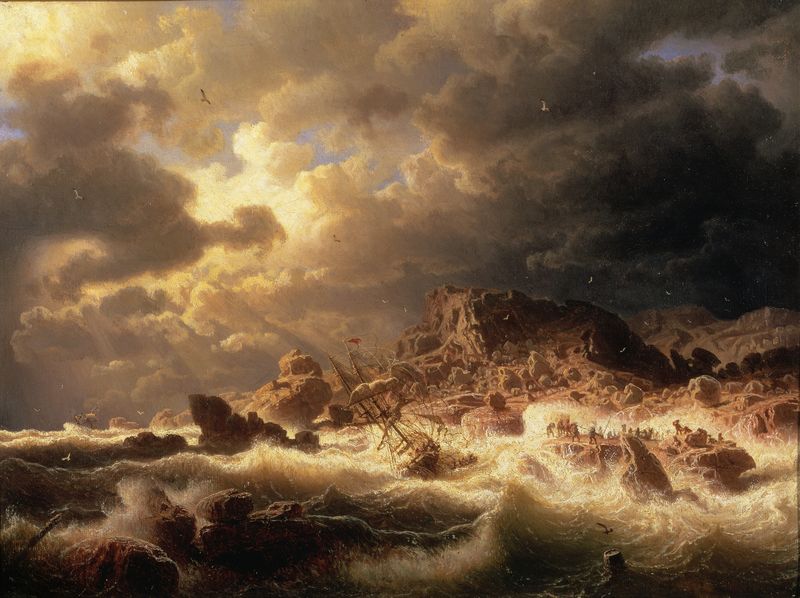
Gale on the Bohuslän Coast
Marcus Larson

Waterfall in Småland
Marcus Larson
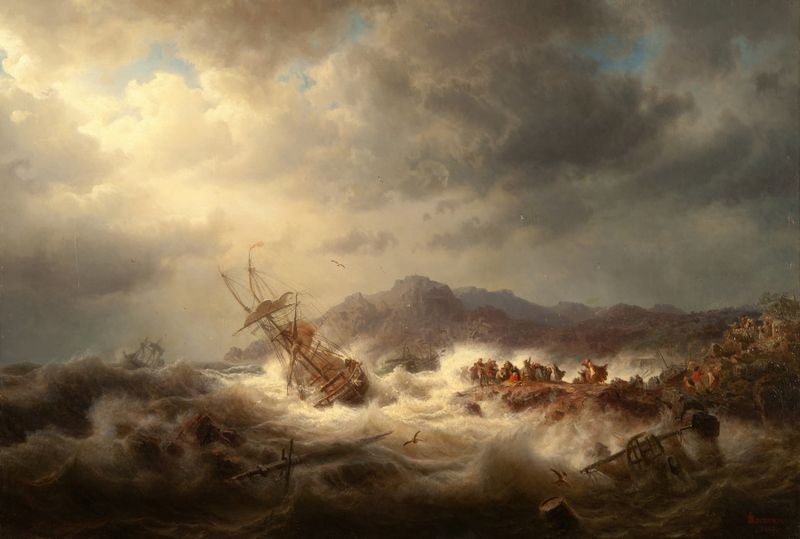
Shipwreck
Marcus Larson
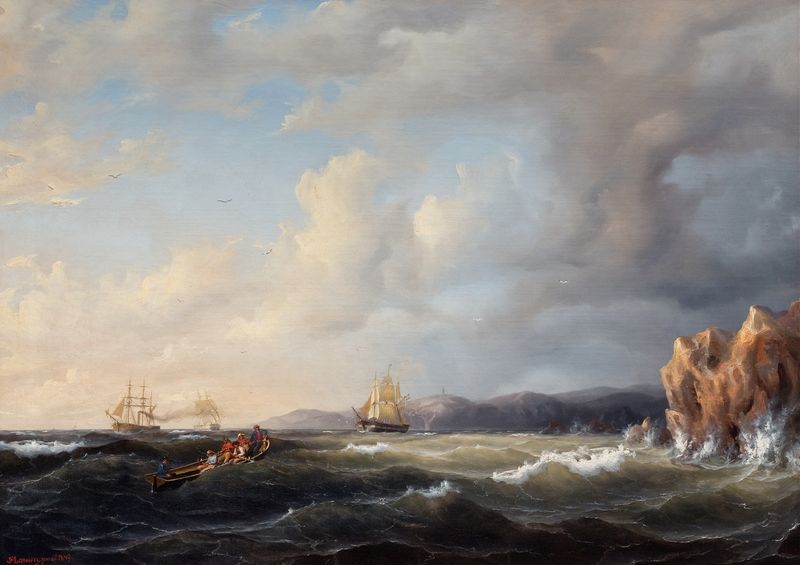
Bark Beating to Windward at Kullaberg
Marcus Larson
Gale on the Bohuslän Coast
Marcus Larson
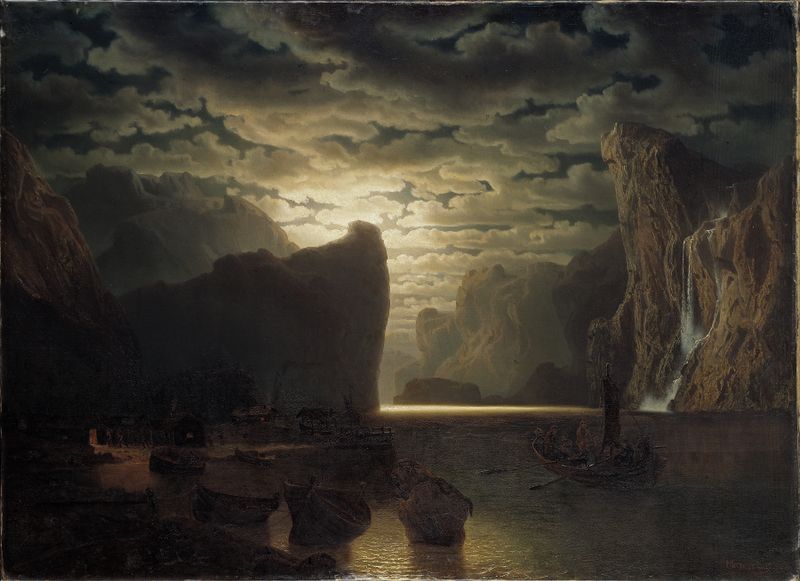
Norwegian Fjord in Moonlight. Motif from the Sogne-Fjord
Marcus Larson

Norwegian Fjord in Moonlight
Marcus Larson

Rocky Landscape with Waterfall
Marcus Larson
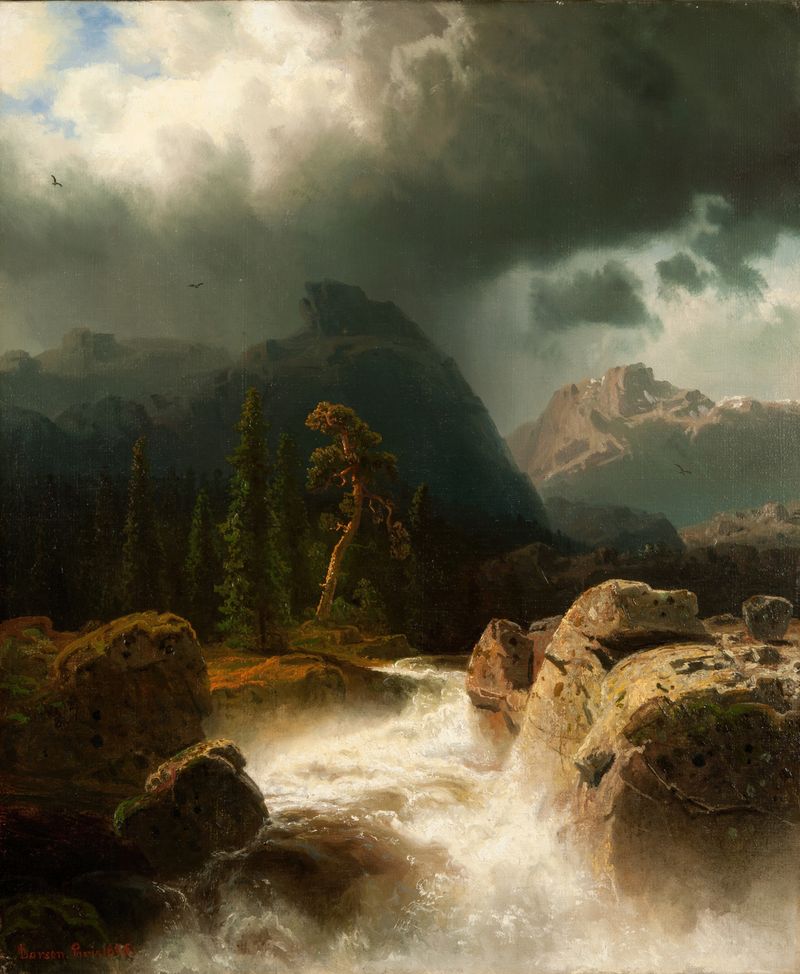
Waterfall
Marcus Larson

Burning Steamer
Marcus Larson





