
Stormy Landscape — History & Facts
Could beauty survive in a century of chaos? In the tumult of swirling clouds and jagged landscapes, Stormy Landscape captures the very essence of nature's fury and resilience. Focus first on the turbulent sky, where deep grays and blues intertwine in a dramatic dance, hinting at an impending tempest. Notice how the chiaroscuro technique emphasizes the contrast between the dark, brooding clouds and the soft, fading light that clings to the horizon. This interplay creates a sense of movement, as if the scene itself is alive, teetering on the brink of transformation.
The foreground, marked by rugged terrain, draws the eye downward, grounding the viewer in the chaos above. The painting’s emotional tension lies in the juxtaposition of the violent sky and the tranquil, albeit foreboding, landscape. Tiny hints of greenery push through the earth, suggesting that life persists even in the face of turmoil. The reflections of the stormy sky in the murky waters at the painting's edge evoke a sense of introspection, inviting viewers to ponder their own experiences of struggle and survival.
This delicate balance between destruction and hope resonates deeply, prompting contemplation on the human condition amidst nature's unchecked power. Created during a time of artistic transition in Europe in the 19th century, Raffalt painted this work with a keen awareness of the Romantic movement's embrace of emotion and nature. As the world grappled with industrialization and change, he found inspiration in the raw beauty of the landscapes around him, infusing his art with a sense of both wonder and foreboding. In Stormy Landscape, he distills the essence of a world caught between chaos and serenity, inviting viewers to reflect on their place within it.
More Artworks by Ignaz Raffalt
Browse all →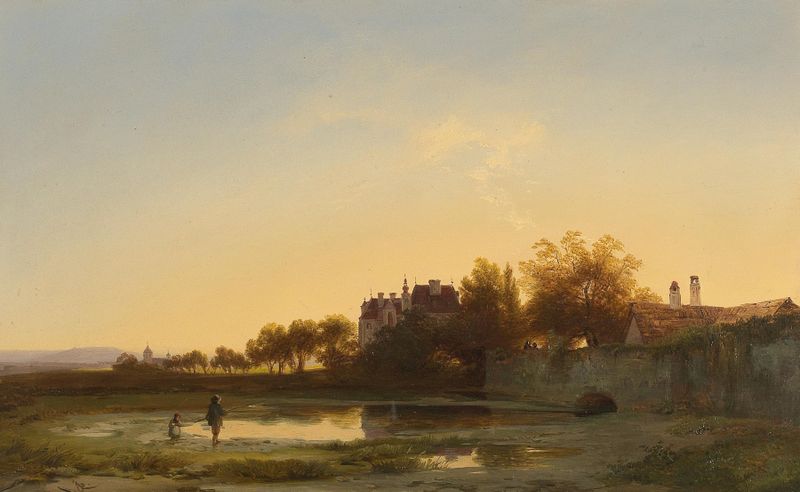
Angler in the evening light by the castle pond
Ignaz Raffalt
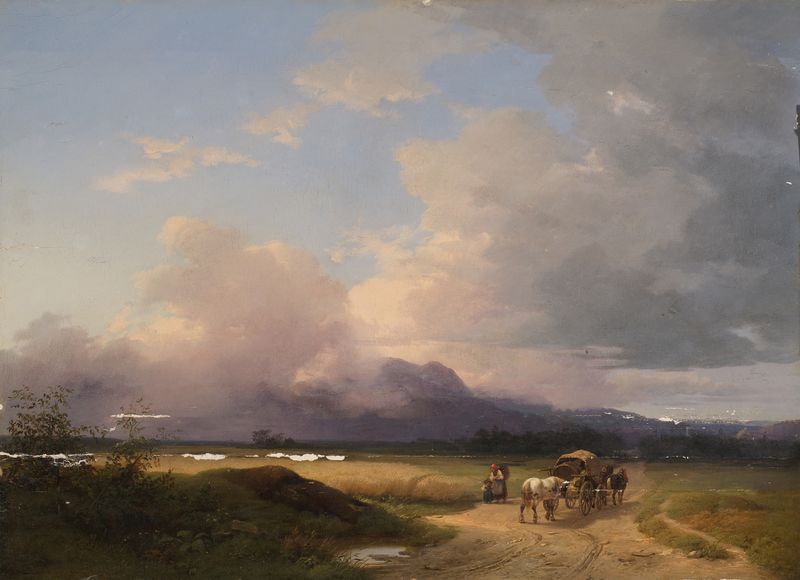
Voralpenlandschaft mit Fuhrwerk auf der Straße
Ignaz Raffalt

Hainbach near Vienna
Ignaz Raffalt

Resting in front of the Inn
Ignaz Raffalt
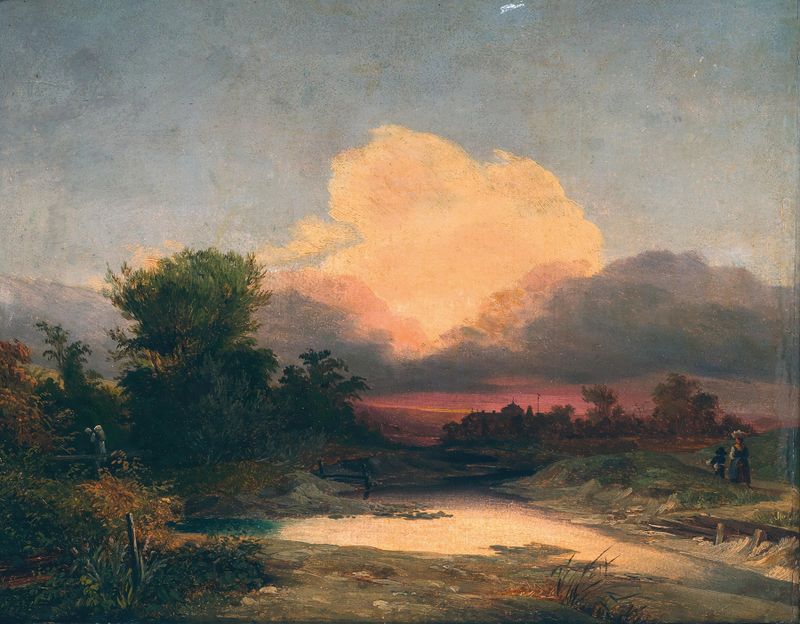
A Landscape at Sunset
Ignaz Raffalt
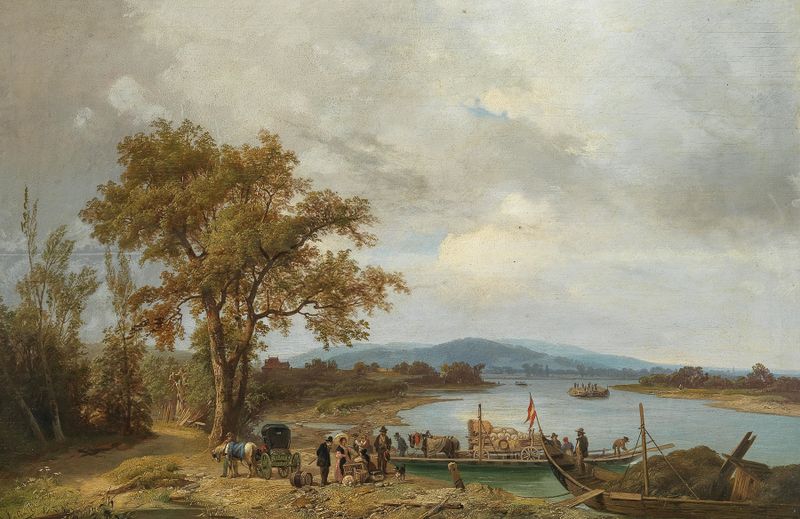
A Danube Landscape with Ferries
Ignaz Raffalt
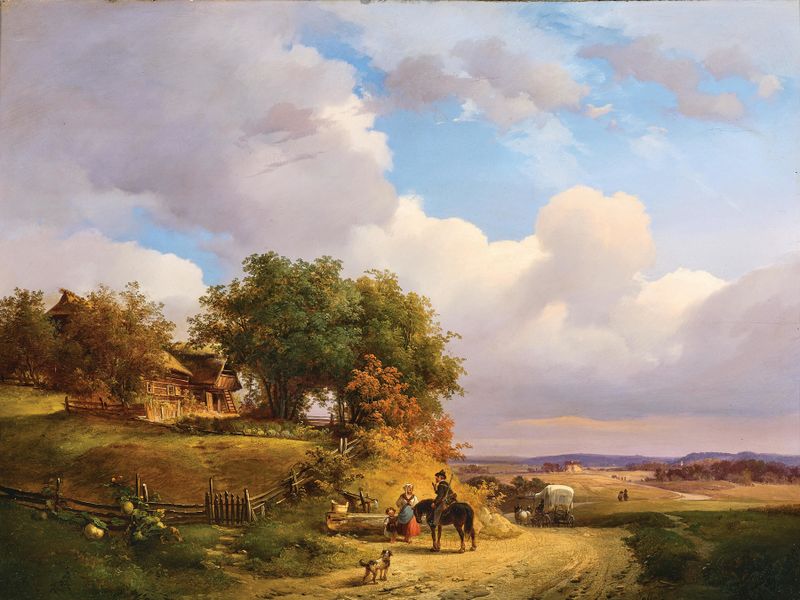
A Hunter Resting on a Country Road
Ignaz Raffalt
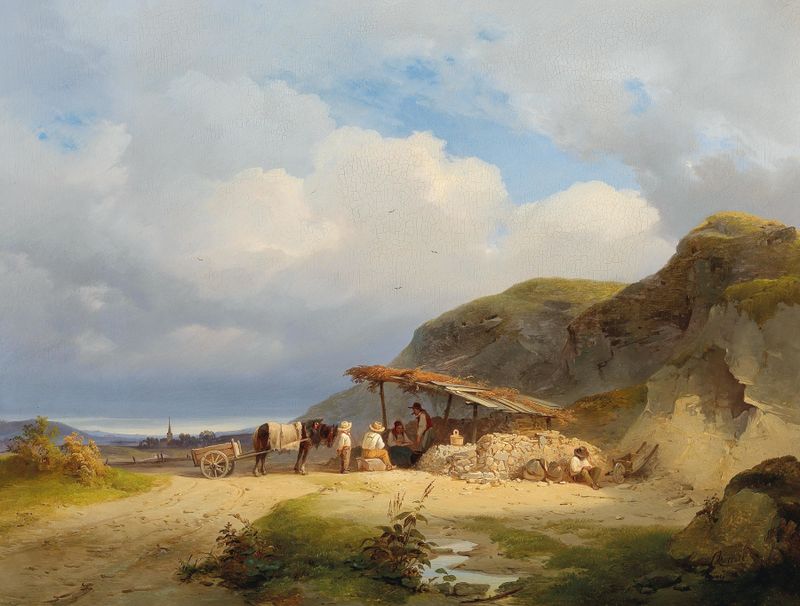
Resting at noon
Ignaz Raffalt
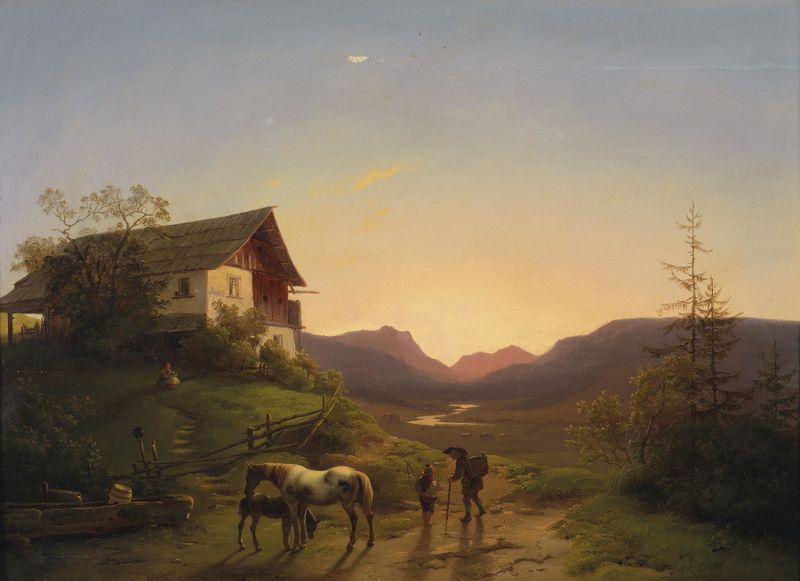
Abendstimmung
Ignaz Raffalt

Heimkehr vom Feld im Abendrot
Ignaz Raffalt





