Strasse in Tetuan — History & Facts
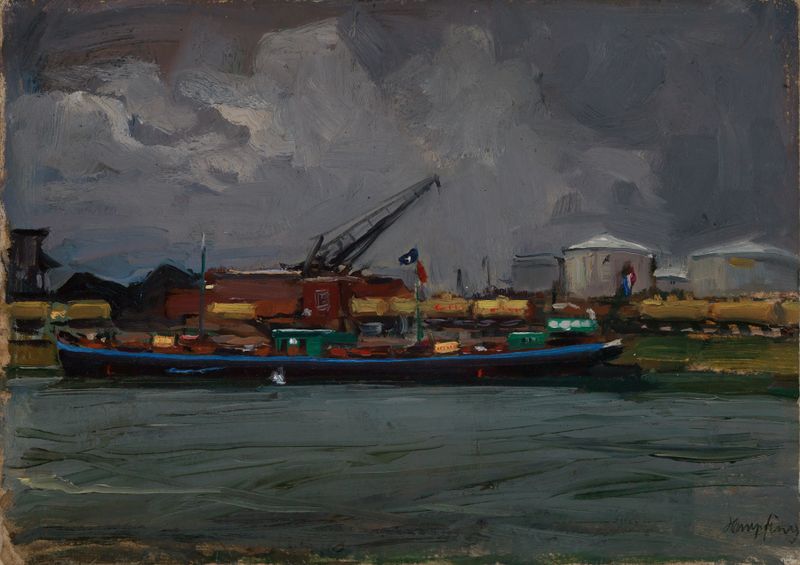
Could a single brushstroke hold eternity? In Strasse in Tetuan, the essence of rebirth pulses through a vibrant street scene, beckoning us to witness life's relentless flow. Look to the foreground where a winding path draws your gaze into a tapestry of warm ochres and cool blues. The brushwork is dynamic yet intimate, creating a rhythm that mimics the bustling life of Tetuan. The dappling light dances across the canvas, illuminating figures in motion, their garments flowing like the very air that surrounds them.
Each stroke feels deliberate and alive, grounding the viewer in the heart of this North African city. Beneath the surface, contrasts abound. While the lively colors and movement suggest a thriving culture, the slight shadows cast on the buildings remind us of fleeting moments, the dangers of complacency in a world of change. The juxtaposition of the bustling street against the solemn architecture speaks to a history layered with stories of resilience and transformation—a reminder of the cycles of life that persist amid adversity.
A simple moment captured, yet imbued with the weight of centuries. Wilhelm Hempfing created this work in 1925, during a time of significant artistic evolution in Europe. Living in Germany, he was influenced by the modernist movements that sought to reinvigorate traditional perspectives. The vibrant street of Tetuan served as an escape and inspiration, reflecting both the optimism and the tensions of the interwar period, a time when the world was in desperate need of rebirth and renewal.