
Street in Moret — History & Facts
Could beauty survive in a century of chaos? The question lingers in the still air of Sisley's Street in Moret, inviting us to explore the delicate equilibrium between tranquility and a world in flux. Look to the left at the soft embrace of light filtering through the trees, casting dappled shadows onto the cobblestone path. The gentle curves of the street guide your eyes toward the quaint houses, their pastel colors mingling harmoniously with the greens and browns of nature. Sisley’s brushwork captures the subtle interplay of light and texture, creating a serene atmosphere that feels both inviting and contemplative. Yet, among this beauty lies an underlying emptiness, a haunting silence that suggests a fleeting moment.
The figures, barely discernible, recede into the background, echoing the isolation of the individual amidst the landscape. This absence of vibrant life starkly contrasts with the vibrant hues of the painting, prompting reflections on connection and solitude, and the tension between external charm and inner desolation. In the late 19th century, Sisley painted Street in Moret during a period marked by personal hardship and an evolving art world. Living in France, he was often overshadowed by his contemporaries yet remained steadfast in his dedication to Impressionism.
This work exemplifies his commitment to capturing the beauty of everyday scenes, even as societal changes swirled around him.
More Artworks by Alfred Sisley
Browse all →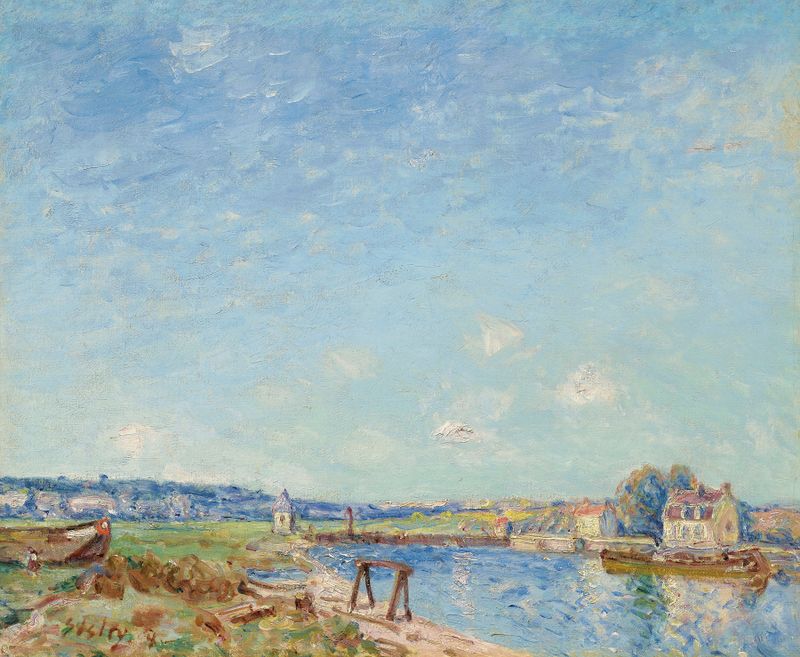
Le Loing à Saint-Mammès
Alfred Sisley
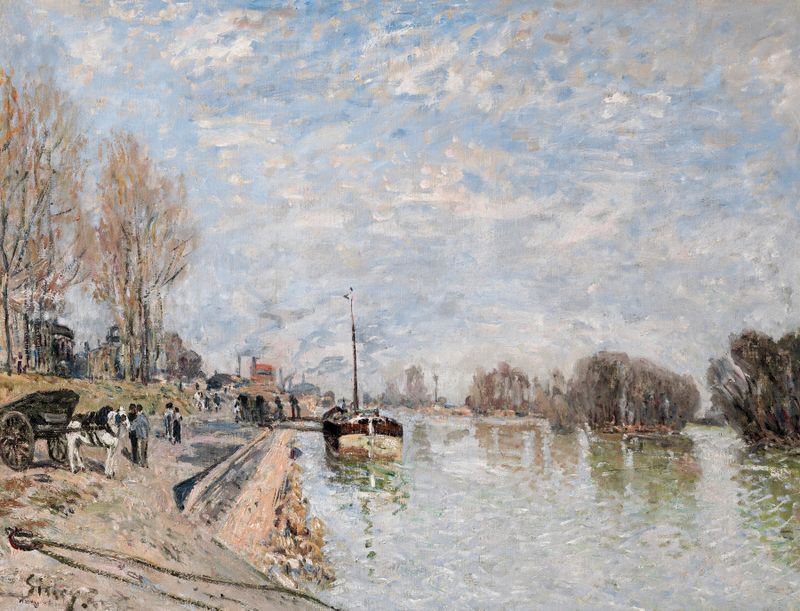
La Seine à Suresnes
Alfred Sisley
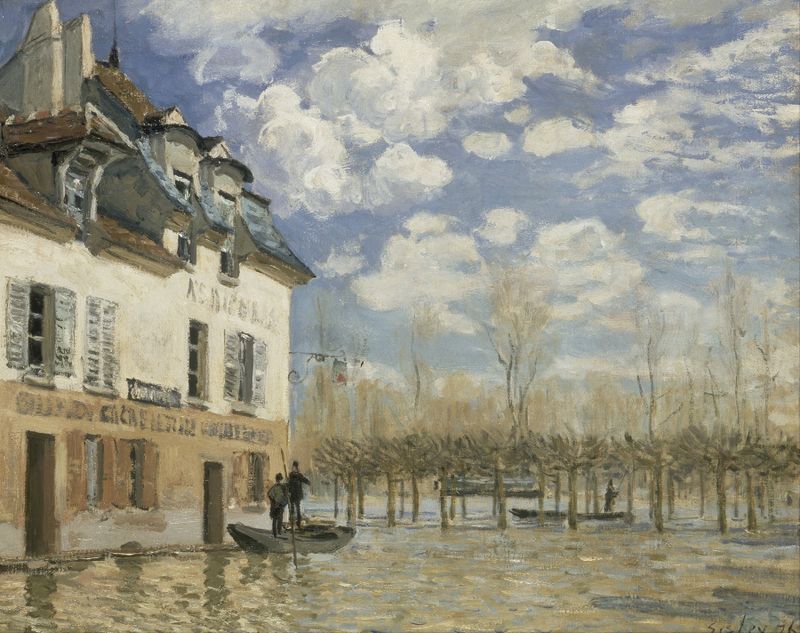
Boat in the Flood at Port Marly
Alfred Sisley
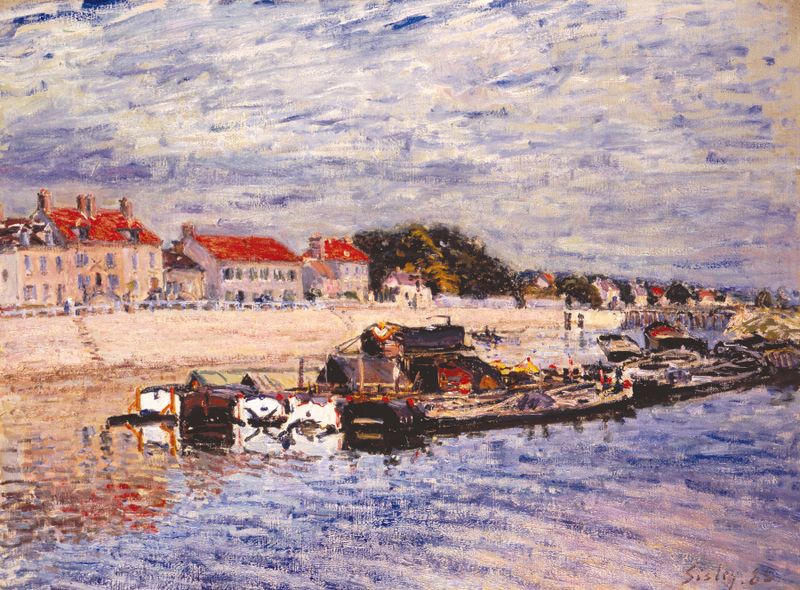
Barges on the Loing at Saint-Mammès
Alfred Sisley

L’allée des peupliers au bord du Loing
Alfred Sisley

Molesey Weir, Hampton Court
Alfred Sisley
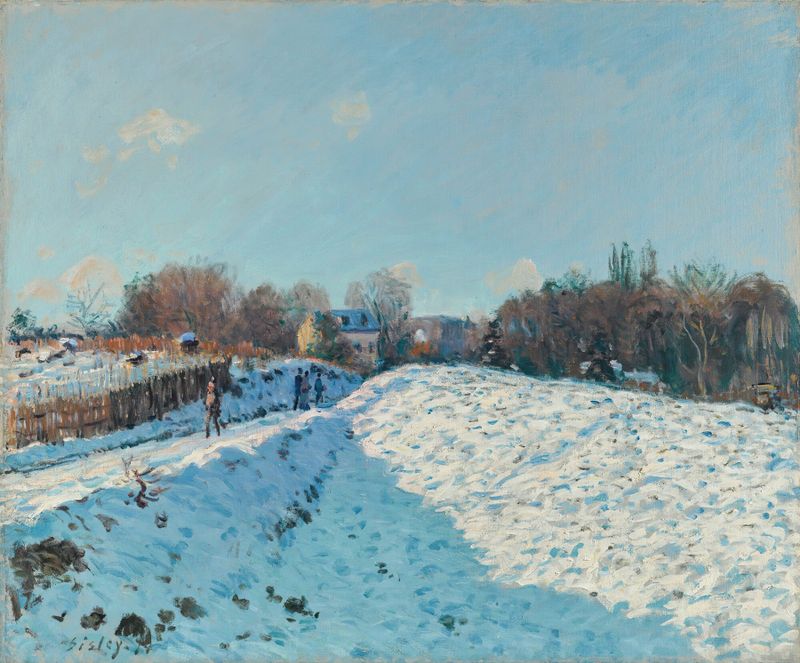
Effet De Neige À Louveciennes
Alfred Sisley
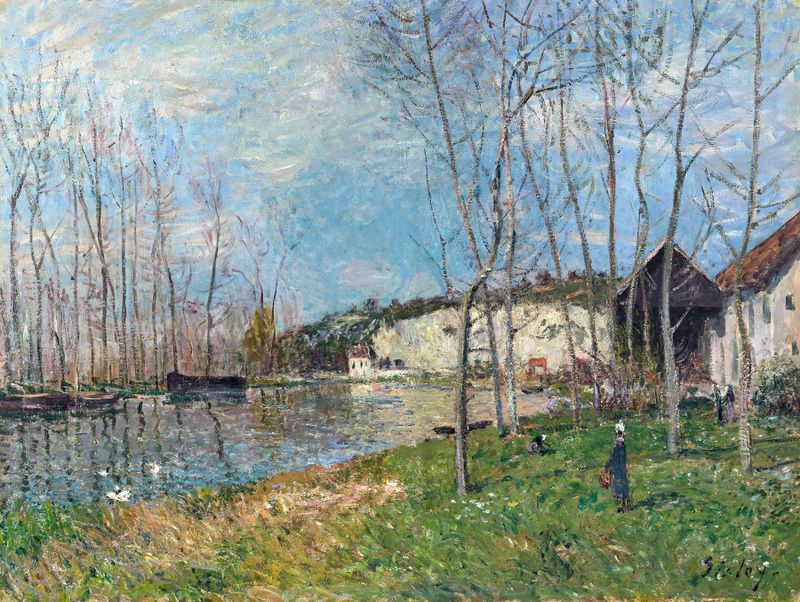
Printemps au bord du Loing
Alfred Sisley
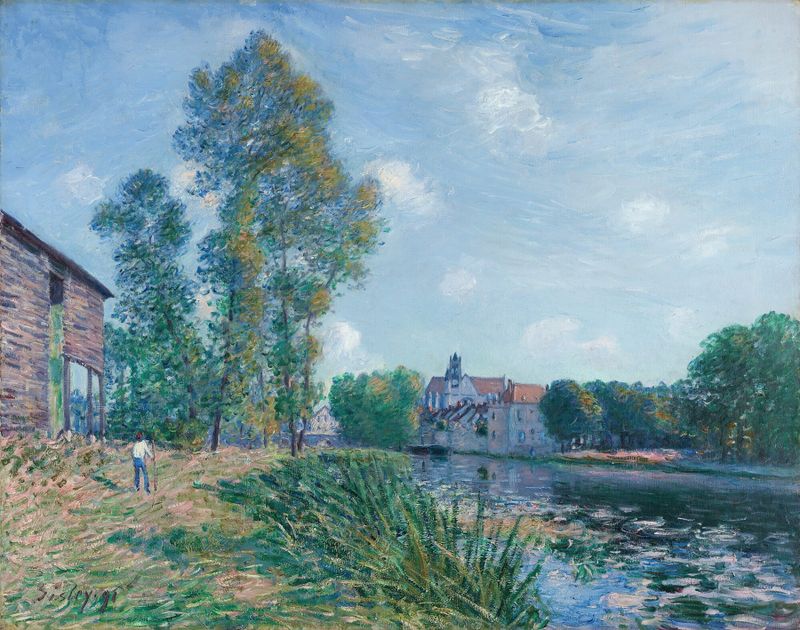
Le Loing À Moret, En Été
Alfred Sisley
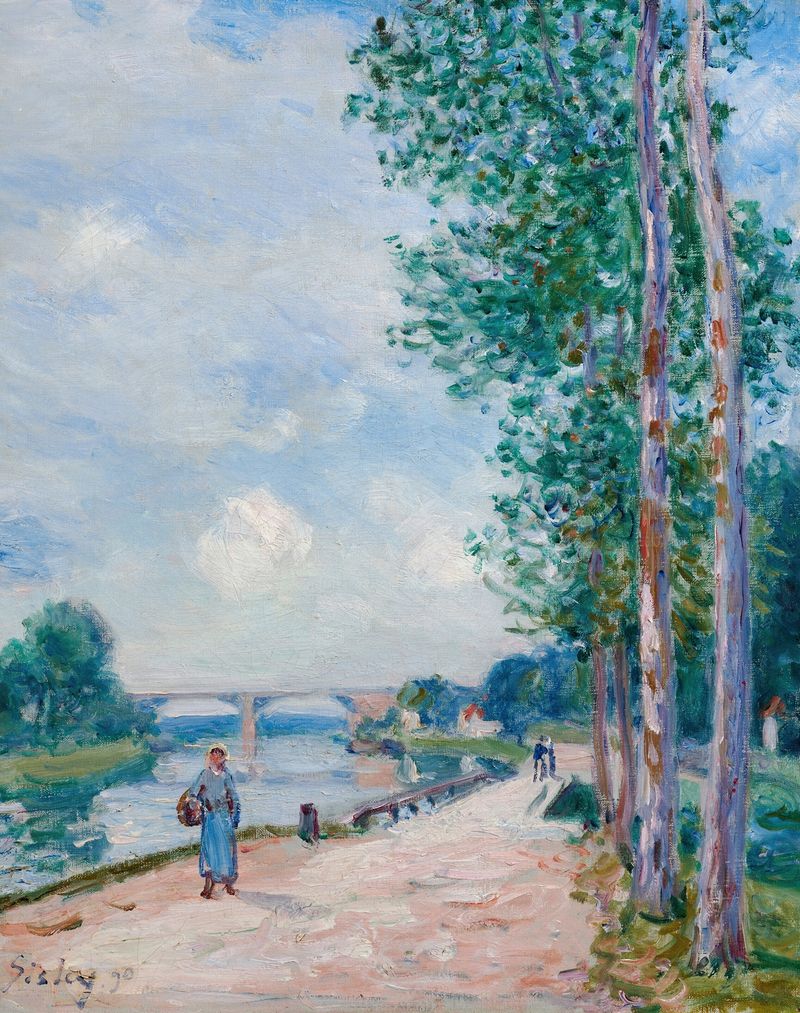
Les bords du Loing près de Moret
Alfred Sisley





