Studie für das Gemälde ‘Die Nachtwache’ — History & Facts
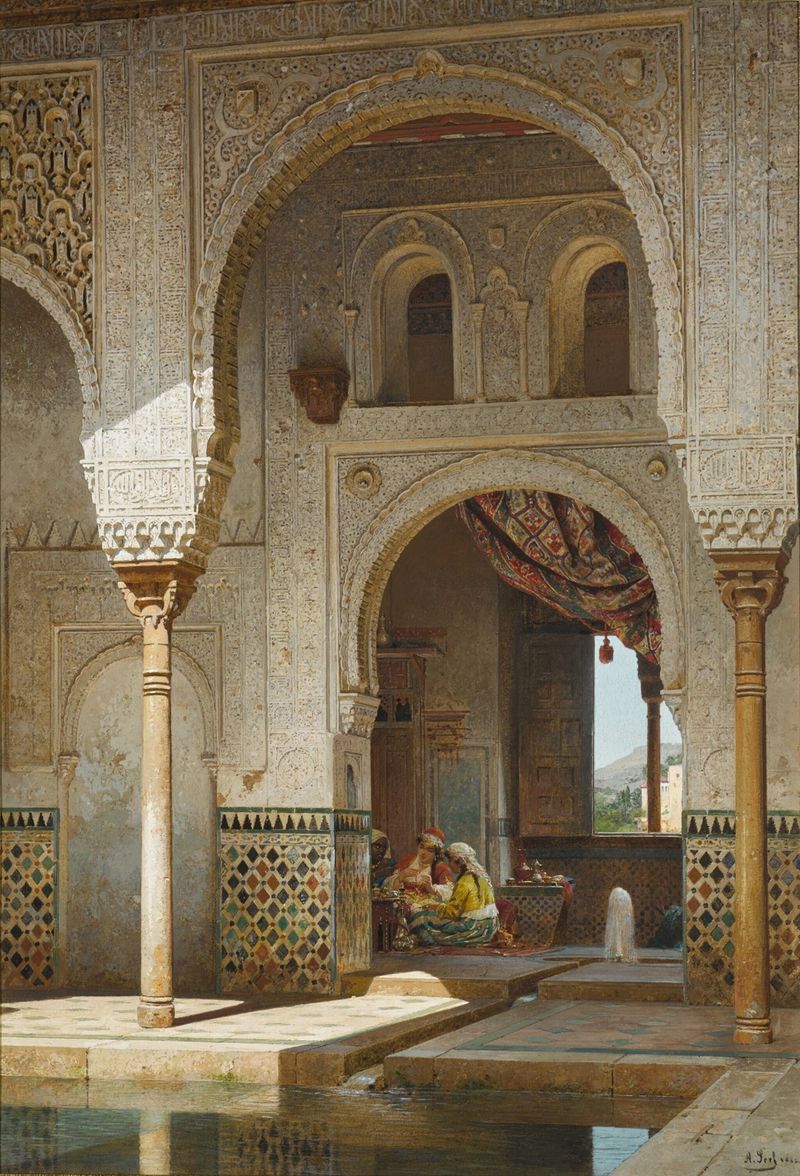
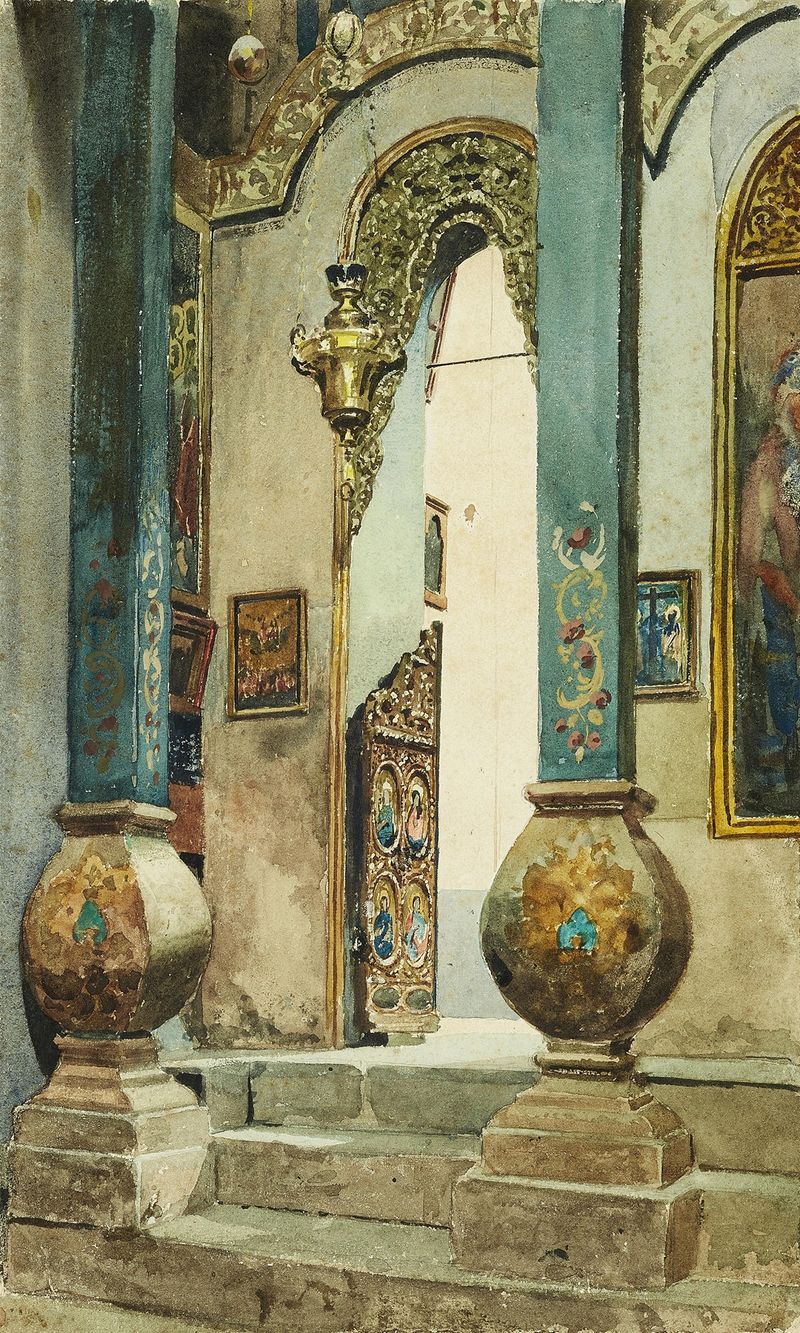
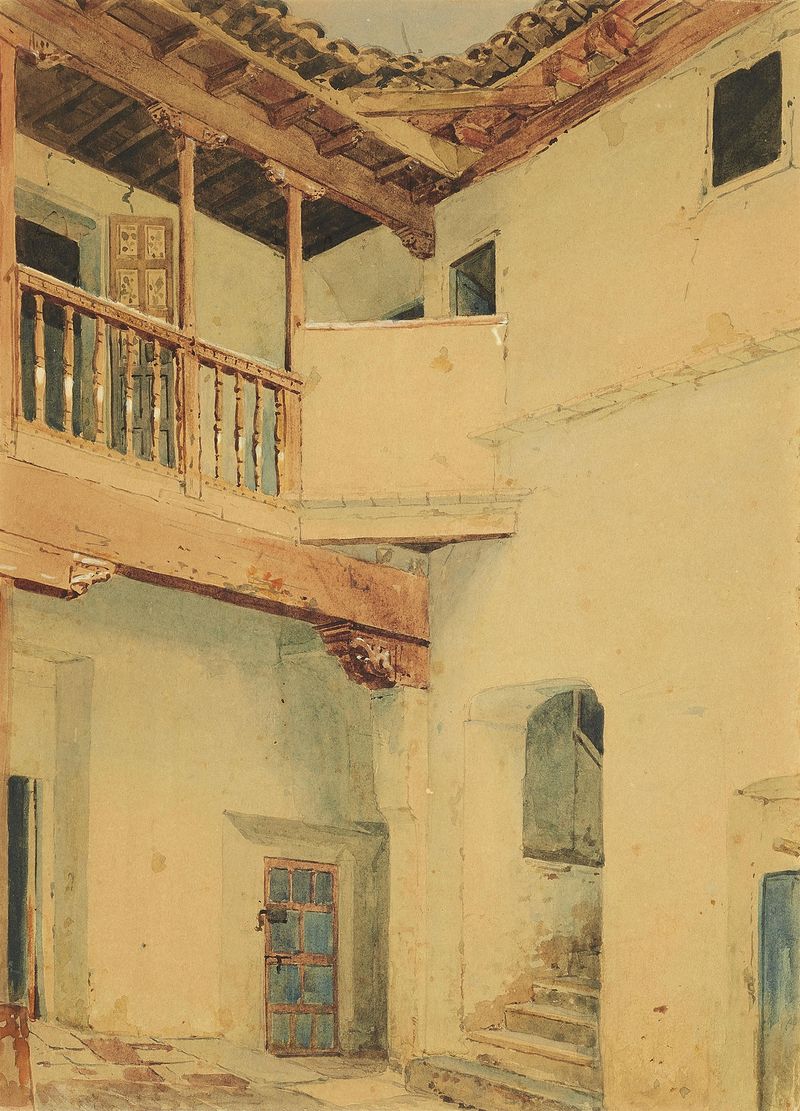
Where does light end, and longing begin? In the interplay of shadow and illumination, we find the essence of truth captured in a moment of quiet contemplation. Look to the upper left, where delicate strokes of golden light paint the edges of a solitary figure amidst a darkened background. The contrast between light and shadow draws the eye, leading us through a labyrinth of muted colors that pulse with life. Notice how the brushwork conveys emotion, with each stroke revealing the tension and dynamism of the scene, inviting us to explore the depths of the night. The emotional weight of the composition lies in its subtle contrasts: the figure’s poised stillness juxtaposed against the chaotic shadows that swirl around him.
This tension hints at the turmoil of the human experience, suggesting that what lies beneath the surface may be more significant than what is readily visible. Each detail, from the folds of the garment to the play of highlights, serves as a reminder of the fragility of clarity and the yearning for understanding in a world veiled in darkness. Adolf Seel created this study in 1873, during a time when he was deeply engaged with the themes of light and shadow, influenced by both Romanticism and the evolving Realist movement. This period was marked by broad artistic experimentation across Europe, and Seel’s focus on emotive imagery reflects a personal quest for truth through the exploration of chiaroscuro.
His work sought to capture not just the visible, but also the intangible emotions that reside within each moment.