Studie van een rustende man — History & Facts
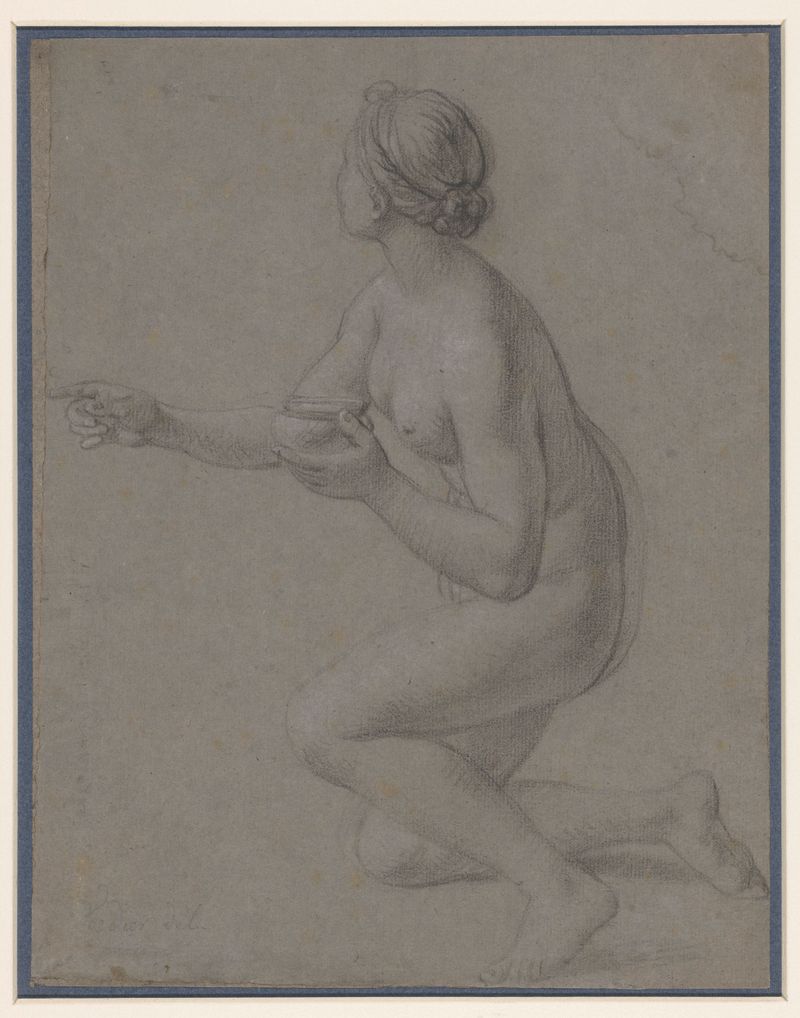
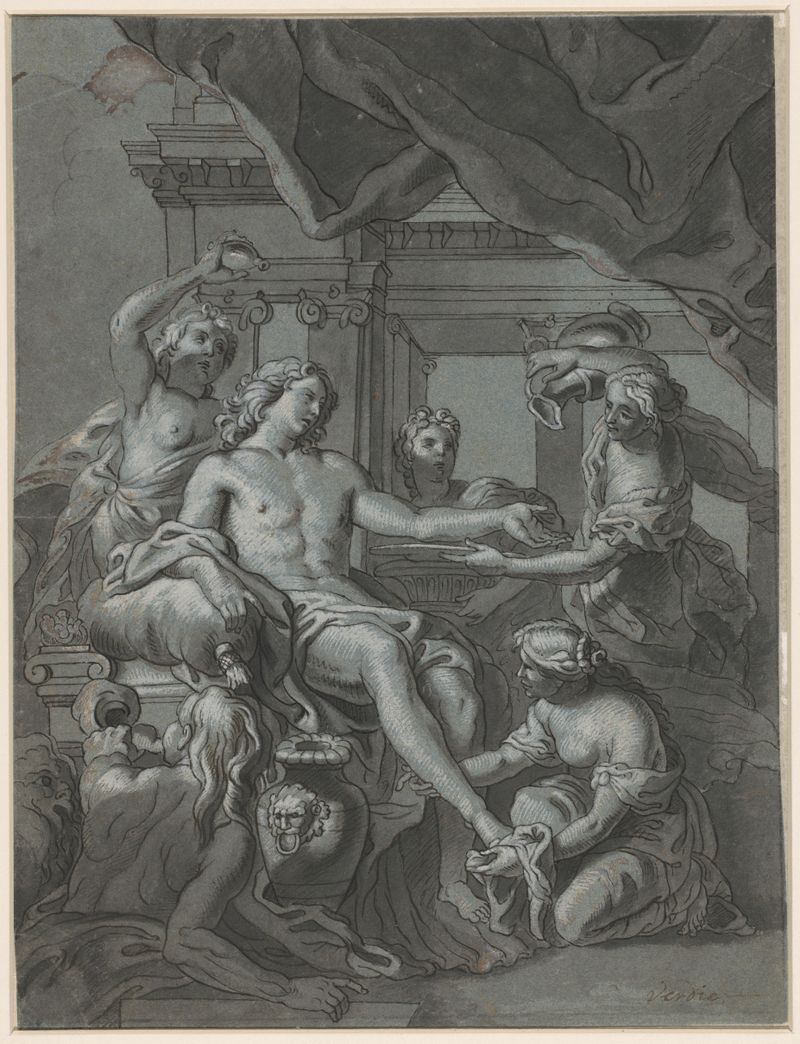
In the stillness of art, time collapses, revealing the illusions that bind us to our own mortality. Look closely at the figure in Studie van een rustende man, where the gentle play of shadows breathes life into his repose. Notice how the light caresses his cheek, accentuating the contours of his face while casting a soft glow on the fabric draping his form. The muted palette, dominated by earthy tones, creates a serene atmosphere that invites quiet reflection.
Every detail, from the slight curl of his fingers to the delicate fold of his garments, captures a moment suspended in time. Delve deeper into the subtleties—the way the figure’s half-closed eyes suggest an introspective gaze, hinting at dreams or memories that blur the line between reality and illusion. The contrast between the solidity of his presence and the ethereal quality of the light evokes a tension between the physical and the spiritual. This duality speaks to the viewer about the beauty of stillness, where moments of rest become a canvas for our own thoughts and emotions. Created during a period when François Verdier was establishing his voice within the Dutch Baroque tradition, this work dates back to the late 17th century.
At this time, he was influenced by the rich exploration of human emotion and realism in art, a response to a world undergoing profound changes. Verdier's focus on the quiet moments of life reveals his commitment to capturing the essence of humanity amidst the complexities of existence.