Venus naast haar wagen op de wolken gezeten — History & Facts
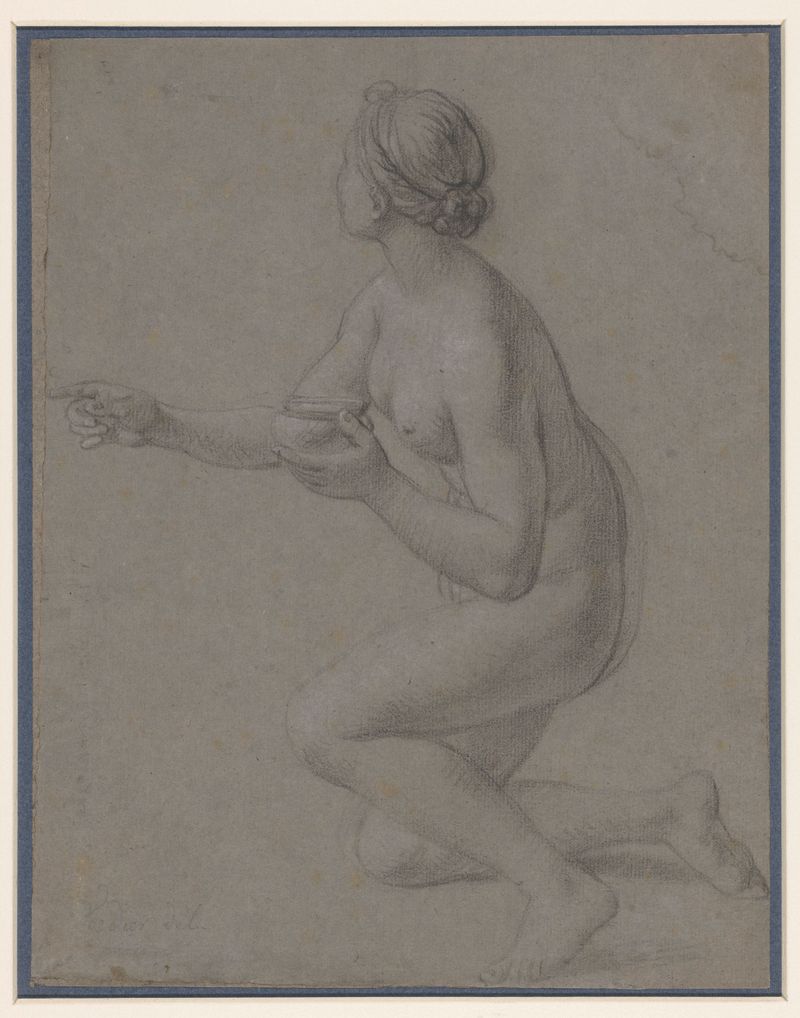
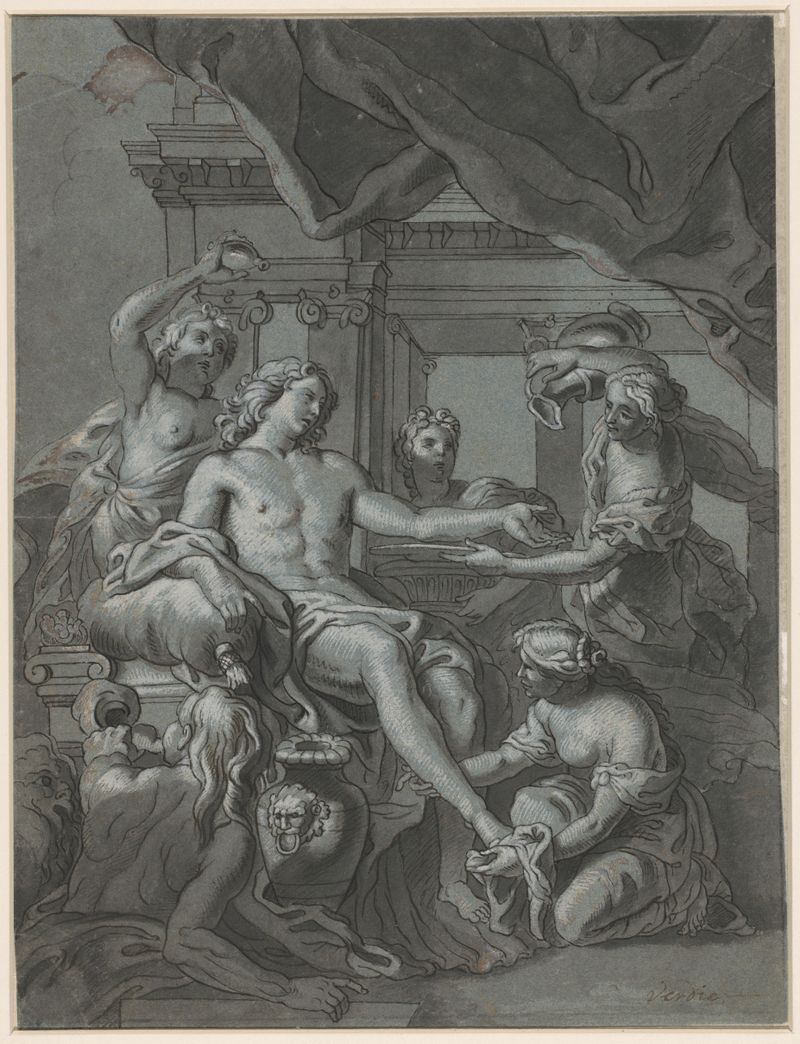
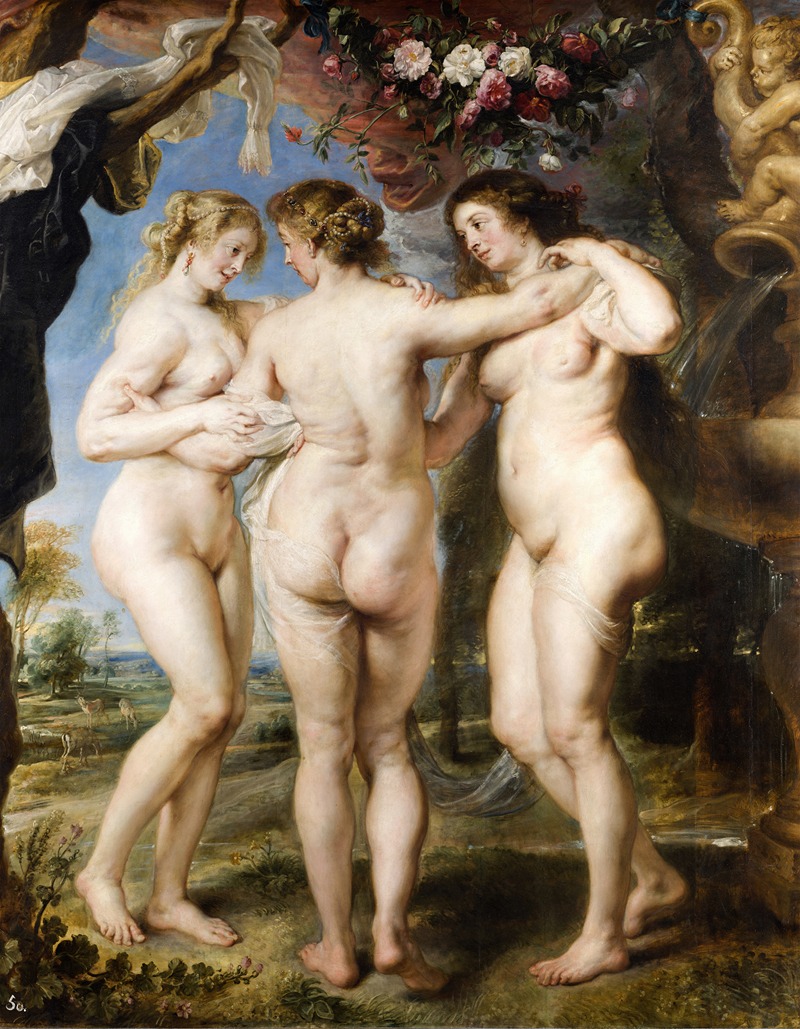
Can beauty exist without sorrow? In Venus naast haar wagen op de wolken gezeten, Verdier weaves together a tapestry of grace and melancholy that challenges our perceptions of love and loss. Look to the left where Venus reclines, her delicate figure bathed in soft, ethereal light. Notice how the gentle curvature of her body contrasts against the billowing clouds, which envelop her in a serene embrace. The palette of pastel blues and rosy hues creates a dreamy atmosphere, inviting the viewer to linger on the exquisite details of her flowing garments and the subtle play of light on her skin.
The opulence of her chariot, adorned with imagery of love, serves as a striking centerpiece, drawing the eye deeper into the composition. Beneath the surface, hidden tensions arise in the juxtaposition of beauty and transience. Venus, the embodiment of love, sits in the clouds, suggesting a fleeting moment of joy in the vast expanse of time. The gentle expressions of the accompanying figures hint at unspoken stories, perhaps of longing or the inevitable fading of youthful beauty.
Verdier encourages us to ponder the duality of existence, where love is intertwined with the knowledge of its ephemeral nature. The artist painted this work during a period of significant cultural transition in France, proposing a fresh interpretation of classical themes. Between 1661 and 1730, he navigated the shifting tides of the Baroque and Rococo styles, reflecting the grandeur and delicacy of his time. As he meticulously crafted this piece, Verdier found himself in a vibrant art scene, influenced by the rise of new ideas about beauty, legacy, and the human experience.