Het bad van de bruidegom — History & Facts
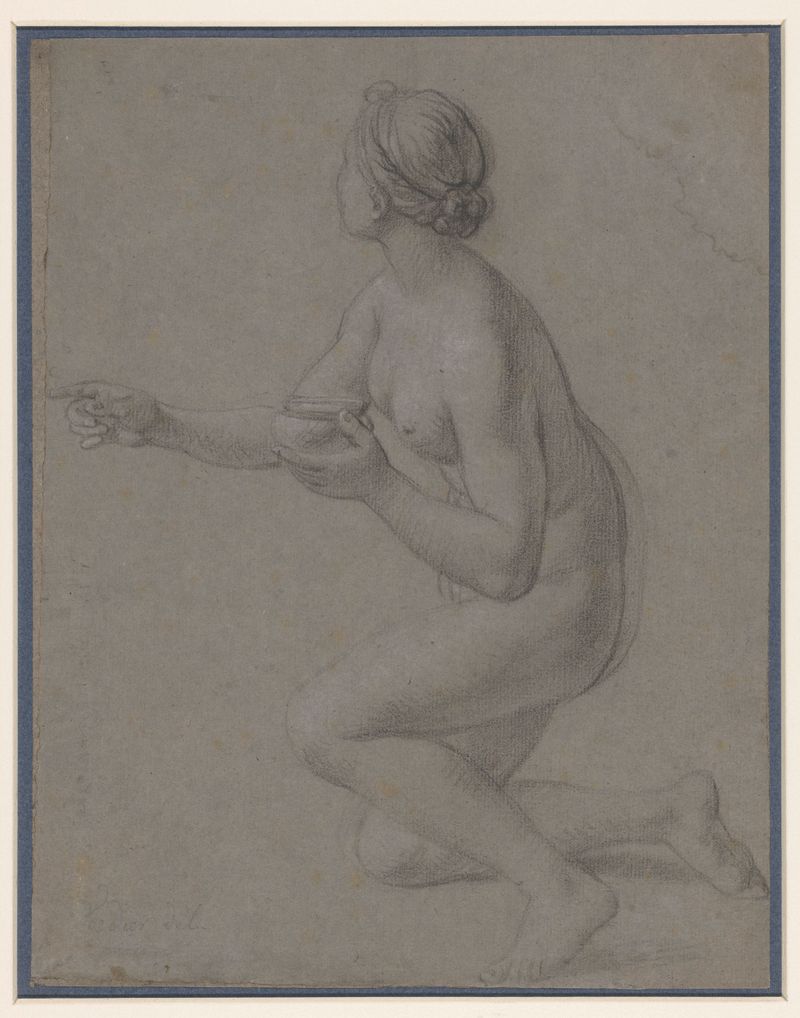
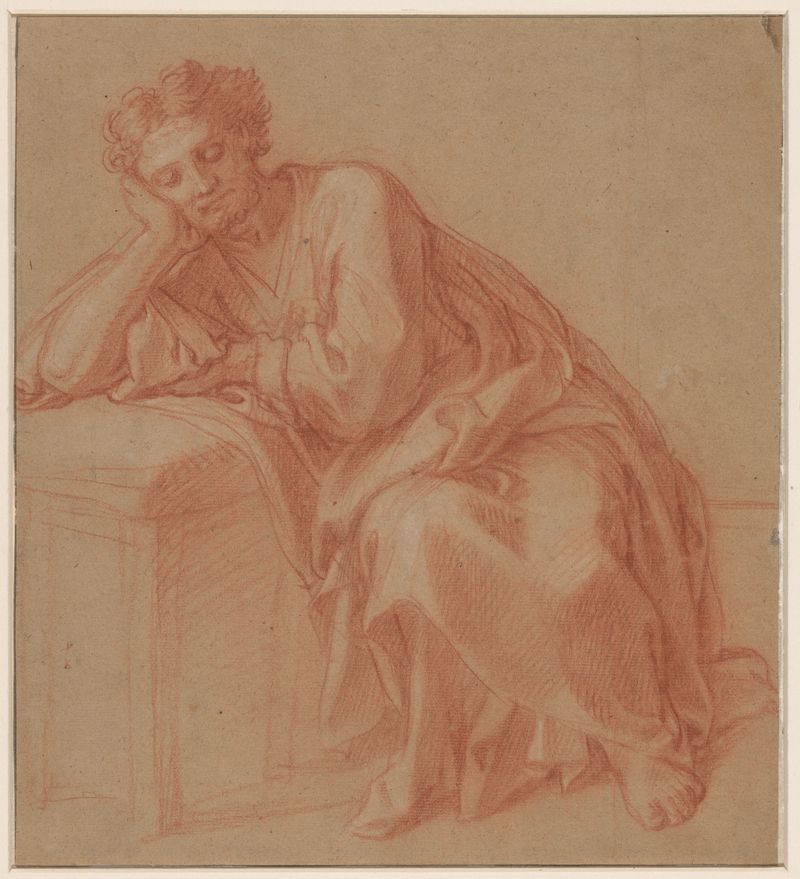
Did the painter know this moment would outlive them? In Het bad van de bruidegom, madness is cloaked in the guise of celebration, an intriguing paradox that invites contemplation. Focus on the figures gathered around the central scene, where the groom prepares for his wedding ritual. The artist employs a rich palette of warm and cool tones, juxtaposing the vibrant hues of joy against the muted shadows of uncertainty. Notice how the light bathes the groom's form, illuminating his yet undisclosed fate, while the softer shadows cradle the figures around him, suggesting moments of private reflection amidst the public revelry. Hidden within the grandeur of celebration lies an undercurrent of tension.
The groom's expression is a mix of anticipation and disquiet; his eyes reflect a soul caught between duty and desire. The surrounding guests, with their varied poses and expressions, reveal the complex layers of human emotion — from exuberance to apprehension, hinting at the madness that can lie beneath the surface of social expectation. Each detail, from the ornate fabrics to the delicate gestures, tells a story that transcends the immediate moment. François Verdier painted this work in the early 18th century, a time when Dutch art was transitioning into new artistic expressions.
Amidst personal and societal shifts, he captured this intimate scene, reflecting both the exuberance of life and the inevitable shadows that accompany it. Verdier's exploration of human experience during this period resonates deeply, reminding us of the fragile balance between joy and madness.