
Studies for Two Seated Putti. — History & Facts
In Studies for Two Seated Putti, two cherubic figures are depicted in a relaxed pose. Their soft, rounded forms are highlighted by a palette of pastel colors, primarily soft pinks and blues. The background is minimal, allowing the viewer to focus on the playful expressions and delicate features of the putti.
The overall composition conveys a sense of innocence and charm, typical of Rococo art. The drawing showcases Batoni's skill in rendering human figures with grace and fluidity. The use of soft lines and gentle shading creates a three-dimensional effect, enhancing the lifelike quality of the putti. The artist employs a delicate balance of light and shadow, which adds depth to the figures.
This work exemplifies the Rococo style's emphasis on elegance and decorative beauty. Pompeo Batoni was a prominent Italian painter of the 18th century, known for his portraits and mythological scenes. Studies for Two Seated Putti reflects his mastery in drawing and his ability to capture the playful essence of childhood. Interestingly, this work likely served as a preparatory study for a larger composition, illustrating Batoni's meticulous approach to his art.
His influence extended beyond Italy, impacting the development of Neoclassicism in Europe.
More Artworks by Pompeo Batoni
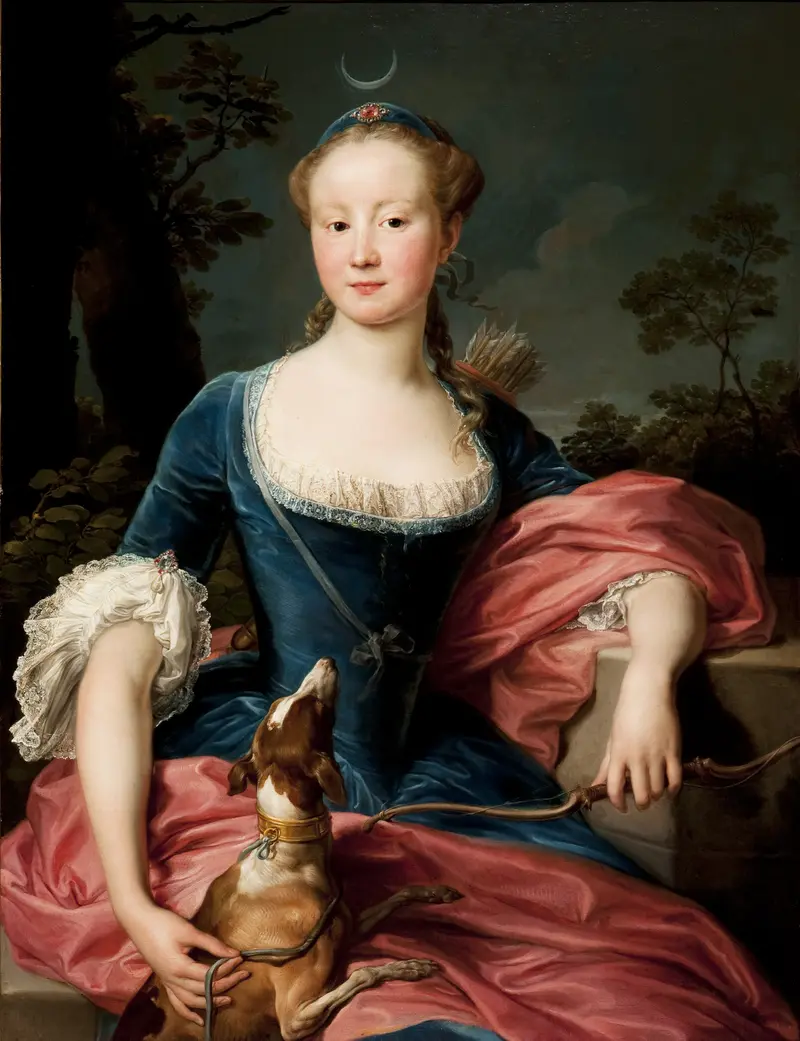
Portrait of a Lady as Diana the Huntress
Pompeo Batoni
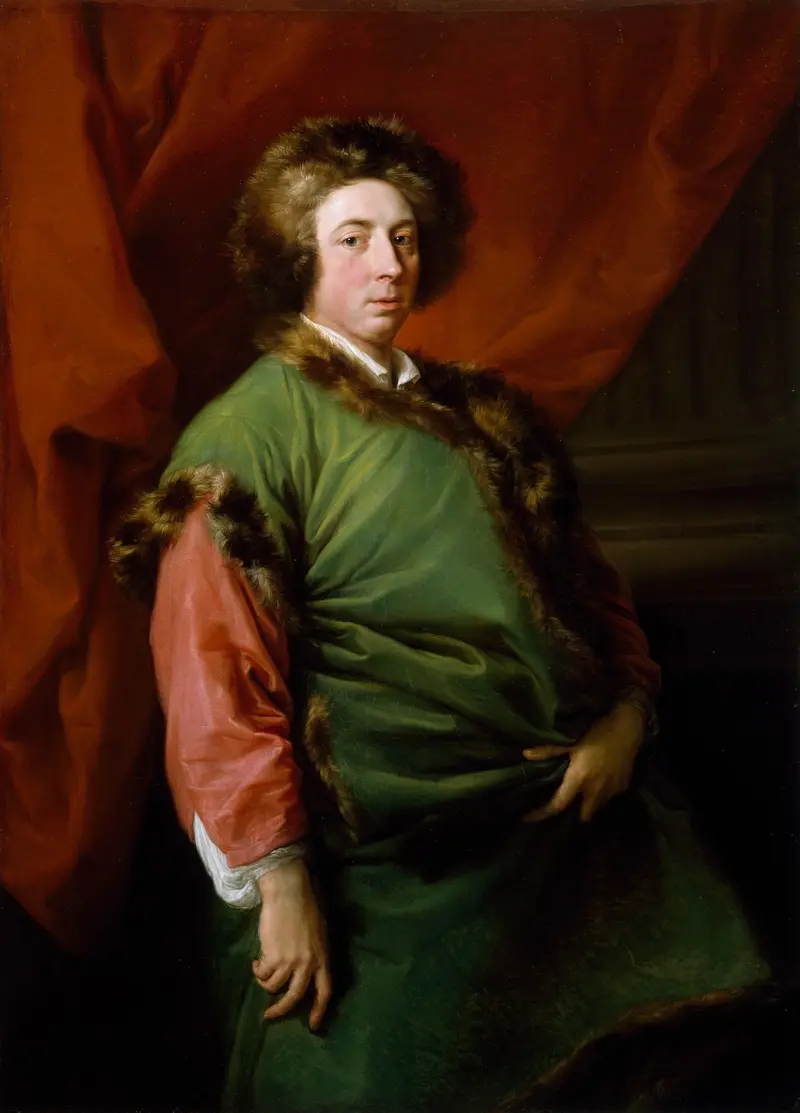
Portrait of Joseph Leeson, later 1st Earl of Milltown (1711-1783)
Pompeo Batoni
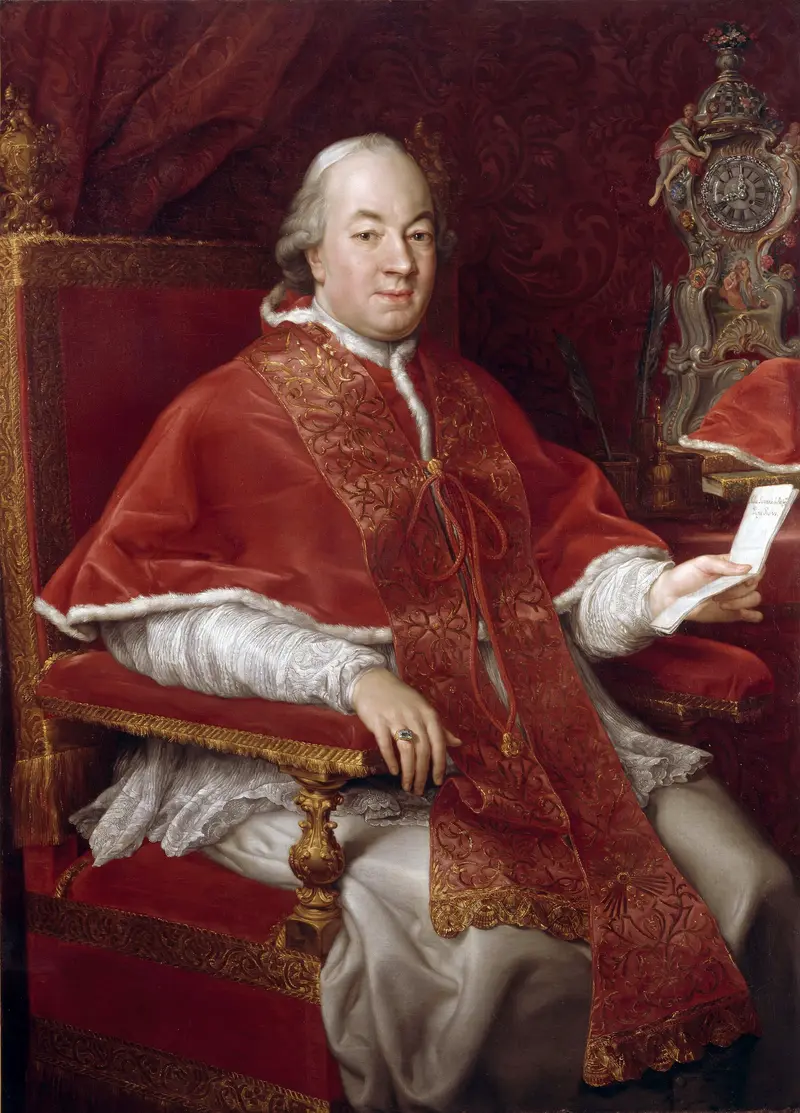
Portrait of Pope Pius VI, Giovanni Angelo Braschi (1717-1799)
Pompeo Batoni
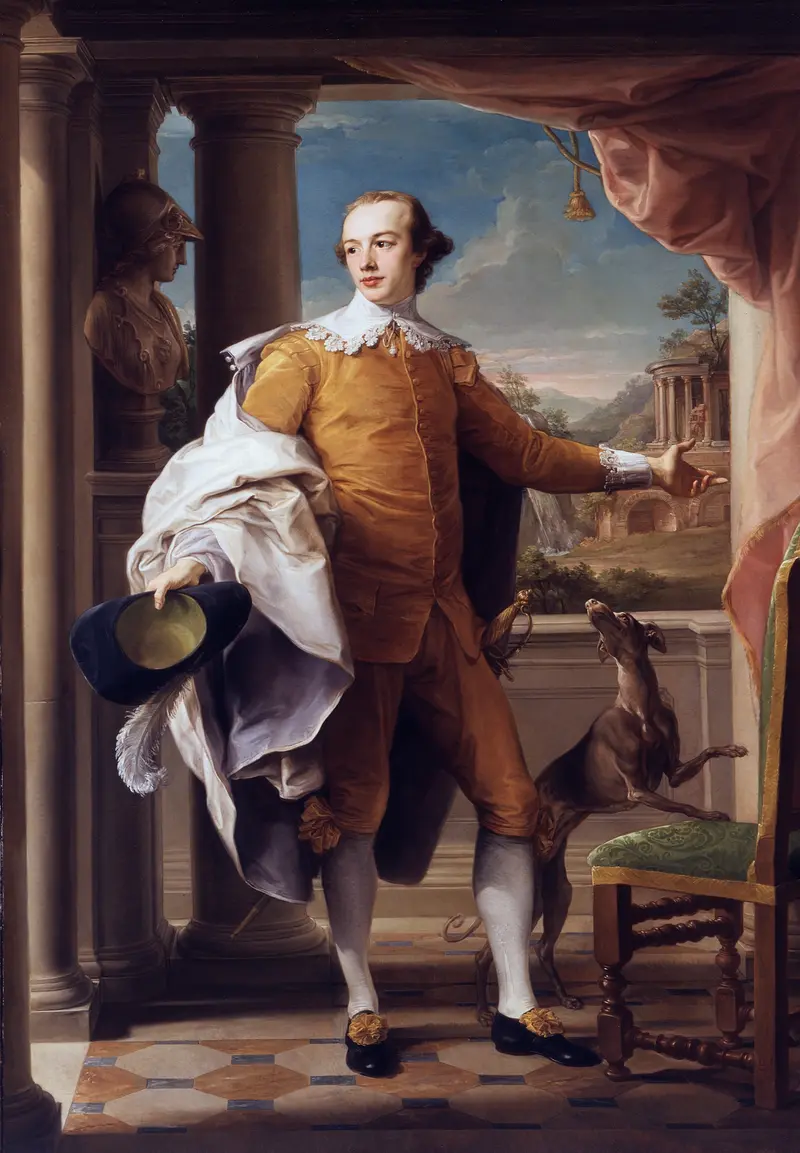
Portrait of Sir Wyndham Knatchbull-Wyndham
Pompeo Batoni
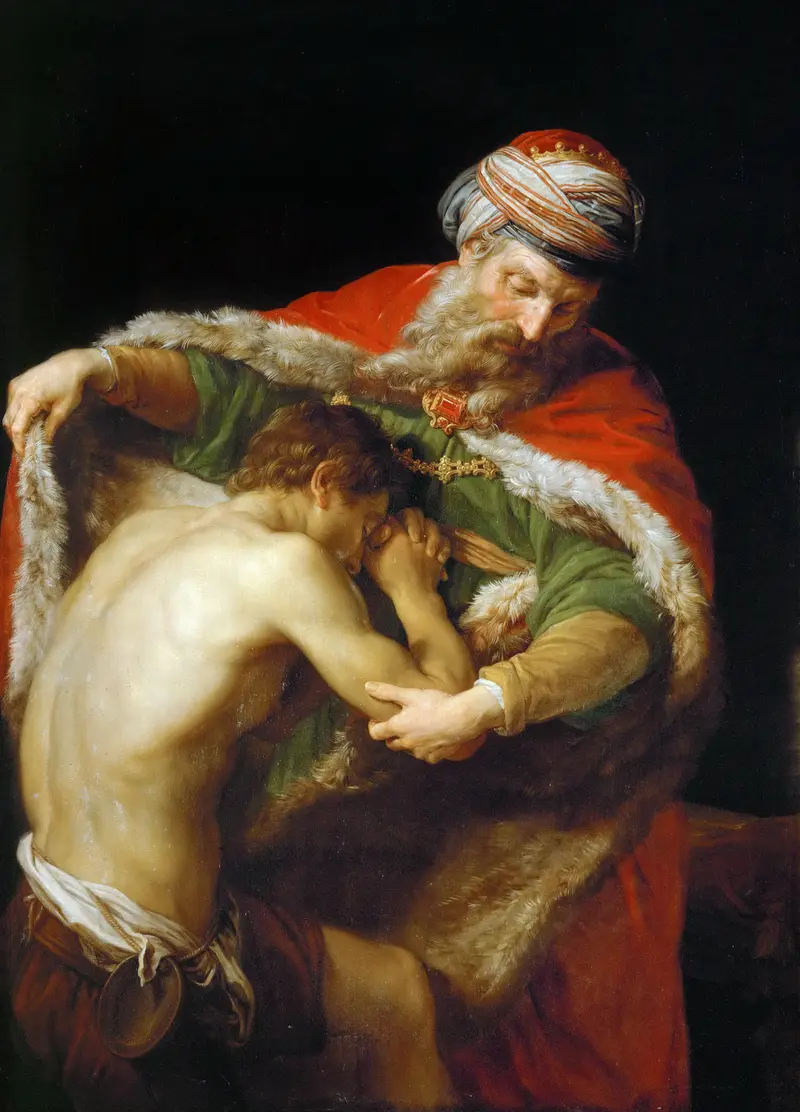
The Return Of The Prodigal Son
Pompeo Batoni
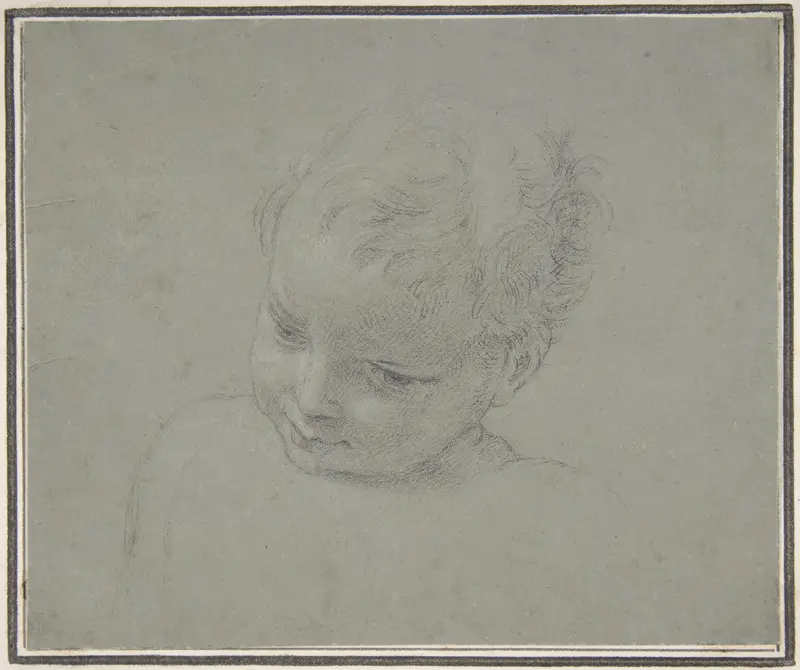
Bust-Length Study of a Child
Pompeo Batoni
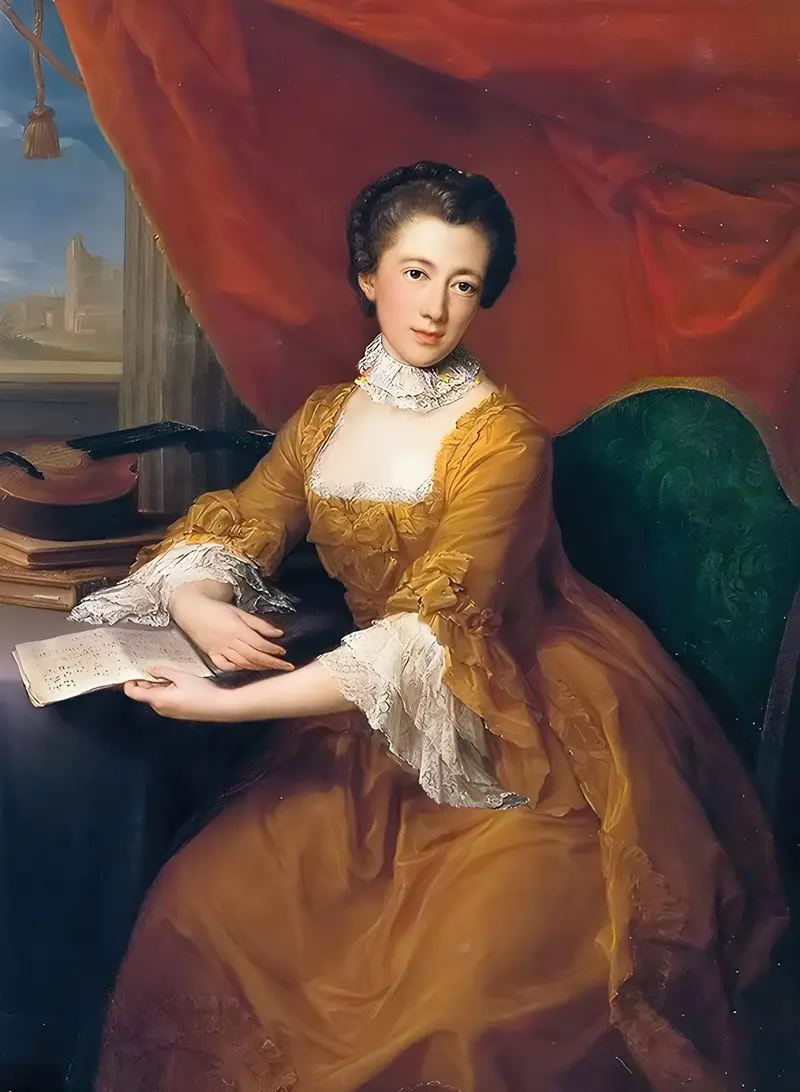
Portrait of Lady Margaret Georgiana Poyntz
Pompeo Batoni
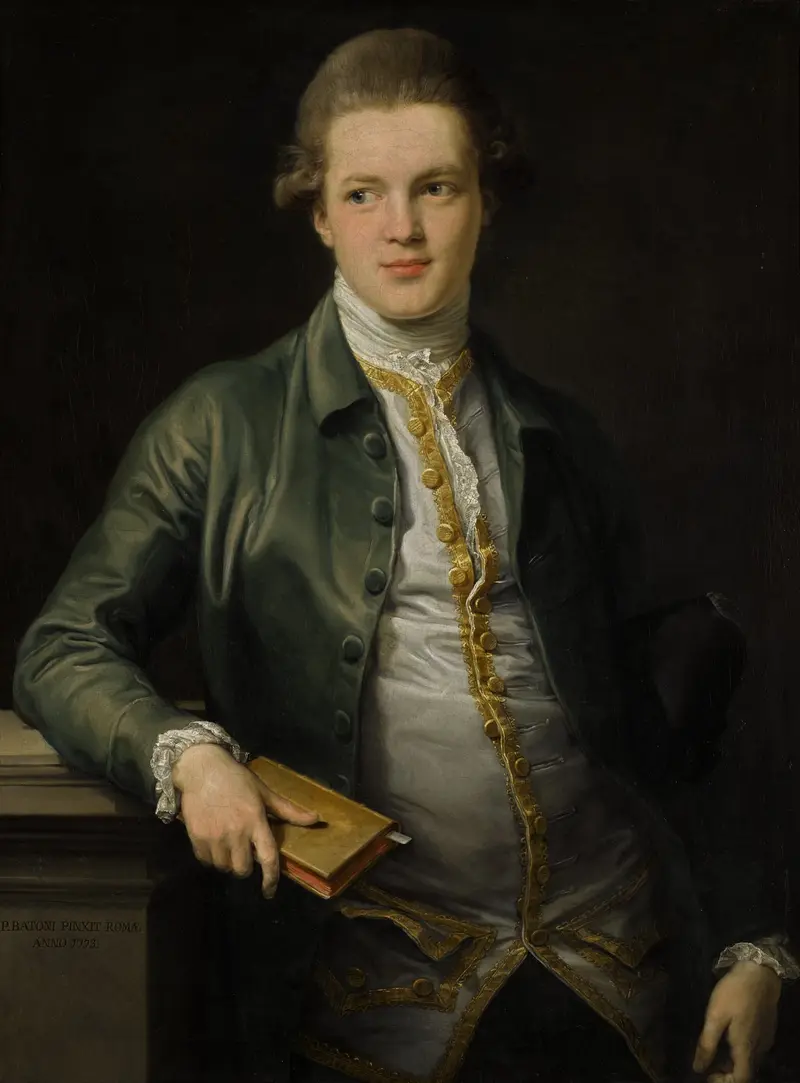
Portrait of Thomas Orde, later Orde-Powlett and 1st Baron Bolton
Pompeo Batoni

Male Nude Reclining on a Bed
Pompeo Batoni
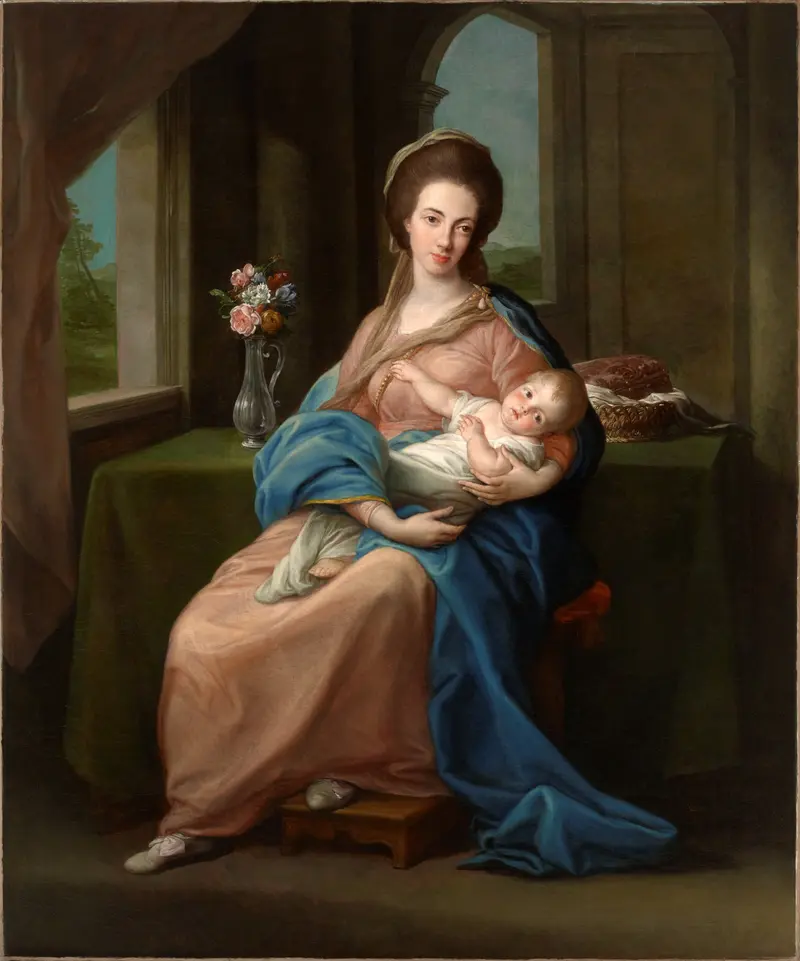
Mary Taylour, Viscountess of Headfort, later Countess of Bective and Marchioness of Headfort
Pompeo Batoni




