
Study for "Elsie Palmer" (1873-1955) — History & Facts
When did color learn to lie? In Study for "Elsie Palmer," a tension unfurls between the stillness of portraiture and the vibrancy of life captured on canvas. Look to the left at the gentle curve of the girl's face, where soft light dances across her cheek, hinting at the innocence and curiosity within. Notice how Sargent employs a lush palette of greens and muted tones to envelop her figure, allowing her warm complexion to radiate amidst the cool shadows. The fluid brushwork suggests a moment of breath, as if the subject might step out of the frame at any given moment, embodying both youth and the transient nature of time. Delve deeper into the subtleties; the slight tilt of her head invites the viewer to engage, while the delicate rendering of fabric hints at a deeper narrative.
The contrast between the robust colors of her attire and the ethereal softness of her skin sets a stage for exploration of themes such as social expectation versus personal identity. Each brushstroke reveals the artist’s mastery in intertwining movement with stillness, creating a dialogue that resonates beyond the canvas. Created around 1889-1890, this study emerged during a pivotal period for Sargent, as he navigated the shifting tides of modern art and his own burgeoning reputation. Painting in Paris, he was influenced by the Impressionists, yet remained committed to the traditions of portraiture, capturing not just likeness but essence.
This work exemplifies Sargent's transition, embodying the tension between the artist’s meticulous technique and a desire to convey life’s fleeting moments.
More Artworks by John Singer Sargent
Browse all →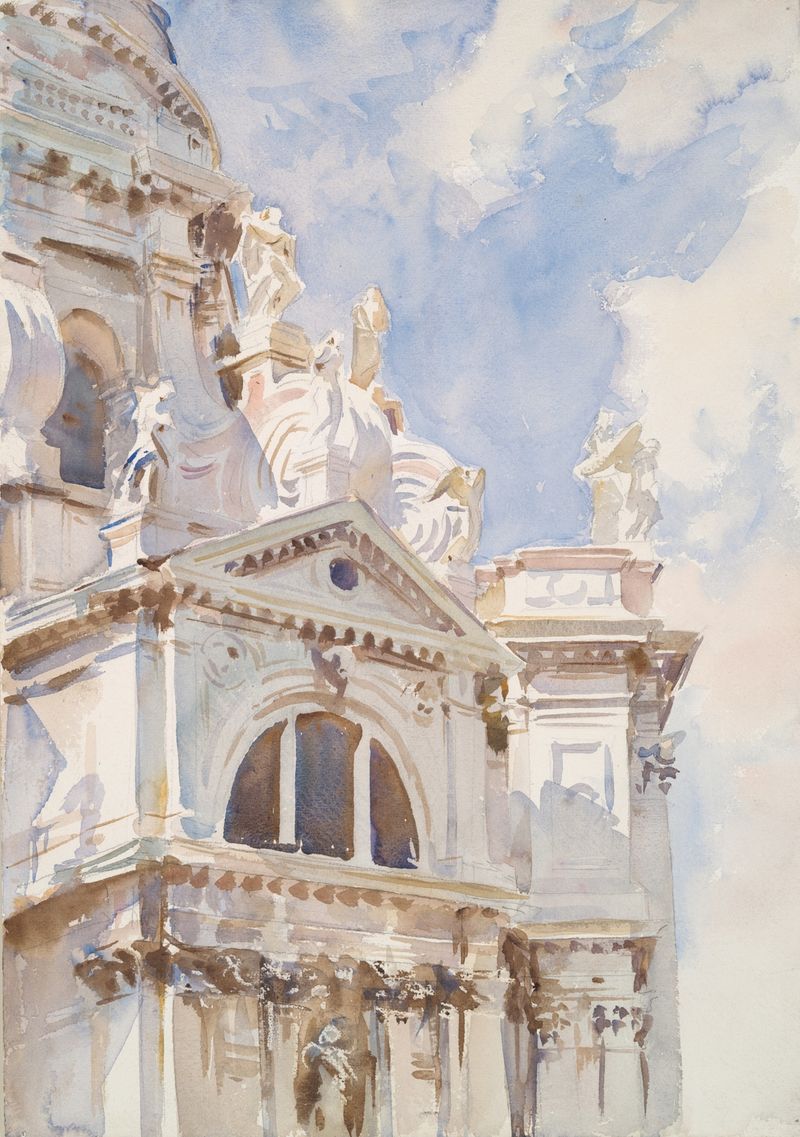
The Salute, Venice
John Singer Sargent

Mrs. Charles Deering (Marion Denison Whipple)
John Singer Sargent
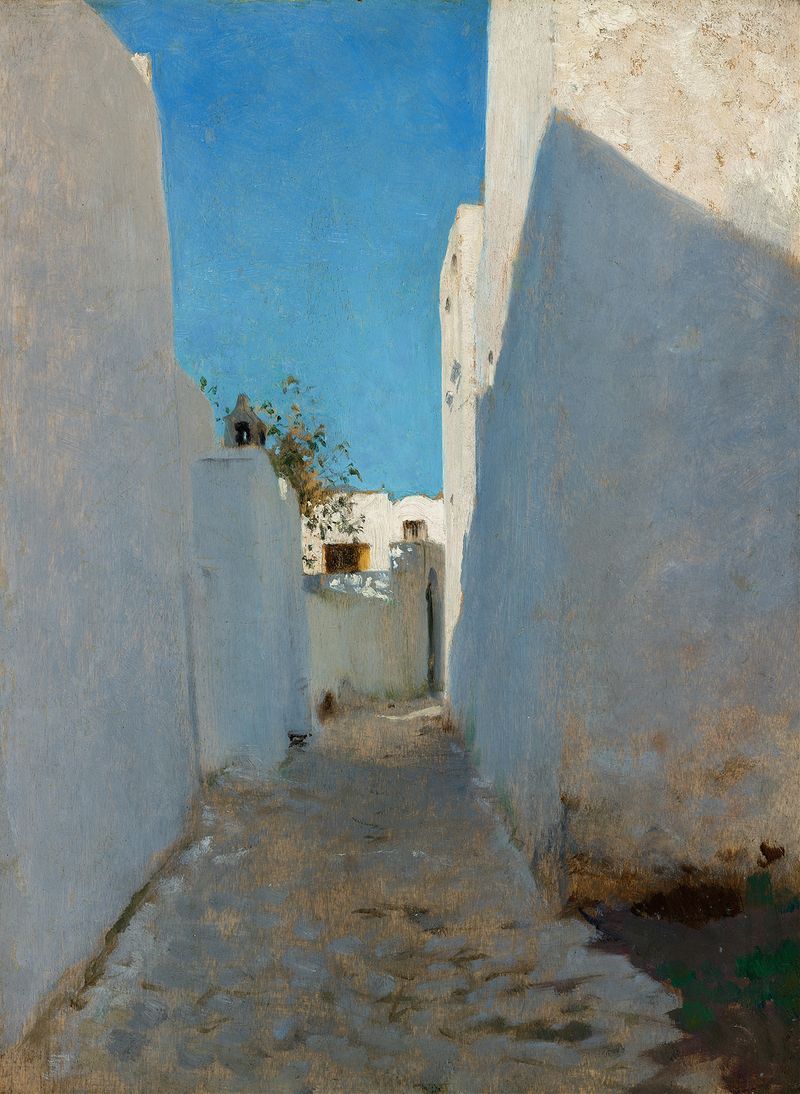
A Moroccan Street Scene
John Singer Sargent
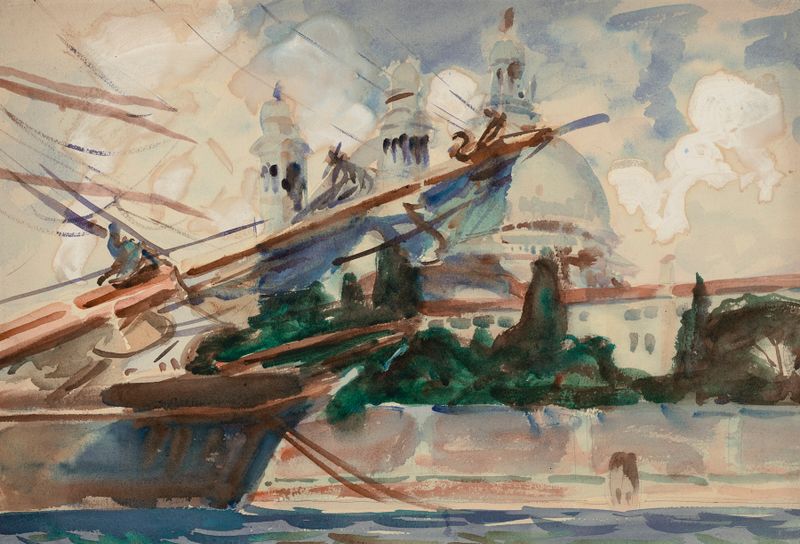
The Salute, Venice
John Singer Sargent
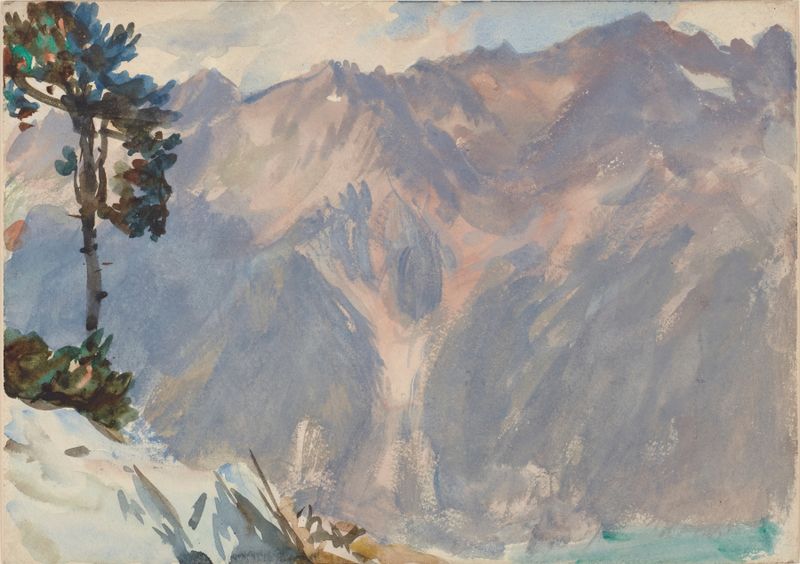
Tyrol
John Singer Sargent
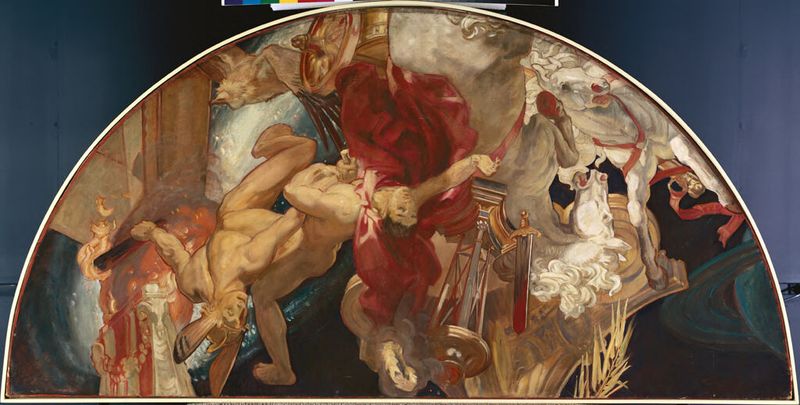
Study for "Gog and Magog," for the Boston Public Library
John Singer Sargent
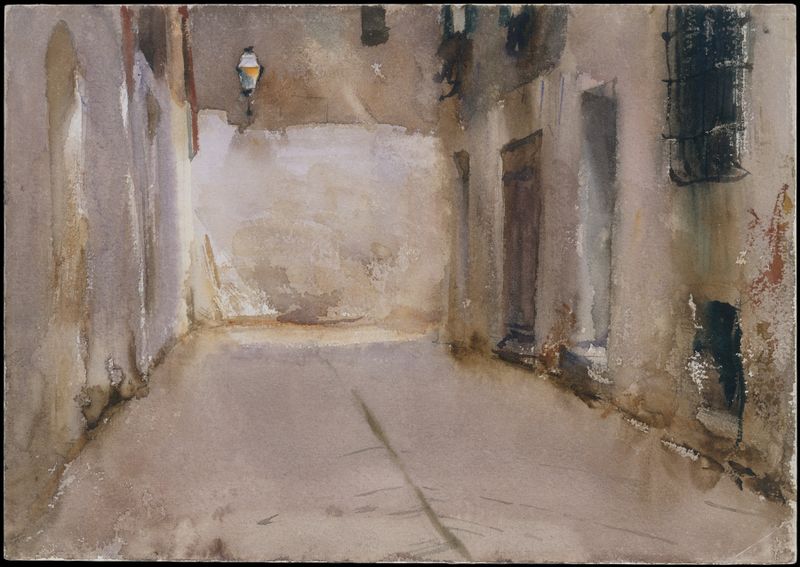
Venice
John Singer Sargent
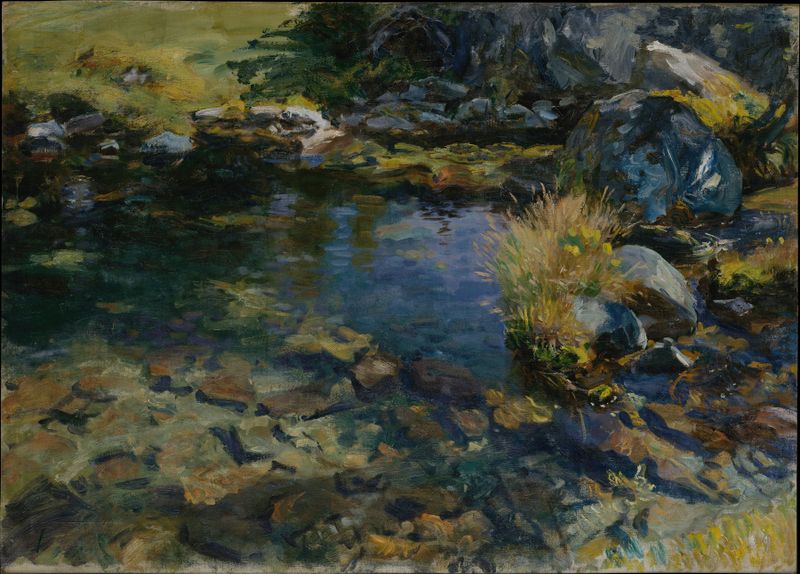
Alpine Pool
John Singer Sargent
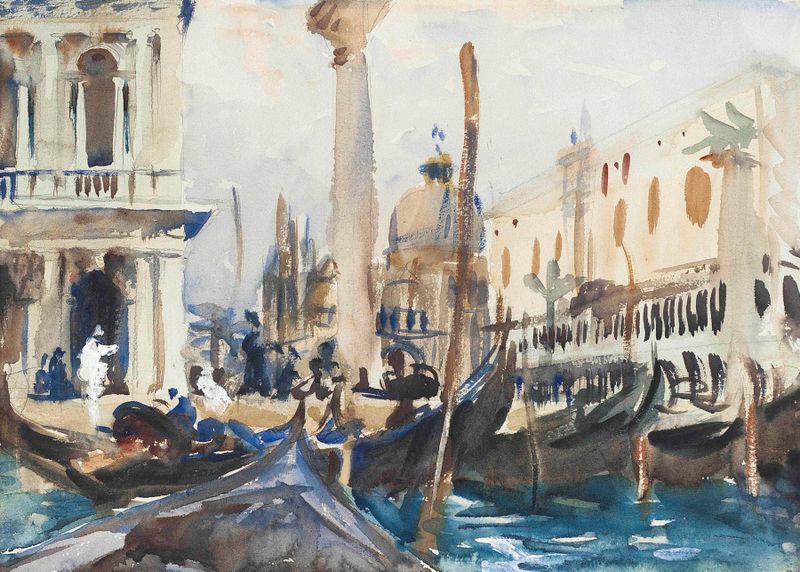
The Piazzetta with Gondolas
John Singer Sargent
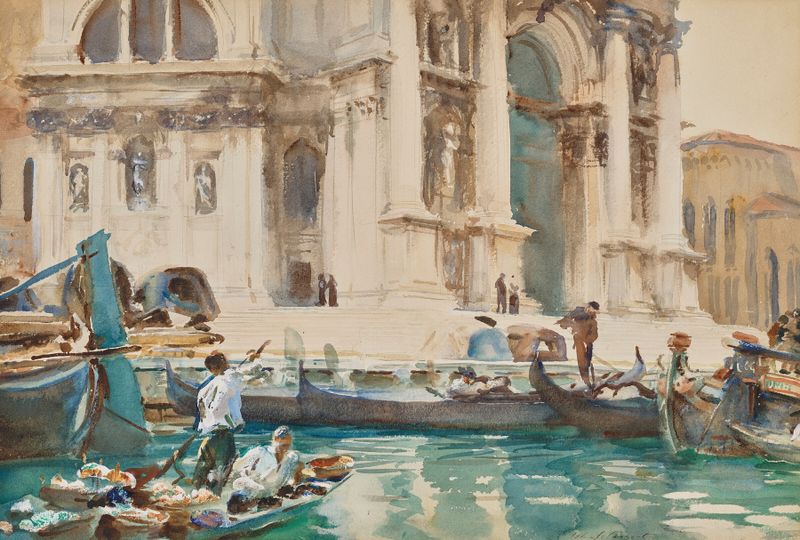
The Façade of La Salute, Venice
John Singer Sargent
More Portrait Art
Browse all →
Las meninas
Diego Velázquez

Self-portrait with a Bandaged Ear and Pipe
Unidentified artist

Girl with a Pearl Earring
Johannes Vermeer

The Sampling Officials of the Amsterdam Drapers’ Guild, Known as ‘The Syndics’
Rembrandt van Rijn

The Hundred Guilder Print: the man seen on the back in the lower left corner
Rembrandt van Rijn

Portrait of Dr Gachet
Vincent van Gogh